
Rest, staying well hydrated, and appropriate medications can support your recovery from a cold. Certain additional remedies, including vitamin C, zinc, and probiotic drinks, may also help reduce symptoms sooner.
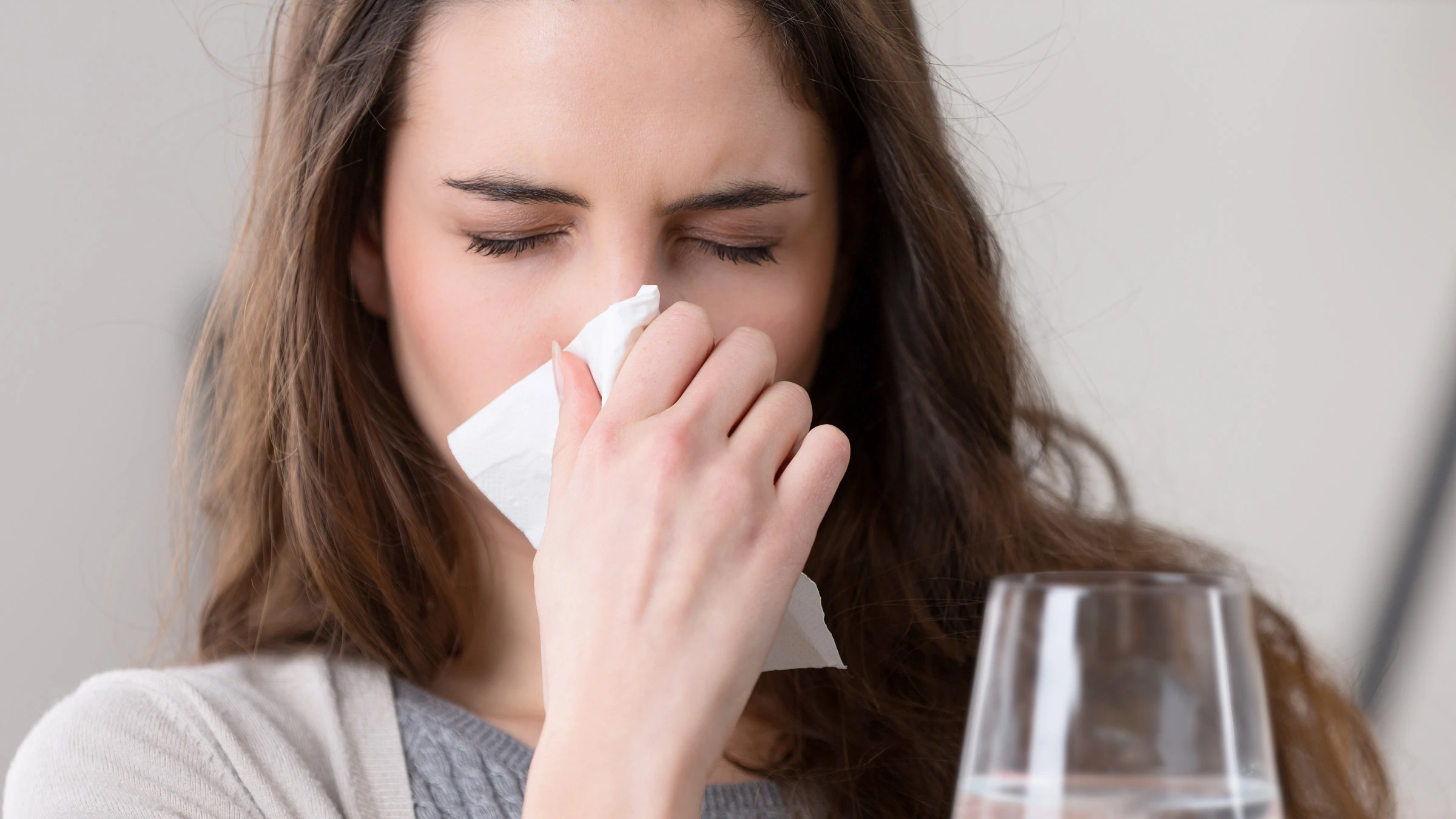
Although there is still no definitive cure for the common cold, you may be able to decrease the length and intensity of your illness by using evidence-based supplements and prioritizing proper self-care. Many readers researching No more colds device reviews and complaints are also looking for practical, medically sound strategies to strengthen immunity and recover faster from respiratory infections.
Below is a detailed list of remedies shown to influence how long colds last, along with guidance on safe and effective use.
1. Vitamin C
Using a vitamin C supplement probably won’t prevent you from catching a cold. However, studies indicate that it may shorten the duration of colds and lessen symptom severity.
The National Institutes of Health (NIH) explains that consistent intake of about 200 milligrams (mg) per day is necessary to see this benefit. Starting vitamin C after symptoms appear is unlikely to make a major difference.
Amounts at the upper limit (2000 mg) may cause side effects such as digestive upset, so higher doses carry potential risks.
You can also increase vitamin C intake naturally through fruits and vegetables like oranges, strawberries, kiwi, bell peppers, and broccoli, which support immune function as part of a balanced diet.
2. Zinc
Nearly 30 years of research examining zinc and the common cold has produced varied findings. A 2024 review suggests zinc supplements may have little or no role in preventing colds.
That said, zinc may help shorten the length of an existing cold when taken early. Lozenges are commonly started at the first sign of symptoms such as a scratchy throat or nasal congestion.
If you are taking antibiotics, penicillamine (Cuprimine) for arthritis, or certain diuretics, consult a doctor before using zinc. Combining them may reduce the effectiveness of either the medication or the zinc.
When exploring immune-support tools—whether supplements or devices often discussed in No more colds device reviews and complaints—it’s important to evaluate clinical evidence and speak with a healthcare professional.
3. Echinacea
A 2019 review found that echinacea may slightly lower your risk of developing a cold. This herbal supplement, derived from purple coneflower, is available in capsules, teas, and liquid extracts.
Some individuals report side effects such as nausea or diarrhea. It’s wise to talk with a doctor before using echinacea to ensure it does not interact with other medications or supplements you take.
The National Center for Complementary and Integrative Health (NCCIH) notes that echinacea’s immune effects may vary depending on naturally occurring bacteria within the plant, which can differ based on soil conditions and growing location.
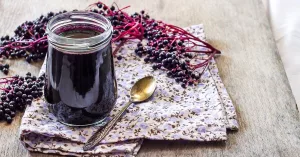
4. Black elderberry syrup
Black elderberry has long been used in traditional medicine to combat colds worldwide.
A 2021 review of research suggests elderberry supplementation may modestly reduce both the duration and severity of the common cold and influenza. However, researchers emphasize the need for higher-quality studies.
Only use prepared elderberry syrup that has been cooked and concentrated. Raw elderberries, seeds, and bark can be toxic and should not be consumed.
5. Beetroot juice
A 2019 study followed 76 students who were vulnerable to colds during a stressful exam period. Those who drank a small serving of beetroot juice seven times daily reported fewer cold symptoms compared with those who did not. Benefits were particularly noticeable among students with asthma.
Beetroot juice is rich in dietary nitrate, which boosts nitric oxide production in the body. Nitric oxide may help defend against respiratory infections by supporting blood flow and immune response.
If you are prone to kidney stones, use caution. Beetroot contains oxalates, which can contribute to kidney stone formation.
6. Meditation
The NCCIH indicates that lowering stress and supporting mental well-being through regular meditation may reduce susceptibility to colds and other respiratory infections.
Chronic stress can weaken immune defenses, making you more vulnerable to viral illnesses. Guided meditation apps or structured breathing exercises can help beginners establish a consistent routine.
7. Probiotics
Your gut microbiome plays a central role in immune regulation.
A 2021 placebo-controlled study showed that adults prone to colds who took a daily probiotic experienced fewer colds and recurrent infections over a three-year period.
Participants using probiotics also relied less on cold medications when ill.
Because probiotic strains vary by product, review labels carefully. Different strains may offer distinct immune-support benefits.
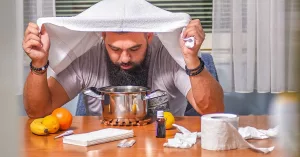
8. Nasal irrigation
According to the NCCIH, rinsing the nasal passages may ease common cold symptoms by clearing mucus and reducing congestion.
You can use devices such as:
- Neti Pot
- OTC saline nasal spray
- nebulizer
The Food and Drug Administration (FDA) has issued a warning against using tap water for nasal irrigation, as microorganisms can cause serious infection. Use only:
- distilled or sterile water
- tap water that has been boiled and cooled
- water filtered with a specific filter
Follow proper instructions to safely use a Neti Pot or other irrigation device.
9. Rest
A 2021 review of studies found that sleeping fewer than 7 to 9 hours per night may increase the likelihood of upper respiratory infections.
The Centers for Disease Control and Prevention advises getting additional rest when you have a cold to help your immune system function optimally.
Quality sleep supports antibody production and reduces inflammation, both essential for recovery.
10. Honey
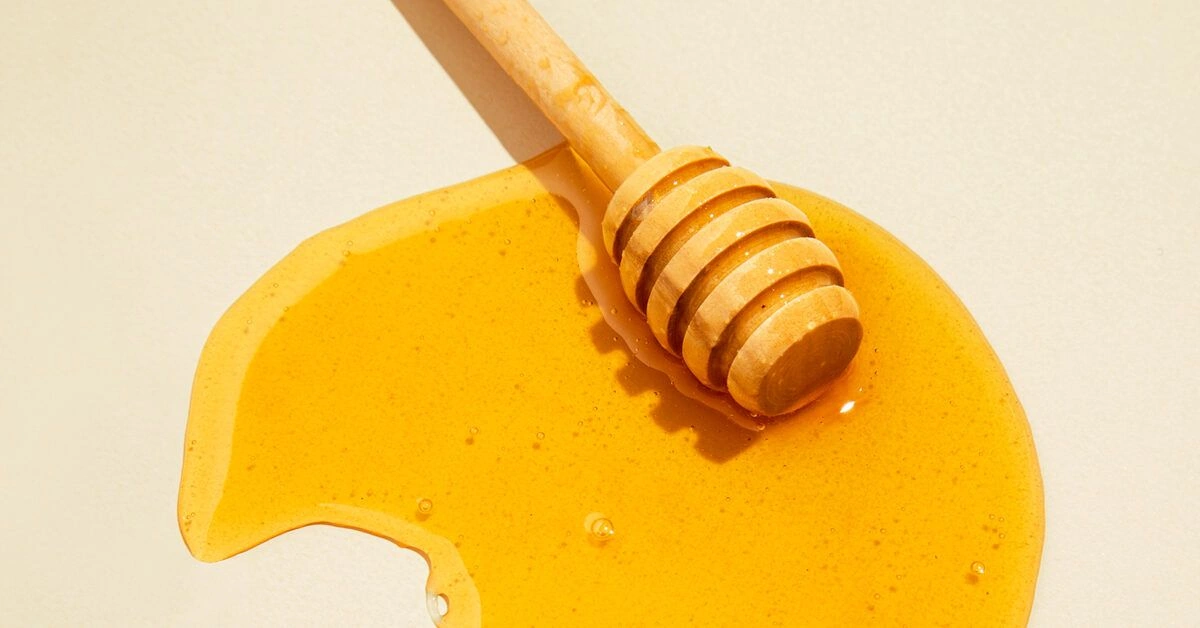
Honey contains antimicrobial compounds that may help enhance immune defense.
If nighttime coughing is interfering with sleep, honey may provide relief. A 2021 review of research found that a spoonful of honey before bed improved sleep in children by reducing nighttime cough. It can also soothe a sore throat.
11. Over-the-counter (OTC) medications
Cold symptoms such as coughing, sneezing, runny nose, congestion, sore throat, and headache can disrupt daily activities and sleep.
OTC medications may relieve discomfort and improve rest. Options include:

- decongestants
- pain relievers like ibuprofen (Advil) or acetaminophen (Tylenol)
- cough suppressants
- antihistamines
Always consult a pediatrician before giving a child any OTC medication.
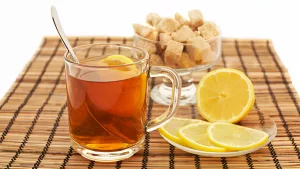
12. Lots of liquids
Staying hydrated is essential when recovering from a cold. Fluids help thin mucus, reduce chest and nasal congestion, and prevent dehydration.
Helpful options include:
- hot herbal tea
- water
- chicken soup
Healthcare professionals generally advise limiting caffeine and alcohol, as both can contribute to dehydration and disrupt sleep.
When to get help Colds usually cause mild symptoms in people with healthy immune systems, but they can resemble influenza, which may lead to complications. Some individuals develop secondary conditions such as ear infections or sinus infections. Seek medical care if: your symptoms persist longer than 10 days you have a fever over 101.3°F (38.5°C) you begin vomiting violently your sinuses ache your cough begins to sound like a wheeze you feel pain in your chest you have trouble breathing
Frequently asked questions
How can I get rid of a cold in 24 hours?
What are the 5 stages of cold?
- first 1-3 days, also called prodrome
- days 4-7, also called active or peak
- days 8-10, also called end or late
stage of the common cold
- first 1-3 days, also called prodrome
- days 4-7, also called active or peak
- days 8-10, also called end or late
stage of the common cold
What kills a cold the fastest?
The takeaway
At the earliest signs of a cold, most people hope to eliminate symptoms quickly and return to normal activities.
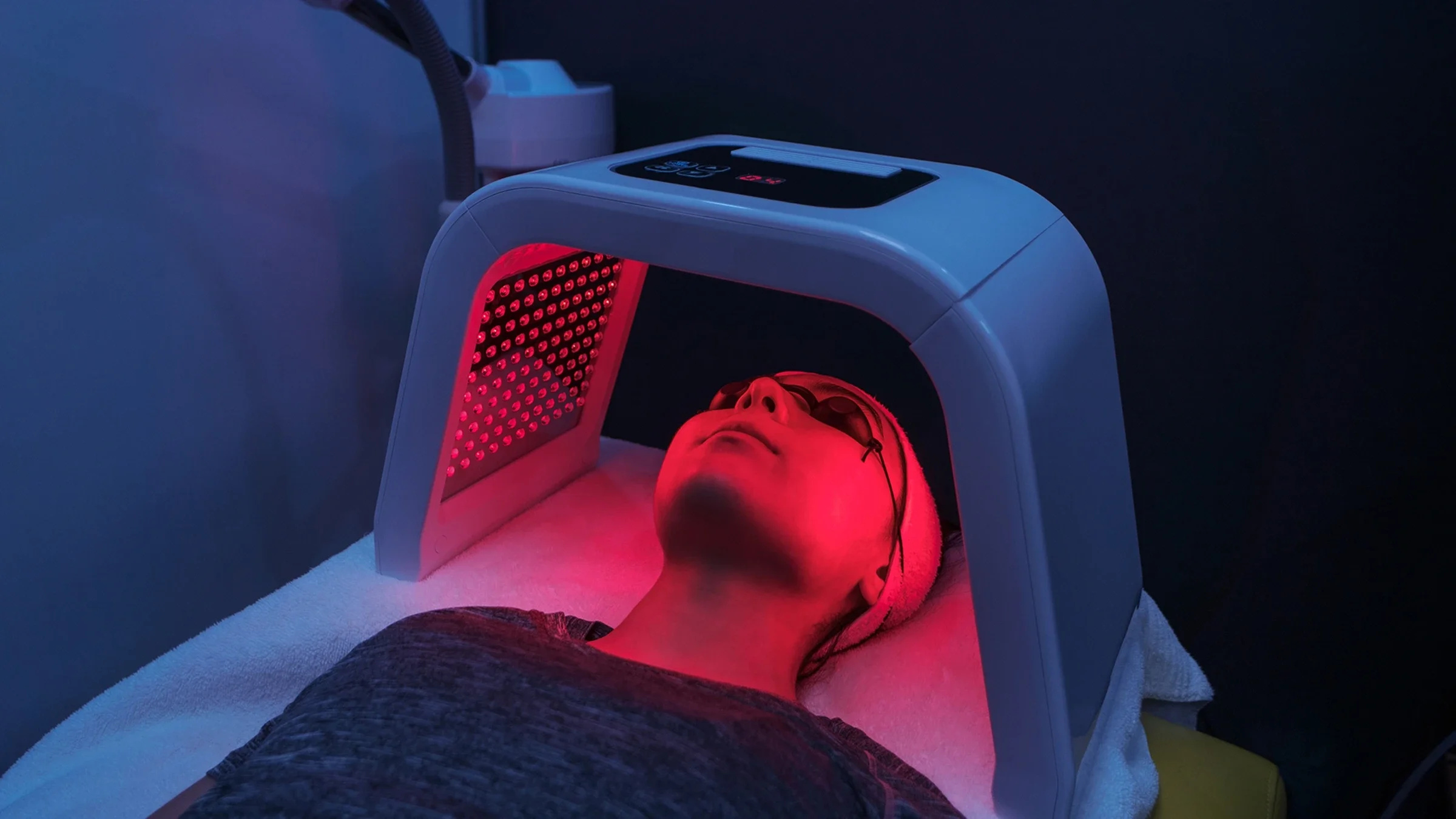
Regular vitamin C intake may help shorten symptom duration, and certain complementary remedies show limited supportive evidence. Some individuals also explore emerging technologies discussed in No more colds red light therapy reviews or product availability through No more Colds Red Light Therapy Amazon, but lifestyle measures remain foundational.
Ultimately, the most reliable approach to recovering faster includes adequate rest, generous fluid intake, symptom relief with OTC medications, stress management, and immune-supportive habits. These strategies provide a balanced, evidence-informed plan for managing the common cold.
















Leave a Reply
You must be logged in to post a comment.