
Key takeaways
- Although genetics largely dictate facial hair potential, maintaining a healthy lifestyle with a balanced diet and adequate sleep can create a better environment for hair growth.
- Many products marketed to boost beard growth lack solid scientific support, and may be ineffective or overpriced.
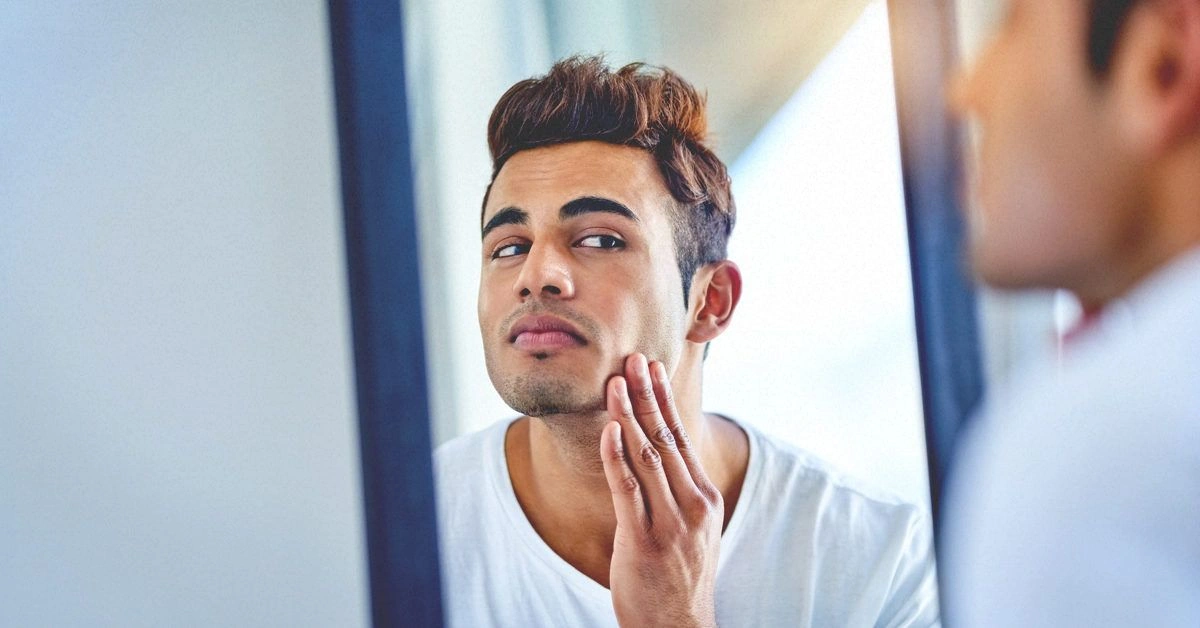
Genetics usually determine whether you can grow facial hair. Because you can’t alter your genetic makeup, it may be difficult to dramatically change how much beard or moustache you can cultivate.
That said, there are several general measures that might help. Read on to learn about steps that could encourage facial hair growth.
The use of binary terms such as “male” and “female” or “men” and “women” in this article mirrors the language of the studies cited. Unless specified, it’s unclear whether the referenced research included participants with broader gender identities.

Testosterone levels
Testosterone is a hormone that influences facial hair development. A 2018 study examining testosterone treatment in men with hypogonadism reported that testosterone therapy supported facial hair growth.
However, findings on the link between testosterone and facial hair are inconsistent. A 2021 study indicates that beard length was not associated with participants’ testosterone concentrations.
While additional research is needed, testosterone treatment for clinically low testosterone may stimulate beard growth in some individuals.
Low testosterone can also lead to other issues such as:
- erectile dysfunction
- infertility
- reduced muscle mass
- development of breast tissue
If your testosterone level is normal, medical testosterone therapy is unlikely to significantly boost facial hair growth.
Alopecia areata barbae
Alopecia areata barbae is a form of alopecia that targets the beard. Alopecia is an autoimmune disorder that causes hair to fall out.
Alopecia areata barbae leads to patchy hair loss. It can involve the:
- beard
- moustache
- sideburns
Alopecia areata barbae may be associated with Helicobacter pylori (H. pylori) infection and thyroid dysfunction. Unlike some other forms of alopecia, it does not seem to follow a clear hereditary pattern or run strongly in families.
Treatment options for alopecia areata barbae can include topical or oral therapies, for example:
- corticosteroids
- minoxidil
- anthralin
Consult your doctor for guidance on which treatments they suggest and the likely timeframe for seeing results.

Do beard-boosting supplements work?
Various companies market supplements and topical formulas claiming to thicken beards. Yet many of these products lack rigorous scientific validation.
Some evidence suggests vitamin D may aid the formation of hair follicles. B vitamins such as B12, biotin, and niacin can support overall hair health.
Nevertheless, it’s uncertain whether vitamin supplements specifically promote facial hair growth.
Talk with a physician before starting any supplements.
General tips for hair growth
Maintaining general hair health may help foster facial hair growth.
Nutritional shortfalls can contribute to hair thinning. Eating a varied, nutrient-rich diet may help manage hair loss.
Psychological stress can also play a role in hair loss. Although more evidence is needed, taking steps to reduce stress might help prevent facial hair loss. Ways to manage stress include:
- regular physical activity or exercise
- trying new hobbies or leisure pursuits
- allocating time each day to relax
- spending time outside
Ask a doctor for more details about general practices that may encourage hair growth.
The bottom line
Genetics primarily determine your capacity for facial hair. Still, certain habits may help it develop more effectively, such as eating a diet rich in various vitamins and managing stress.
If low testosterone is impacting hair growth and causing other symptoms, a physician may advise testosterone therapy.
If you experience alopecia areata barbae, which causes patchy facial hair loss, a doctor may recommend treatments like corticosteroids, minoxidil, or anthralin.
Consult a physician for tailored advice on encouraging beard growth or lowering the risk of facial hair loss.


















Leave a Reply
You must be logged in to post a comment.