

Although alcohol doesn’t directly cause rhinophyma, drinking can aggravate symptoms in people who have rosacea.
Rhinophyma — frequently called the “alcoholic nose” — is a visible change in nasal skin that many assume stems from alcohol misuse.
But is alcohol truly responsible for the thickening of nasal tissue? And what options exist to reverse or control this condition?
Read on to discover the actual contributors to rhinophyma and the steps you can take to stop further progression.

What leads to rhinophyma (the so-called “alcoholic nose”)?
Despite the nickname, rhinophyma is a manifestation of rosacea rather than a condition directly caused by heavy drinking.
There isn’t a single proven cause of rhinophyma. Instead, a combination of factors appears to play a role.
Rhinophyma represents a late-stage presentation of rosacea. People who develop it typically have had rosacea for a long time, and the skin on the face gradually becomes thicker, particularly around the nose.
Although it can affect anyone, rhinophyma is most often observed in white men, especially those older than 50. Some researchers suggest that male androgenic hormones may be a triggering factor.
Additional elements that may raise the likelihood of developing rhinophyma include:
- fair complexion
- heritage from regions such as Eastern Europe, Ireland, England, Scandinavia, or Scotland
- a family history of rosacea
Research has discredited a direct causal link between alcohol and rhinophyma. That said, alcohol can provoke flushing episodes in people with rosacea, so alcohol use is generally not advised for those with the condition.
Not everyone with rosacea and thickened skin will progress to rhinophyma. For those who do, chronic skin infections can be common because trapped skin fluids may provide a breeding ground for bacteria.
How does rhinophyma (or “alcoholic nose”) present?
When rhinophyma develops, the nose may look red, enlarged, and lumpy or bulbous. The change is typically most noticeable on the tip and lower portion of the nose, while the underlying bone and cartilage remain intact.
Management and treatment options for rhinophyma
Treating rhinophyma is often a two-pronged approach, tailored to the severity of the case.
If there is inflammation from a bacterial infection, oral antibiotics such as tetracycline can be prescribed to control the infection. Multiple strategies may be needed to address the thickened tissue itself.
Topical and medical treatments
Some patients might receive a low-dose course of isotretinoin (Accutane) to reduce enlarged sebaceous glands that contribute to skin thickening and symptoms. Topical retinoids may be useful if the condition is identified early.
Other topical options include metronidazole or azelaic acid. For more progressed cases, clinicians may suggest topical ivermectin, oral isotretinoin, or brimonidine.
People with rosacea should also be aware of triggers and consider guidance on lifestyle factors; for example, avoiding substances that exacerbate flushing. If alcohol is a trigger for you, reducing intake can help manage symptoms — and if neuropathy from alcohol is a concern, see guidance on alcoholic neuropathy.
Surgical and procedural treatments
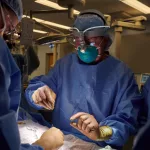
For advanced rhinophyma, the most reliable method to correct excess tissue is surgical removal. Techniques include ablative lasers or the use of electrical currents (diathermy) to excise surplus tissue.
Among these, carbon dioxide laser surgery is often preferred because it enables the most precise trimming of excess tissue. Many clinicians advocate combining methods — for instance, CO2 lasers together with dermabrasion — to more effectively remove damaged tissue.
During surgical procedures, care is taken to preserve cartilage while leaving enough skin to permit healthy healing with minimal scarring.
Other options that some surgeons use include dermabrasion and cryosurgery in combination with lasers or electrical treatments.
Learn more about additional rosacea treatment choices here.
Bottom line
Although colloquially labeled the “alcoholic nose,” rhinophyma is not caused by drinking alcohol. It is a progressive form of rosacea marked by overgrowth and swelling of nasal soft tissues.
The precise causes are not fully defined, but early recognition and treatment offer the best chance to control progression.
Combined approaches — surgical correction alongside topical or systemic therapies — are highly effective at restoring the nose’s appearance while protecting bone and cartilage structures.


















Leave a Reply
You must be logged in to post a comment.