

Hip pain is a broad term used to describe discomfort in or around the hip joint. Interestingly, the pain is not always felt directly over the hip. In many cases, it may radiate to the groin, buttocks, or thigh. Understanding What can cause hip pain in a woman is essential for identifying the source and choosing the most appropriate treatment.
Continue reading to explore What can cause hip pain in a woman, how healthcare providers diagnose the issue, and the available treatment options for both short-term and chronic hip conditions.
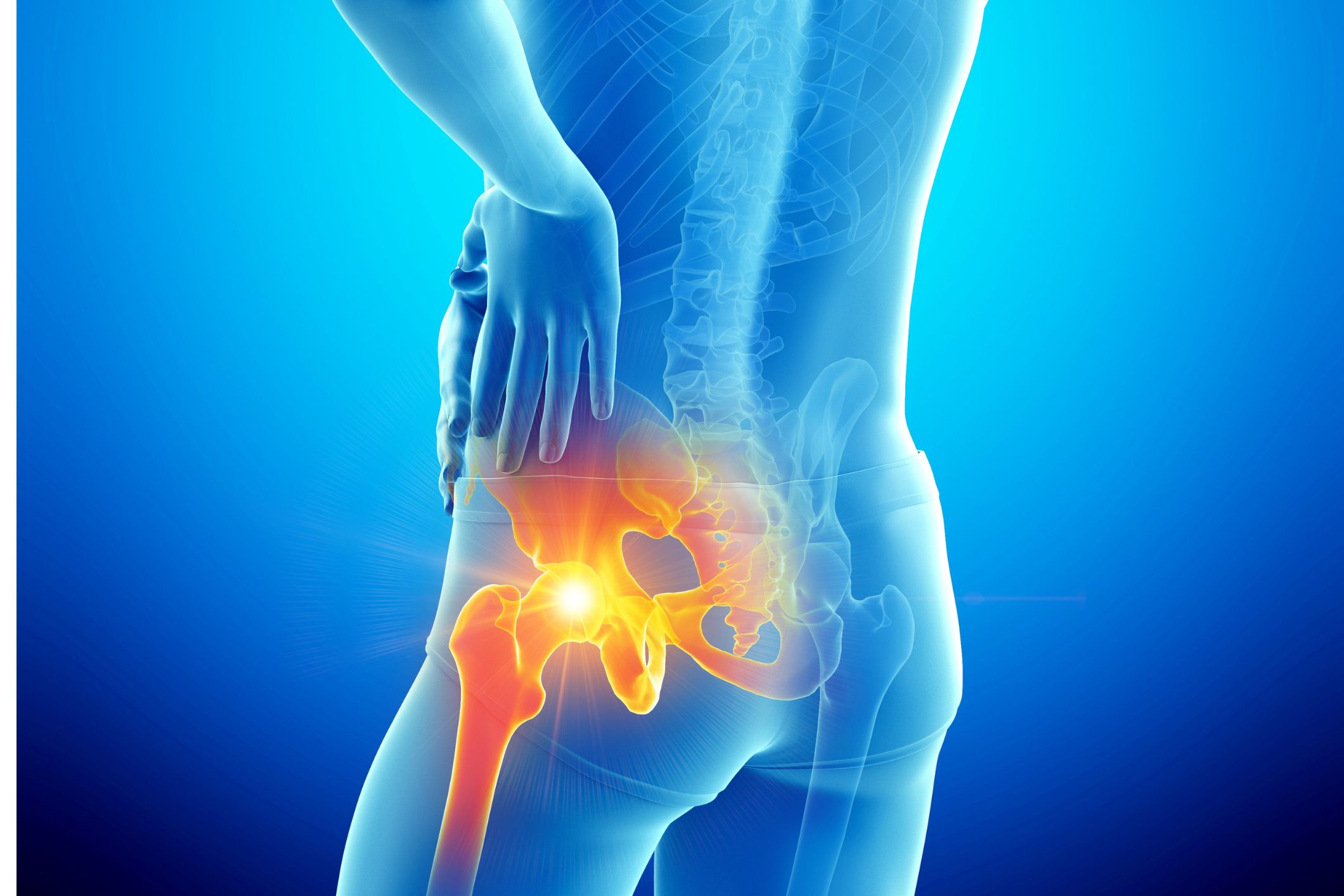
What causes hip pain?
A variety of injuries, medical conditions, and structural problems may be responsible when considering What can cause hip pain in a woman. Some causes are temporary and mild, while others may require ongoing medical care.
Inflamed tendons
One of the leading causes of sudden, acute hip discomfort is inflamed tendons, also known as tendonitis. This problem frequently develops from overuse, repetitive movement, or intense physical activity. Women who increase their exercise routines too quickly may notice this type of pain.
Tendonitis can be quite painful, particularly during movement, but it typically improves within several days with adequate rest, ice, and activity modification.
Arthritis
When evaluating What can cause hip pain in a woman, arthritis is one of the most common explanations for persistent or long-term discomfort. Arthritis leads to inflammation within the joint, resulting in pain, stiffness, tenderness, and difficulty walking or standing for long periods.
Several types of arthritis may affect the hip:
- Osteoarthritis (OA) develops from age-related breakdown of the cartilage that cushions the joints.
- Joint trauma, such as a fracture, may lead to traumatic arthritis similar to osteoarthritis.
- Infectious arthritis occurs when an infection invades the joint, causing cartilage damage.
- Rheumatoid arthritis (RA) results from the body’s immune system attacking the joints, which can eventually damage cartilage and bone.
Osteoarthritis is significantly more common than rheumatoid arthritis. Women, particularly after midlife, may notice increasing stiffness in the morning or discomfort after periods of inactivity. For a broader understanding of Hip pain location and causes, reviewing how symptoms vary by area can be helpful.
Trochanteric bursitis
Another possible answer to What can cause hip pain in a woman is trochanteric bursitis. This condition develops when the bursa—a small, fluid-filled sac that cushions the hip joint—becomes inflamed.
Trochanteric bursitis may result from a direct hip injury, repetitive joint overuse, prolonged pressure on one side of the body, or posture-related issues. It commonly produces pain on the outer part of the hip, which may worsen when lying on that side.

Certain inflammatory disorders, including RA, can also contribute to hip pain. This condition is much more common in women than in men, which partially explains why women may report hip-related symptoms more frequently.
Hip fractures
Hip fractures are more prevalent in older adults, particularly those with osteoporosis, a condition characterized by decreased bone density due to aging or other risk factors. For older women, osteoporosis significantly increases fracture risk.
A fractured hip typically causes sudden, intense pain and requires immediate medical evaluation. Potential complications include blood clots in the leg and decreased mobility.
Most hip fractures require surgical repair, followed by structured physical therapy to restore strength, balance, and walking ability.
Less common causes
Although less frequent, other disorders may explain What can cause hip pain in a woman. These include snapping hip syndrome and osteonecrosis, also called avascular necrosis.
Snapping hip syndrome
Snapping hip syndrome is often seen in dancers and athletes. It is marked by a snapping sensation or audible clicking in the hip during movement, such as walking or rising from a seated position.
In many instances, the snapping is painless. However, if discomfort is present, it may signal a cartilage tear or loose fragments within the joint. Persistent symptoms should be assessed to rule out structural damage.
Osteonecrosis
Osteonecrosis, or avascular necrosis, occurs when blood flow to the bone is temporarily or permanently disrupted. Without sufficient blood supply, the bone tissue can weaken and eventually collapse.
In early stages, the cartilage may remain intact. Over time, however, structural deterioration may lead to bone fractures or joint collapse. The exact cause is not always identifiable.
Risk factors include joint injury, prolonged use of steroid medications, heavy alcohol use, and cancer treatments. Still, in many individuals, no clear cause is found.
When should I seek emergency care?
If hip discomfort lasts more than a few days, schedule an appointment with your doctor. They can determine What can cause hip pain in a woman in your specific case and develop an individualized treatment plan.
Seek immediate medical care if the hip is bleeding, bone or muscle is visible, you hear a popping sound at the time of injury, or you cannot bear weight on the affected leg.
Urgent evaluation is also necessary if the joint appears deformed, significantly swollen, or extremely painful.
Prompt medical attention is essential if hip pain is accompanied by:
- swelling
- tenderness
- soreness
- warmth
- redness
These symptoms may indicate serious conditions such as septic arthritis, a joint infection. Without treatment, septic arthritis can result in joint deformity and osteoarthritis.
If you need help finding a primary care doctor, then check out our FindCare tool here.
How is hip pain diagnosed?
To determine What can cause hip pain in a woman, your doctor will begin with a thorough medical history and physical examination. If arthritis or another chronic condition is suspected, you may be asked questions such as:
- Is the pain worse at a particular time of day?
- Does it limit your ability to walk or perform daily activities?
- When did the symptoms first begin?
Your doctor may observe you walking to assess joint movement and alignment. They will compare range of motion in both hips to identify abnormalities.
If arthritis is suspected, laboratory and imaging studies may be ordered. Fluid testing can include blood, urine, and joint fluid analysis. Imaging tests may involve:
- X-rays
- CT scans
- MRI scans
- ultrasounds
These imaging techniques provide detailed views of bones, cartilage, and surrounding soft tissues, helping pinpoint the underlying cause. In some cases, understanding whether symptoms are one-sided can be useful, especially in situations like Pain in left hip area female.
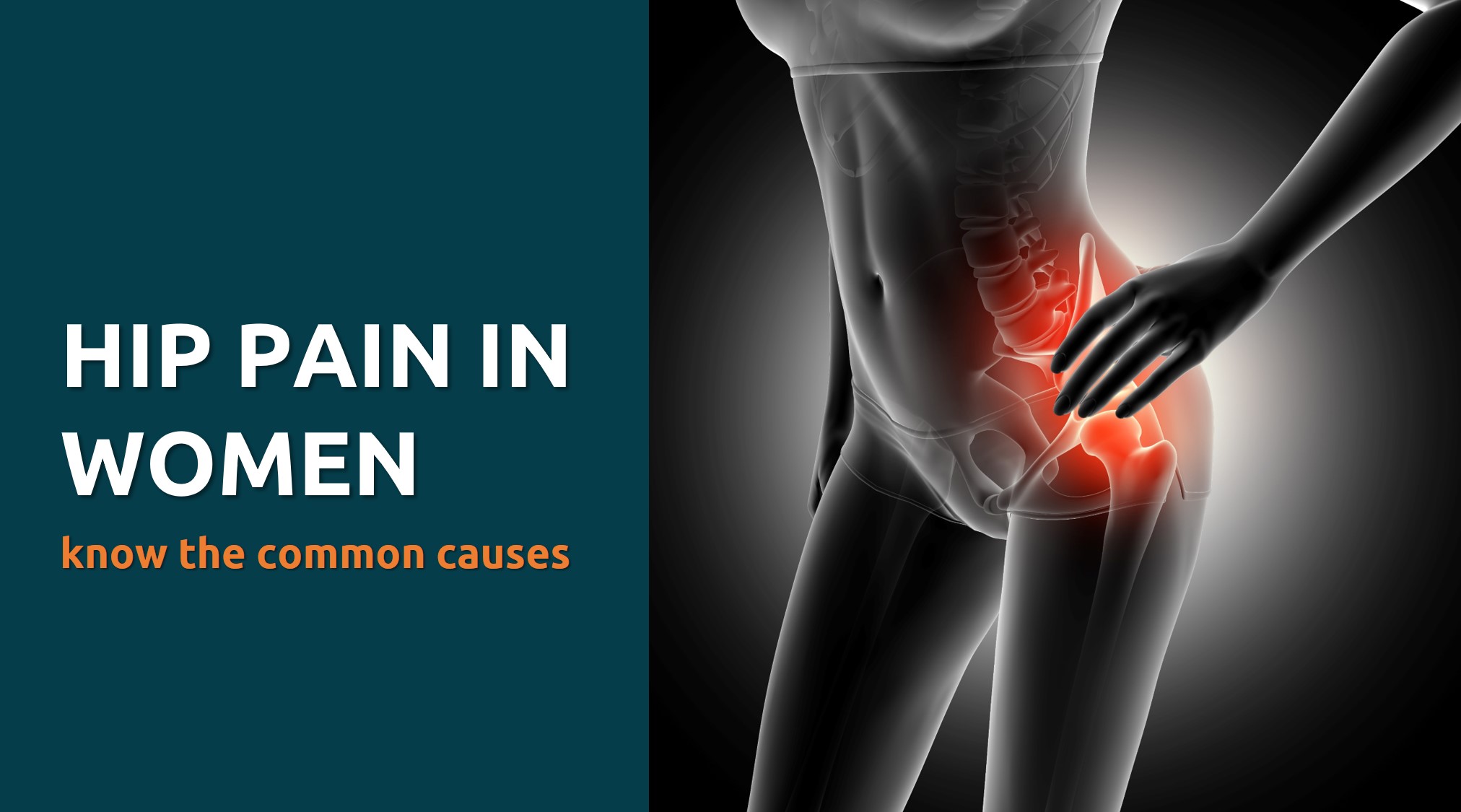
What are the treatment options for hip pain?
Treatment depends entirely on the underlying diagnosis. For mild, exercise-related discomfort, rest and temporary activity modification are often sufficient. Symptoms frequently resolve within a few days.
When arthritis is responsible, medications may be prescribed to reduce pain and stiffness. These may include anti-inflammatory drugs and other supportive therapies.
Your doctor might refer you to a specialist for further evaluation or to a physical therapist who can guide you through targeted exercises designed to maintain flexibility and strengthen supporting muscles.
For injuries, treatment commonly involves rest and medications such as naproxen (Aleve) to relieve inflammation and pain.
Hip fractures, structural abnormalities, and certain severe injuries may require surgery. In hip replacement surgery, a surgeon removes the damaged joint and replaces it with an artificial implant.
Following hip replacement, physical therapy is essential to regain mobility and adapt to the new joint. This procedure is widely performed and generally has high success rates in reducing chronic pain and improving function.
Alternative therapies
Some individuals explore complementary approaches for symptom relief. Always consult your doctor before beginning any alternative therapy.
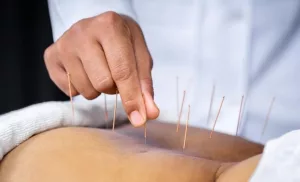
Options may include chiropractic adjustments or acupuncture, which involves inserting thin needles into specific areas of the body to stimulate healing. While some people report improvement, these therapies should be used alongside—not in place of—medical care.
What is the long-term outlook?
Once you understand What can cause hip pain in a woman and begin appropriate treatment, long-term management is often achievable.
Minor strains or overuse injuries may resolve completely without formal treatment. However, chronic conditions such as arthritis, fractures, or osteonecrosis typically require ongoing management.
Early diagnosis, consistent follow-up, lifestyle adjustments, and adherence to medical recommendations can significantly improve outcomes. Speak with your doctor to create a personalized treatment strategy that addresses both symptom relief and long-term joint health.


















Leave a Reply
You must be logged in to post a comment.