

Gene therapy is an innovative treatment option for individuals living with hemophilia B. It involves a single intravenous (IV) infusion designed to prompt your body to produce a protein essential for proper blood clotting.
Roughly 1 in 40,000 people are affected by hemophilia B. This condition results from low levels of a protein known as blood clotting factor IX. Factor IX is made in the liver and circulates in the bloodstream, becoming activated when a blood vessel is damaged.
Hemophilia B is sometimes referred to as Christmas disease, named after Stephen Christmas, the first individual in whom it was documented. It is a congenital disorder, meaning it is present from birth, and stems from a mutation in the F9 gene located on chromosome X.
As a groundbreaking approach, gene therapy for hemophilia B works by delivering genetic instructions into the bloodstream, enabling cells to manufacture blood clotting factor IX on their own. Many people researching advanced treatment options also want to understand financial considerations, including How much does gene therapy cost with insurance and what out-of-pocket expenses might look like.

Below, we explore how gene therapy functions, who qualifies, potential side effects, and a detailed look at pricing and insurance coverage.
The difference between hemophilia A and B
Hemophilia refers to a group of inherited bleeding disorders that impair the blood’s ability to clot effectively. Hemophilia B is the second most common form and is caused by insufficient production of clotting factor IX.
Hemophilia A, the more prevalent type, is due to a deficiency in blood clotting factor VIII. Although both conditions lead to prolonged bleeding, they involve different clotting factors and may have distinct treatment approaches.
What is gene therapy for hemophilia B?
The Food and Drug Administration (FDA) approved the first gene therapy for hemophilia B in November 2022. The therapy, Hemgenix, is the brand name for etranacogene dezaparvovec. At present, it remains the only FDA-approved gene therapy in the United States for adults with hemophilia B.
In June 2023, the FDA accepted Pfizer’s application for another investigational gene therapy, fidanacogene elaparvovec, which may become available in the future pending further review.
Hemgenix is a virus vector-based gene therapy. This method uses a modified virus shell to transport a functional gene into cells, compensating for a defective one.
With Hemgenix, the viral vector is infused into the bloodstream through an IV, allowing it to travel to liver cells responsible for producing blood clotting factor IX. Once inside these cells, the genetic material instructs them to generate factor IX more effectively.
Gene therapy has also been FDA approved for hemophilia A as of June 29, 2023, marking a significant milestone in the management of inherited bleeding disorders.
Who should have gene therapy for hemophilia B?
Eligibility for Hemgenix generally includes adults with hemophilia B who:
- have moderate or severe disease and currently use factor IX prophylactic therapy
- have experienced life-threatening bleeding episodes
- have recurrent spontaneous bleeding without a clear trigger
A comprehensive evaluation by a hematologist is essential. Your healthcare team will review liver function, previous treatments, and overall health to determine whether gene therapy is appropriate.
What’s it like to receive gene therapy for hemophilia B?
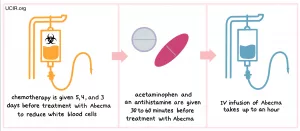
According to the Hemgenix website, treatment is delivered as a single IV infusion lasting approximately 1–2 hours. The infusion is administered at a specialized treatment center. As of August 2023, 10 centers in the United States are listed as authorized locations.
If travel is required, planning to remain in the treatment area for an additional 1–2 days after the infusion is often recommended for observation and follow-up.
Close monitoring is advised weekly during the first 3 months after treatment. Your doctor will typically assess liver enzymes and factor IX levels to ensure the therapy is working as intended and to identify any early complications.
Potential side effects
There is a small risk of an infusion reaction, potentially triggered by hypersensitivity or allergy to a component of the infusion. Although uncommon, such reactions can be serious. Medical staff will observe you during the infusion and for at least 3 hours afterward.
Side effects reported in more than 5% of participants in clinical trials included:
- elevated liver enzymes
- headache
- elevated creatinine levels
- flu-like symptoms
- minor infusion-related reactions such as skin irritation
- malaise
- fatigue
Regular lab monitoring and communication with your healthcare provider can help manage these effects effectively.
How much does gene therapy for hemophilia B cost and is it typically covered by insurance?

Cost is a major consideration for patients and families exploring this therapy. A common question is How much does gene therapy cost with insurance, especially given the groundbreaking but high-priced nature of these treatments. If you’re researching broader pricing trends, you can also review How much does gene therapy cost and How much does gene therapy cost in usa for additional context.
Gene therapy carries a substantial upfront price because it is a novel, one-time treatment. In one article, Hemgenix was labeled the “world’s most expensive drug.” In the United States, the listed price is approximately $3.5 million.
While this figure may seem staggering, it is important to compare it with the cumulative expense of prophylactic factor IX therapy, which involves lifelong, routine infusions that can total hundreds of thousands of dollars annually.
A 2021 study estimated gene therapy costs at 2 million dollars and concluded it was more cost-effective than prophylactic therapy for individuals with severe hemophilia B.
Regarding insurance coverage, a June 2023 press release from the manufacturer stated that insurers covering about 60% of the U.S. population had already developed coverage criteria for Hemgenix. For instance, Blue Cross/Blue Shield outlined specific requirements for Hemgenix coverage.
Actual out-of-pocket costs depend on your individual insurance plan, prior authorization requirements, deductibles, and negotiated agreements between insurers and treatment centers. Speaking with your insurance provider and a financial counselor at the treatment facility can provide clearer estimates.
How effective is gene therapy for hemophilia B?
A 2023 phase 3 clinical trial compared Hemgenix with prophylactic therapy and found that gene therapy produced superior outcomes along with a favorable safety profile.
Across phase 1–3 clinical trials, participants who discontinued prophylactic injections after receiving gene therapy experienced 53%–96% fewer bleeding episodes. These results suggest meaningful reductions in spontaneous bleeding and improved quality of life for many patients.
What other treatments are available for hemophilia B?
Mild hemophilia B may not always require regular treatment. When therapy is necessary, it typically involves prophylactic factor IX infusions administered on a routine schedule. Depending on the product and severity, injections may be given once every 1–2 weeks or 2–3 times weekly.
In addition to medication, preventive strategies—such as avoiding high-risk activities, using protective gear, and maintaining close follow-up with a hematology team—can help reduce the likelihood of serious bleeding complications.
Takeaway
Gene therapy represents a transformative advancement in the treatment of hemophilia B. Through a single infusion of a virus vector carrying genetic instructions, the therapy enables the body to produce blood clotting factor IX more effectively.
Although the upfront cost is high and many patients ask, “How much does gene therapy cost with insurance?”, research indicates that it may be both safer and more effective than ongoing prophylactic treatment. Over time, it could also prove to be a more economically sustainable option for some individuals, particularly when insurance coverage is available.




















Leave a Reply
You must be logged in to post a comment.