

Many different health issues — from ear infections to low blood sugar — can leave you feeling light headed and tired all the time. In some cases, these sensations are short-lived. In others, they may return periodically or persist until the underlying cause is treated.
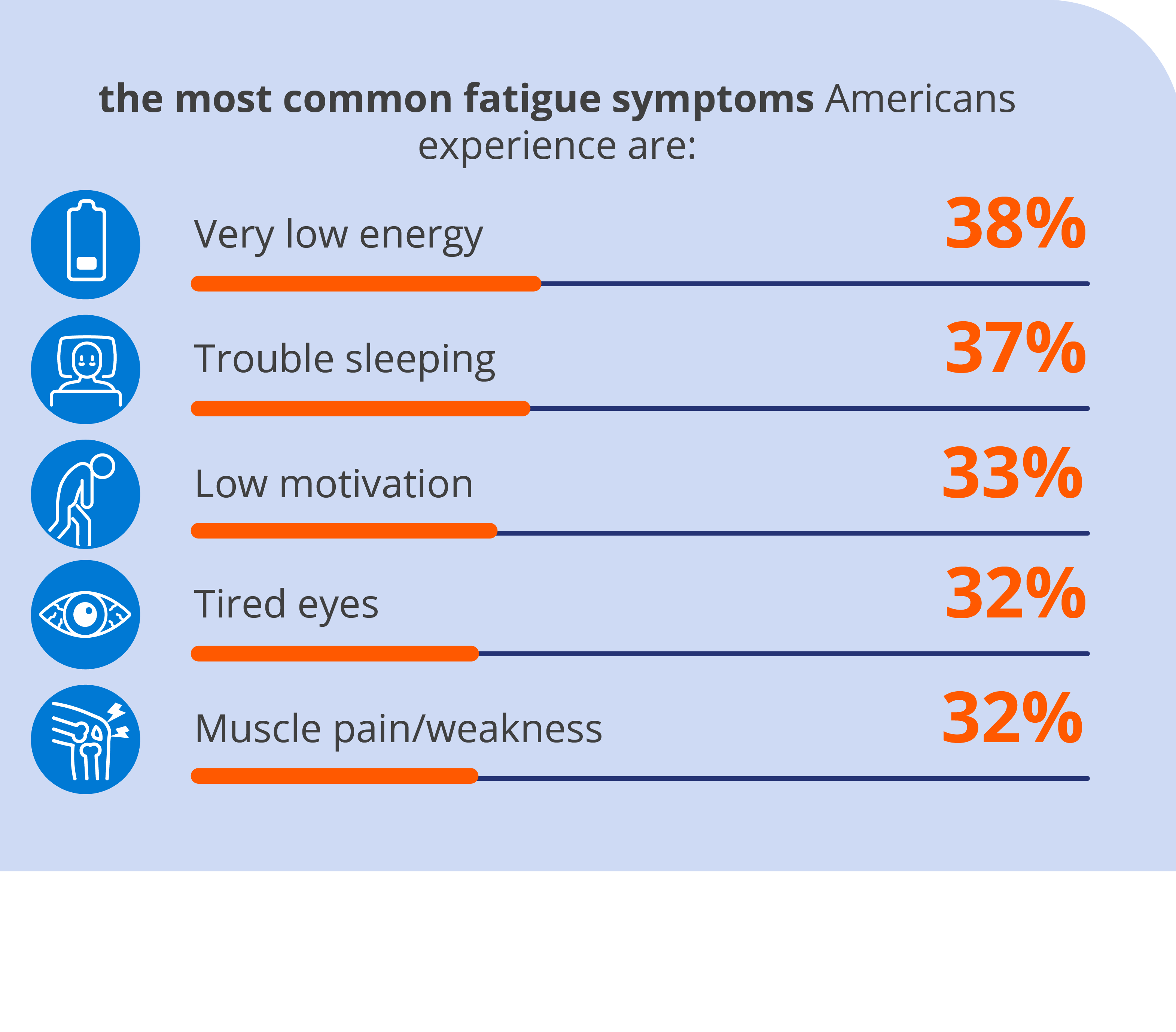
Dizziness is a broad term used to describe a sense of spinning, imbalance, or disorientation. If you’re trying to explain your symptoms to a healthcare professional, using more precise language can be helpful. For example, some people say My head feels weird and dizzy when they are unsure how to describe the sensation. The following terms may clarify what you’re experiencing:
- Disequilibrium: A general feeling of unsteadiness or imbalance.
- Lightheaded: A faint, woozy, or near-fainting sensation.
- Vertigo: The false perception that you or your surroundings are spinning.
A wide range of medical conditions can trigger both dizziness and fatigue. If you regularly feel light headed and exhausted, it’s important to consult a doctor for a proper evaluation and diagnosis.
Beyond discomfort, untreated dizziness and fatigue may increase the risk of falls, driving accidents, or other injuries. Identifying the root cause is key to effective management and long-term relief.
Low blood sugar
Your body relies on sugar, also known as glucose, as its primary energy source. When blood sugar levels fall too low, you may feel shaky, dizzy, and unusually tired.
Low blood sugar commonly occurs as a side effect of insulin and other medications prescribed for diabetes. These treatments are designed to reduce blood sugar. However, if the dosage is too high or meals are skipped, levels can drop excessively.
Hypoglycemia can also develop in people without diabetes, particularly if you haven’t eaten for several hours or consume alcohol (if applicable) without food.
Symptoms of low blood sugar include:
- dizziness
- fatigue
- fast heartbeat
- sweating
- shaking
- hunger
- irritability
- confusion
A quick source of carbohydrates, such as fruit juice or hard candy, can rapidly raise blood sugar levels. Follow this with a balanced meal to stabilize your levels. If you have diabetes and frequently experience hypoglycemia, speak with your doctor about adjusting your medication or meal schedule. Eating smaller, more frequent meals may also help maintain steady glucose levels.
Low blood pressure
Blood pressure measures the force of blood against your artery walls as it circulates throughout your body. When it drops too low, you may experience symptoms that make you feel light headed and tired all the time.
Symptoms of low blood pressure include:
- dizziness or lightheadedness
- fatigue
- nausea
- thirst
- blurred vision
- fast and shallow breathing
- pale, clammy skin
- difficulty concentrating
Several factors can contribute to low blood pressure, including:
- heart problems
- certain medications for high blood pressure, Parkinson’s disease, or depression
- serious injury and blood loss
- dehydration
- pregnancy
- diabetes
Addressing the underlying cause can often restore blood pressure to a normal range. Additional strategies include:
- following a balanced, nutrient-rich diet
- increasing salt intake under medical supervision
- drinking adequate fluids to prevent dehydration
- wearing compression stockings to improve circulation
Anemia
Red blood cells transport oxygen to tissues and organs throughout the body. In anemia, either the number of red blood cells is too low or they do not function properly. Reduced oxygen delivery can result in persistent fatigue and dizziness.
Symptoms of anemia can include:
- dizziness
- fatigue
- shortness of breath
- weakness
- fast or uneven heartbeat
- headache
- cold hands or feet
- pale skin
- chest pain
Potential causes of anemia include:
- bleeding, including heavy menstrual bleeding
- iron deficiency and other nutrient deficiencies
- bone marrow disorders
- certain medications, including some types of chemotherapy
Treatment depends on the specific cause and may involve dietary changes, iron supplementation, or other medical therapies.
Migraine episodes
Migraine is a neurological disorder characterized by severe headache episodes that may last from hours to days.

In addition to head pain, migraine episodes may include:
- visual disturbances such as flashing lights or zigzag lines
- nausea and vomiting
- sensitivity to light and sound
- lightheadedness
- fatigue
Some individuals experience vestibular migraine, which can cause dizziness and vertigo even without a headache. These episodes may persist for minutes or hours.
Identifying and avoiding triggers — such as alcohol, caffeine, or certain foods — can help reduce the frequency of attacks. Treatment options include:
- preventive medications like antidepressants and antiseizure drugs
- acute treatments such as nonsteroidal anti-inflammatory drugs (NSAIDs) and triptans
- complementary approaches including massage and acupuncture
Medications
Some medications list dizziness and fatigue among their potential side effects. These include:
- antidepressants like fluoxetine (Prozac) and trazodone
- antiseizure drugs such as divalproex (Depakote), gabapentin (Neurontin, Active-PAC with gabapentin), and pregabalin (Lyrica)
- heart medications, including angiotensin converting enzyme (ACE) inhibitors, beta-blockers, and diuretics
- muscle relaxants such as cyclobenzaprine (Fexmid) and metaxalone
- sleep aids like diphenhydramine (Benadryl, Unisom), temazepam (Restoril), eszopiclone (Lunesta), and zolpidem (Ambien)
If you suspect your medication is contributing to symptoms, consult your doctor. They can guide you on safely adjusting the dosage or switching to an alternative. For additional practical strategies, you can explore How to stop feeling dizzy.
Irregular heart rhythms
Under normal circumstances, your heart beats in a steady “lub-dub” pattern. An irregular heartbeat (arrhythmia) occurs when the heart beats too quickly, too slowly, or skips beats.
In addition to dizziness and fatigue, symptoms may include:
- fainting
- shortness of breath
- chest pain
Treatment may involve medications such as blood thinners or blood pressure drugs. Your doctor might also advise limiting caffeine, alcohol (if applicable), and certain cold medicines, as these can disrupt heart rhythm.
Chronic fatigue syndrome
Chronic fatigue syndrome (CFS) is marked by profound exhaustion that does not improve with rest. People with CFS often report dizziness and balance problems.

Symptoms of CFS may include:
- extreme fatigue
- dizziness or unsteadiness
- sleep disturbances
- memory and concentration issues
- muscle or joint pain
- headache
- sensitivities to foods, medications, or chemicals
Management can be complex and individualized. A doctor may recommend a combination of medications, lifestyle adjustments, and supportive therapies such as counseling.
Vestibular neuronitis
An infection such as a cold or the flu can inflame the vestibular nerve in the inner ear. This nerve helps maintain balance by sending signals to the brain. Inflammation may result in dizziness, vertigo, and fatigue.
Symptoms of vestibular neuronitis include:
- dizziness and vertigo
- fatigue
- nausea and vomiting
- difficulty concentrating
- blurred vision
Most cases are caused by a virus, and symptoms generally improve within several days as the infection resolves.
Dehydration
Dehydration occurs when your body lacks sufficient fluids. Not drinking enough water — especially during hot weather or intense physical activity — can leave you feeling light headed and tired all the time.
Symptoms of dehydration include:
- dizziness
- fatigue
- minimal urine output
- confusion
- headache
Treatment typically involves increasing fluid intake with water or electrolyte solutions such as Gatorade. Severe cases may require intravenous (IV) fluids in a hospital setting.
Seeking help
If you experience repeated episodes of dizziness and fatigue, schedule an appointment with a doctor to determine the underlying cause. Seek emergency medical care immediately if you notice:
- fainting or loss of consciousness
- seizures
- sudden vision changes or loss
- severe vomiting
- heart palpitations
- chest pain
- confusion
- high fever of over 102.2°F (39°C) for children and 103°F (39.4°C) for adults
- difficulty speaking
Outlook
Your prognosis depends largely on the condition responsible for your symptoms.
If an infection is the cause, improvement often occurs within days. Chronic conditions such as migraine and CFS typically require ongoing management with medications and supportive care, but many people achieve symptom control with the right plan.
Prevention
To reduce the likelihood of dizziness and fatigue:
- Drink adequate water throughout the day to stay hydrated.
- Rise slowly when moving from lying or sitting to standing.
- Limit or avoid alcohol, if applicable.
- Maintain regular meals to prevent blood sugar fluctuations.
- Get sufficient sleep to support overall energy levels and balance.
When dizziness occurs, avoid driving or operating heavy machinery. Sit or lie down until the sensation subsides to prevent falls or injuries.





















Leave a Reply
You must be logged in to post a comment.