

Gallbladder removal surgery rarely results in a hormonal imbalance, but it can be considered a potential — though uncommon — risk.
After undergoing gallbladder removal surgery (cholecystectomy), it’s normal to feel that your body is adjusting in unexpected ways. If you’ve found yourself asking, Why do I still have pain years after gallbladder removal, or wondering whether hormonal changes could be contributing to new symptoms, you’re not alone. Many people question how this procedure might influence digestion, metabolism, and overall hormonal balance.
Some hormones are closely connected to the gallbladder and its digestive function. While these hormones could theoretically be influenced after gallbladder removal, this outcome is not considered a common complication of the procedure.
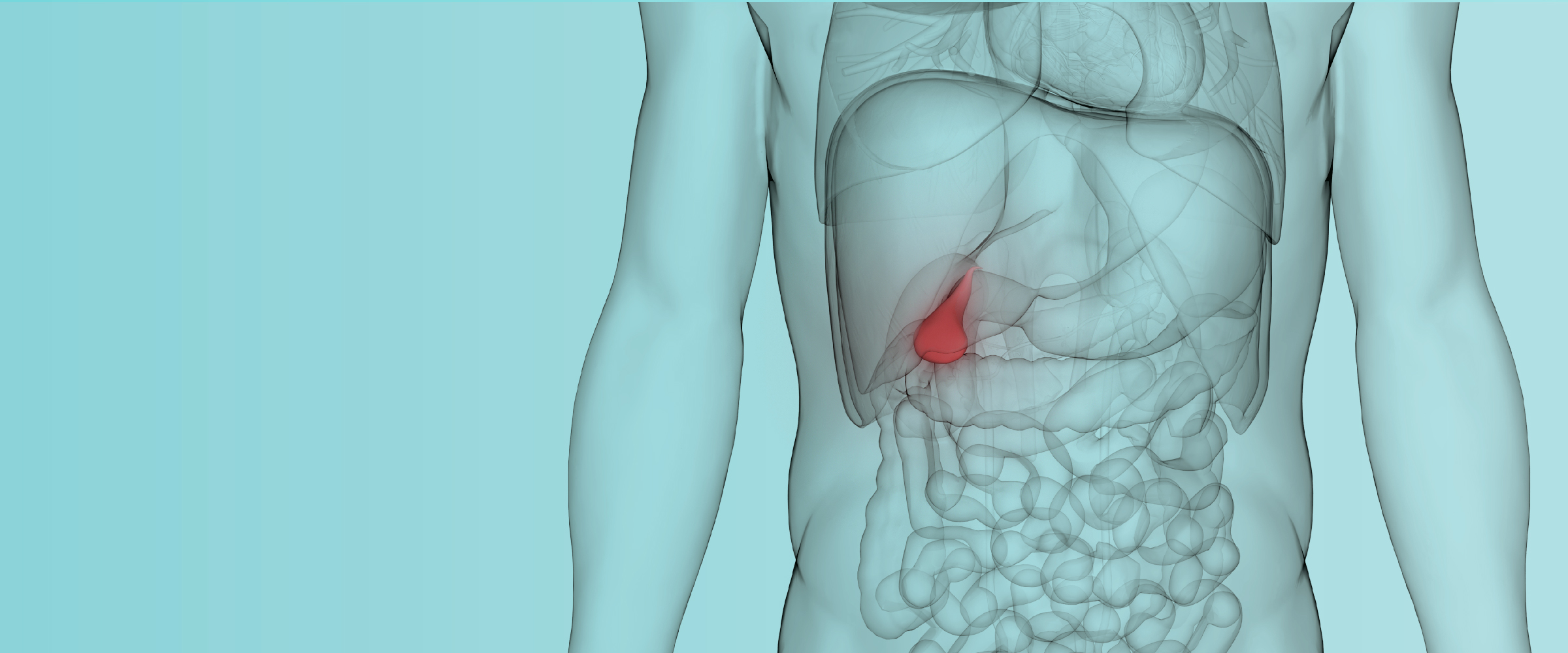
Your gallbladder is a small, pear-shaped organ located near the liver and pancreas. Its main job is to store and concentrate bile — a digestive fluid produced by the liver that helps break down dietary fats. Although the gallbladder belongs to the digestive system, its activity is influenced by the endocrine system, which is responsible for producing and regulating hormones throughout the body. This close interaction explains why some people explore whether digestive surgery could impact hormonal health.
Language matters
We use “women” and “men” in this article to reflect terms that have historically been used to describe gender. However, your gender identity may not correspond with how your body responds to gallbladder removal. A healthcare professional can help clarify how your unique physiology may relate to any possible hormone changes following surgery.
Hormones affected by gallbladder removal
Once the gallbladder is removed, your liver continues to produce bile. The difference is that bile no longer gets stored and concentrated in the gallbladder. Instead, it flows continuously and directly into the small intestine.
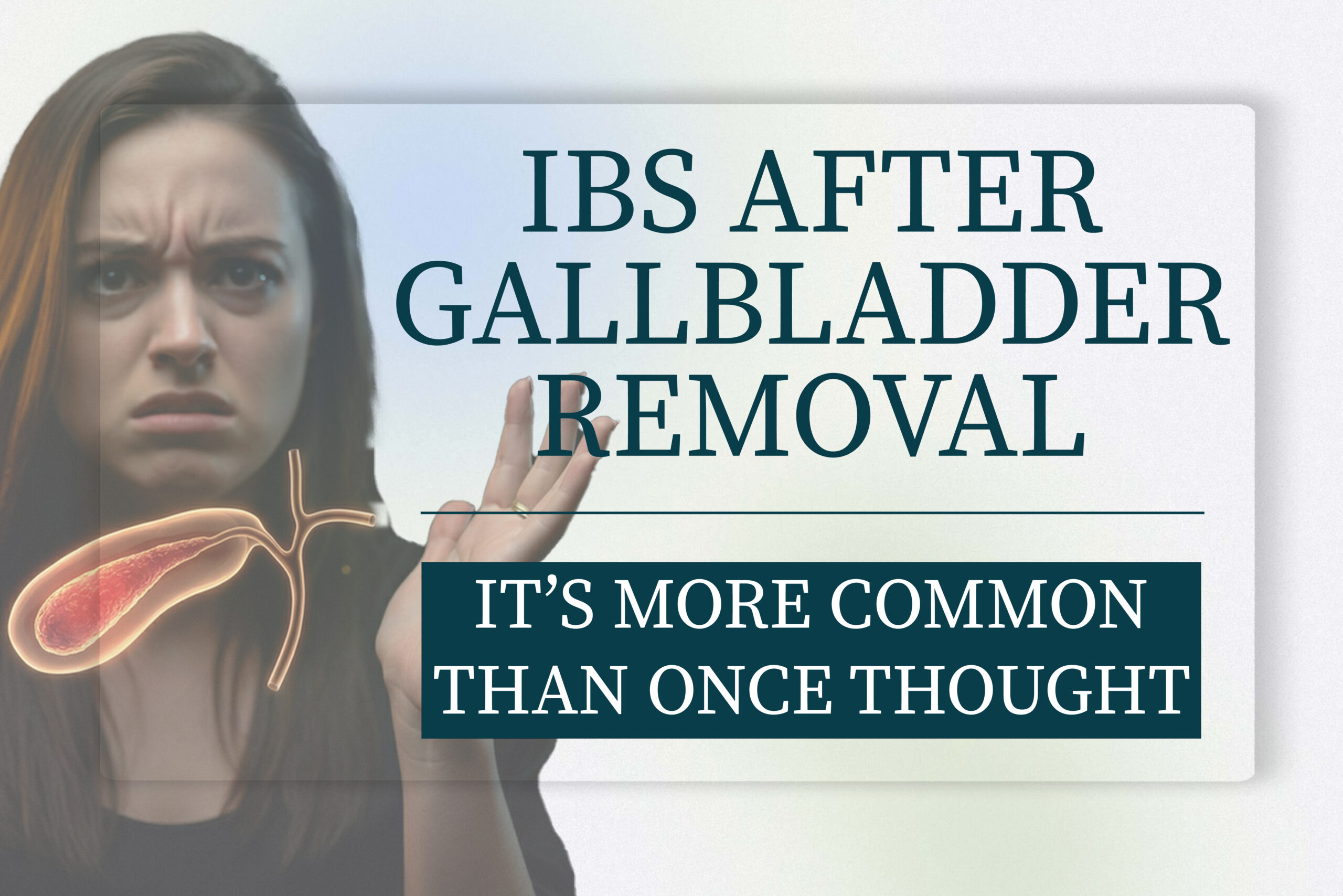
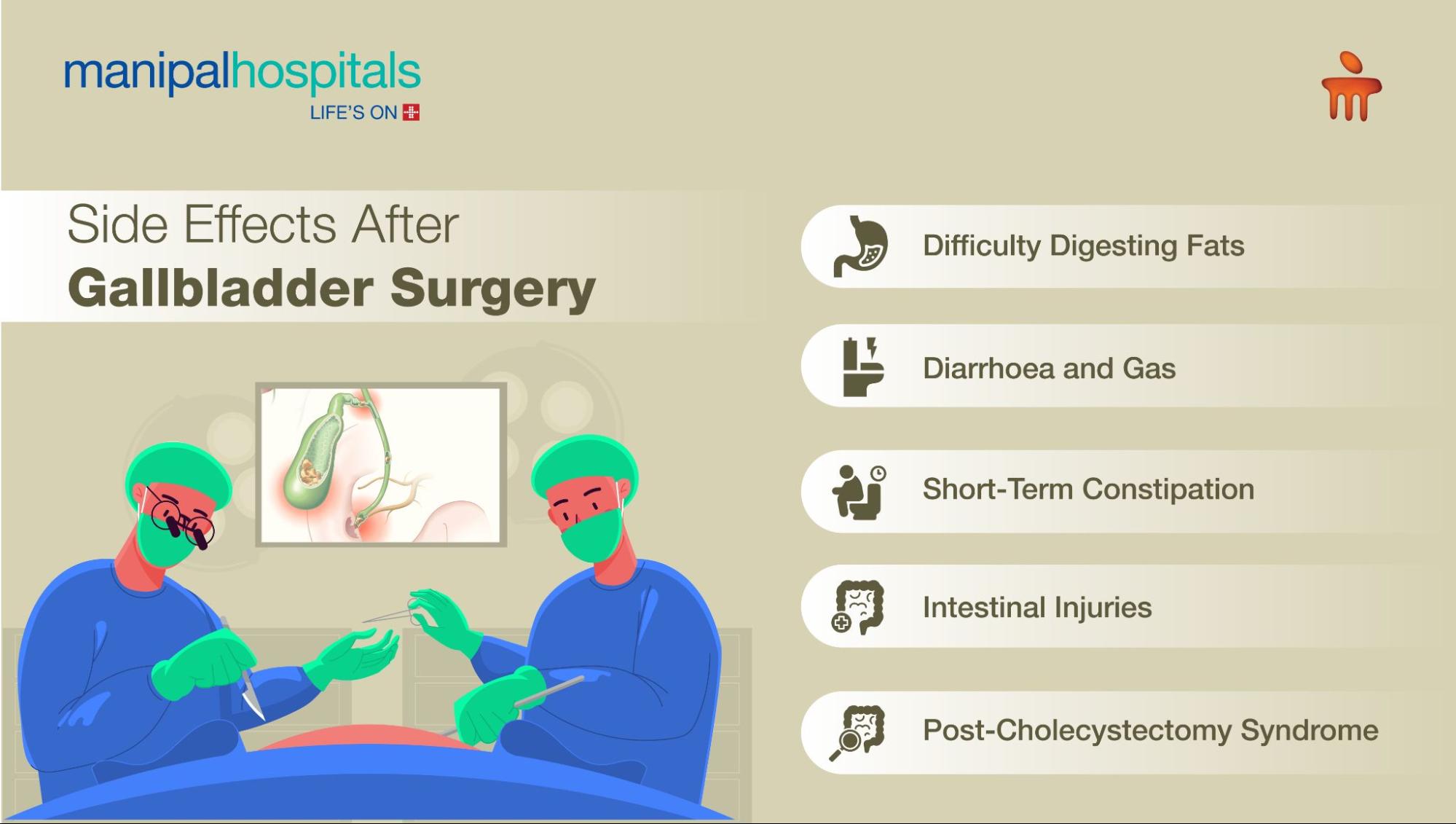
This altered bile flow may influence digestive signaling and, in theory, affect certain hormone pathways. However, research specifically examining hormonal imbalance after cholecystectomy remains limited. If you’re exploring persistent digestive discomfort or wondering, Why do I still have pain years after gallbladder removal, it’s important to understand that ongoing pain is more commonly linked to digestive or biliary causes rather than confirmed endocrine disruption. For example, some individuals report symptoms similar to Had gallbladder removed still having attacks, which may relate to bile duct issues or functional gastrointestinal disorders rather than hormone imbalance.
Stress hormones
Research indicates that open gallbladder removal surgery (as with other open surgical procedures) can trigger the body’s stress response. This response may temporarily raise cortisol levels, the body’s primary stress hormone.
Elevated cortisol is generally part of the normal healing process. However, a direct and lasting relationship between gallbladder removal and chronic cortisol imbalance has not been clearly established in medical literature.
Sleep hormones
Melatonin, commonly known as the “sleep hormone,” has been identified in the gallbladder. Surgical removal of the gallbladder may potentially interfere with melatonin regulation, which could contribute to temporary sleep disturbances in some individuals.
A 2018 study suggested that melatonin supplementation might help improve sleep disruption. Still, more high-quality studies are necessary to confirm whether these changes are directly caused by cholecystectomy or by other postoperative factors such as stress, inflammation, or changes in digestion.
Thyroid hormones
Thyroid dysfunction is common among people who develop gallstones and later undergo gallbladder removal. However, gallbladder removal itself hasn’t been proven to directly alter thyroid function.
Additional research is required to better understand the association between thyroid hormones and gallstone formation, as well as whether removing the gallbladder meaningfully changes this relationship. If you’re experiencing persistent fatigue, weight fluctuations, or temperature sensitivity after surgery, it may be helpful to have thyroid levels evaluated to rule out unrelated thyroid disease.
Reproductive hormones
Estrogen and progesterone are female reproductive hormones that may influence bile production and flow within the body.
Researchers suggest that sex hormones may contribute to certain reductions in gallbladder secretions. However, there is no clear evidence showing that gallbladder removal directly alters estrogen or progesterone levels.
While hormonal shifts can affect gallstone risk, the reverse — surgery changing reproductive hormone balance — has not been firmly demonstrated.
Gallbladder removal and menstruation
Any type of surgery has the potential to temporarily disrupt your menstrual cycle, and gallbladder removal is no exception. Physical stress, anesthesia, and recovery demands can all influence hormone signaling in the short term.
If you notice irregular periods after your procedure, consider speaking with your doctor. In most cases, menstrual changes related to surgery are temporary and resolve within a few months as the body stabilizes.
If cycle irregularities persist, further evaluation may be necessary to determine whether another underlying hormonal condition is present.
Gallbladder removal and menopause
Menopause signals the conclusion of the menstrual years and is characterized by significant hormonal shifts. As estrogen levels naturally decline, some women choose estrogen replacement therapy (ERT). Some research suggests that ERT may raise the risk of gallbladder disease and gallbladder removal.
If you are currently using ERT and preparing for gallbladder removal, or if you’ve already had the procedure, discuss this with your healthcare provider. Understanding how hormone therapy interacts with your digestive health can help guide personalized treatment decisions.
It’s also worth noting that symptoms such as abdominal discomfort or Pain in right side 2 years after gallbladder removal are typically linked to digestive or biliary causes rather than menopause itself. Careful evaluation can help determine whether symptoms are hormone-related or gastrointestinal in origin.
Signs of hormonal imbalance
Possible signs of hormonal imbalance after gallbladder removal may include:
- mood changes
- sleep disruptions
- fatigue
- irregular periods
- weight changes
These symptoms are relatively nonspecific and can stem from many causes, including stress, recovery from surgery, dietary adjustments, or unrelated endocrine disorders. If you continue to wonder, Why do I still have pain years after gallbladder removal, keep in mind that chronic abdominal pain is more often associated with post-cholecystectomy syndrome, bile acid changes, or functional digestive disorders than with confirmed hormonal imbalance.
Consult your doctor if you experience ongoing or worsening symptoms after surgery. Laboratory testing and a thorough clinical evaluation can help determine whether a true hormonal imbalance exists.
The takeaway
Gallbladder removal may cause minor and typically temporary hormonal fluctuations. While it’s possible to notice symptoms that resemble hormonal imbalance after cholecystectomy, this is not recognized as a common or well-established complication of the surgery.
If you’re asking yourself, Why do I still have pain years after gallbladder removal, the answer is more likely related to digestive or biliary factors than to long-term hormone disruption. A healthcare professional can assess your individual symptoms, rule out underlying causes, and recommend appropriate next steps for recovery and long-term wellness.















Leave a Reply
You must be logged in to post a comment.