
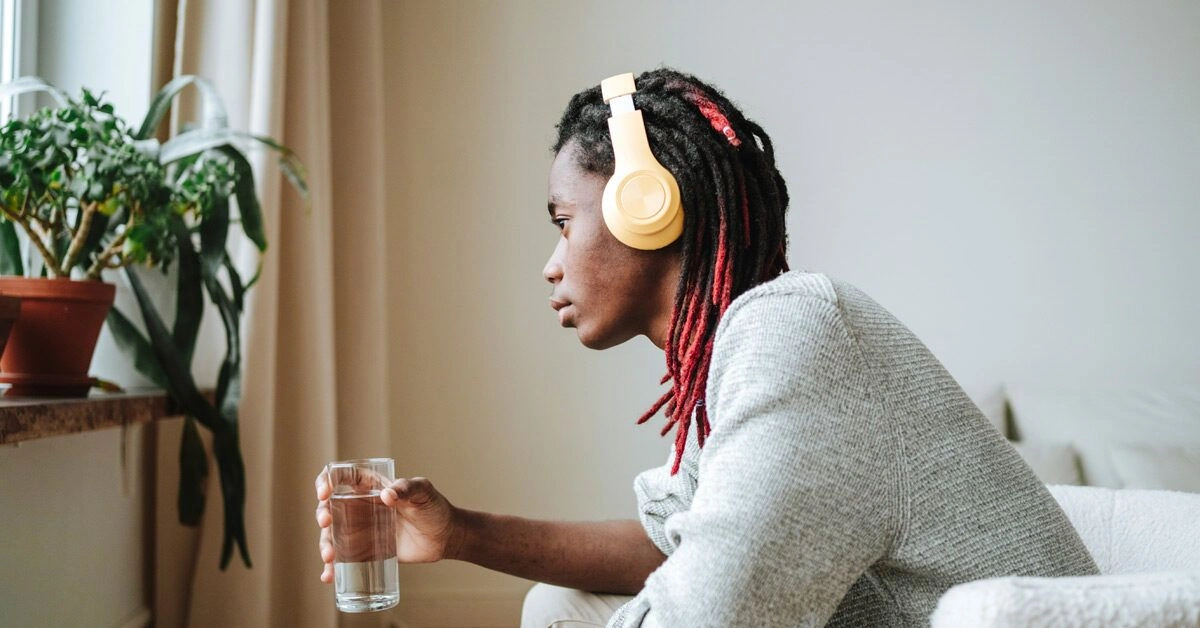
Carefully following your healthcare provider’s directions is the most important step when getting ready for laboratory work. In addition to specific instructions, getting adequate rest, maintaining proper hydration, and steering clear of certain foods and beverages can help support accurate results. Many people also wonder, How soon should you drink water before a blood test, especially if fasting is required.

Blood tests are routinely performed and play a key role in diagnosing and monitoring many health conditions. Even so, it’s common to feel uneasy about having blood drawn or to be unsure about what you should or shouldn’t eat or drink beforehand. Questions about hydration and fasting are particularly frequent.
This guide outlines practical steps to help you prepare for your lab work, including guidance on hydration, and explains what typically happens during a blood draw.
Preparation tips for the day before your blood test
Use the following recommendations to prepare the day prior to your appointment:
- Review your doctor’s instructions thoroughly. For certain blood tests, you may be instructed to fast (avoid all food and beverages except water) for 9–12 hours beforehand. You might also need to temporarily stop taking specific prescription medications. If you are unsure, contact your provider for clarification.
- If fasting is required, plan accordingly. During the fasting window, avoid smoking, drinking alcohol, chewing gum, and engaging in intense exercise. These activities can affect laboratory values and potentially alter results.
- If fasting is not required, limit alcohol and heavy meals. Avoiding fatty or rich foods the day before your test may help you feel more comfortable and prevent temporary changes in certain blood markers.
- Prioritize a good night’s sleep. Being well-rested can make the experience smoother. Adequate sleep may also help keep your veins more accessible during the blood draw.
- Plan your visit wisely. If the laboratory accepts walk-ins, consider calling ahead to ask about less busy times to reduce your wait.
Blood tests that typically require fasting
Your healthcare provider will let you know whether fasting is necessary. Blood tests that typically require fasting include:
- liver function tests
- cholesterol tests (lipid panels)
- triglyceride level tests
- blood glucose tests
- high-density lipoprotein (HDL) and low-density lipoprotein (LDL) tests
- metabolic panel tests
Fasting helps ensure that food and beverages do not temporarily influence levels such as glucose or triglycerides. If you’re wondering How soon should you drink water before a blood test when fasting, water is generally permitted and can usually be consumed up until your appointment, unless your provider advises otherwise. For more detailed guidance, you can review Can I drink water before a fasting blood test and, for individuals managing diabetes, Can I drink water before a fasting blood test for diabetes.
Preparation tips for the day of your test
On the day of your blood work, consider these steps to make the process easier:
- Drink adequate water. Proper hydration increases blood volume in your veins, which can make the draw quicker and smoother. If you’ve been asking, “How soon should you drink water before a blood test?” it’s typically safe to sip plain water the morning of your test, even during a fasting period, unless instructed otherwise.
- Skip coffee and caffeinated beverages. Caffeine can contribute to dehydration and may not be recommended before certain tests.
- If fasting is not required, eat a light meal. Having breakfast 1–2 hours before your appointment may help reduce the risk of lightheadedness.
- If you’re prone to nausea, avoid eating immediately beforehand. Some people feel queasy during blood draws, especially on an empty stomach.
- Wear clothing with easy arm access. Short sleeves or sleeves that roll up easily can simplify the process.
- Arrive early. Give yourself time to complete any necessary paperwork without feeling rushed.
- Bring identification and insurance information.
- Pack a small snack. Fruit, crackers, or a protein bar can be helpful to eat after the test, particularly if you fasted.

Staying hydrated is one of the simplest ways to prepare. Adequate fluid intake supports circulation and may decrease the chance of needing multiple needle attempts.
What to expect from a blood draw procedure
A blood draw is generally brief and often completed within a few minutes.
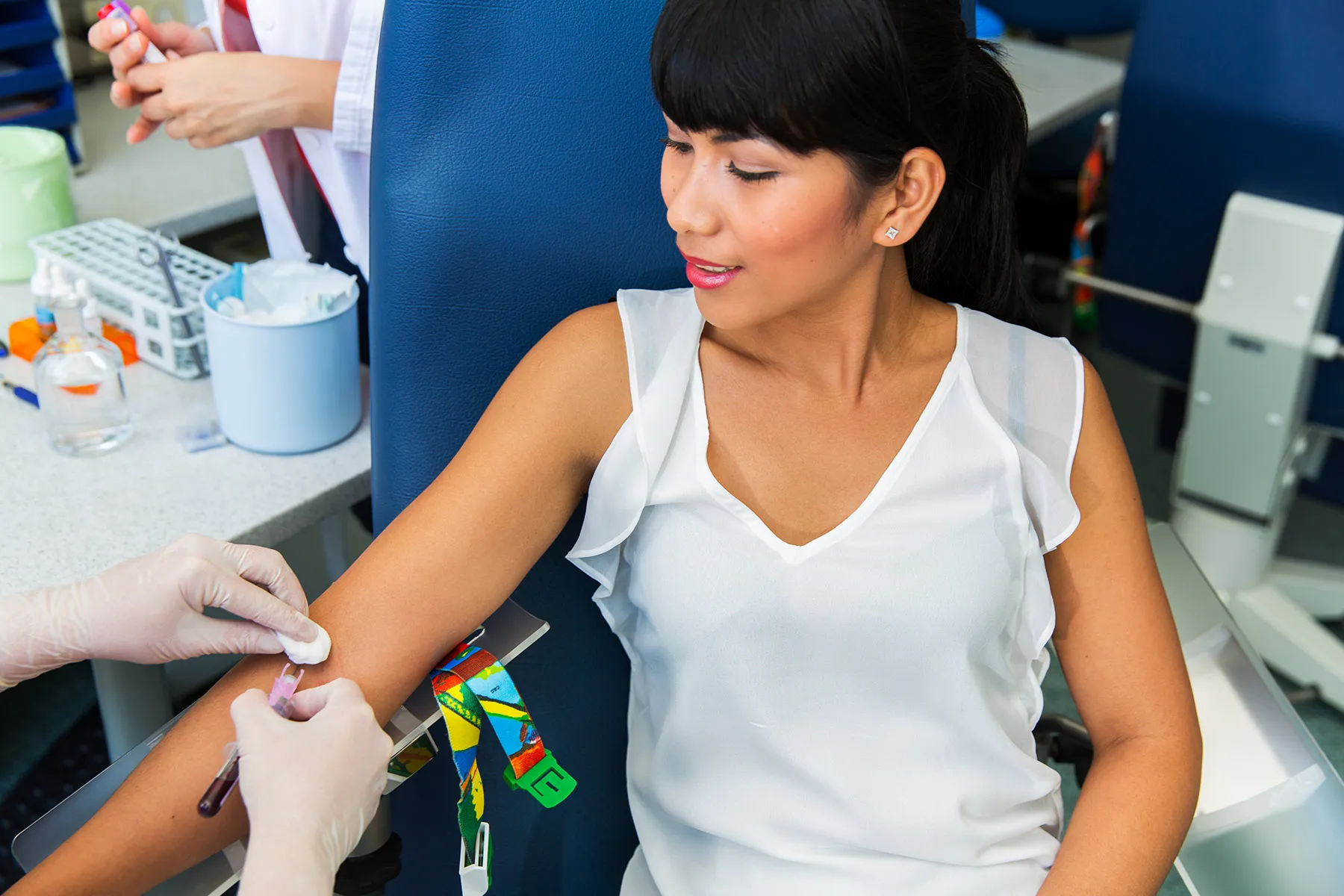
After checking in at the front desk, you’ll wait until a technician calls your name. In the collection room, you’ll sit in a chair equipped with an armrest designed to keep your arm steady.
If you’re wearing long sleeves, you’ll be asked to roll them up above your elbow. You’ll then extend your arm comfortably in front of you.
The technician will cleanse a small section of your arm using an antiseptic wipe. An elastic band will be placed around your upper arm to make your vein more prominent and easier to access.
You may be asked to form a fist to help increase blood flow. The technician will then carefully insert a needle into your vein. You might notice a brief pinching sensation, but significant pain is uncommon.
After collecting the required amount of blood, the technician will withdraw the needle and apply a small bandage to the site.
If you feel lightheaded or dizzy, inform the technician right away. You can stay seated until you feel steady. Drinking water and eating a snack afterward may help alleviate these symptoms. If you didn’t bring anything with you, ask for a cup of water. Rehydrating can be especially helpful if you fasted beforehand.
It’s normal to experience mild tenderness or slight bruising at the puncture site. Any discomfort usually resolves within a few days without treatment.
How to cope with nervousness
- Communicate openly. Let the technician know if you’re anxious. They may offer options such as lying down instead of sitting.
- Look away during the draw. Focusing on a spot in the room rather than the needle can help reduce stress.
- Engage in conversation. Talking with the technician can serve as a helpful distraction.
- Listen to music. Earbuds or headphones may help you relax.
- Practice deep breathing. Slow, steady breaths before and during the procedure can calm your nervous system.
- Bring support. A friend or family member can provide reassurance if needed.
How long does it take to see the results of your blood draw
For many routine laboratory tests, results are available within 24 hours to a few days. Examples include:
- complete blood count
- basic metabolic panel
- complete metabolic panel
- lipid panel
Some specialized tests may require additional processing time and could take several weeks, particularly if they involve rare conditions or must be sent to a reference laboratory.
Ask your doctor or the laboratory staff when you should expect your results and how they will be communicated to you.
Takeaway
A blood test is a routine and efficient diagnostic tool. The most reliable way to prepare is to carefully follow your provider’s instructions, including any guidance about fasting and medications. If you’re unsure How soon should you drink water before a blood test, remember that plain water is usually allowed and may even make the process easier, unless you’re told otherwise.
If you’re feeling anxious or concerned about nausea, let the technician know ahead of time. Simple relaxation techniques, hydration, and clear communication can make your experience more comfortable and help ensure accurate test results.

















Leave a Reply
You must be logged in to post a comment.