

Vaginal itching can be frustrating and distracting, but in many cases it’s not a sign of something serious. Common triggers include contact dermatitis, infections that are often manageable at home, and hormonal shifts during your menstrual cycle. If you’re wondering, How do I make my private area stop itching, understanding the underlying cause is the first and most important step toward lasting relief.

Many people use the word vagina when they actually mean vulva. The vagina refers to the internal canal, while the vulva includes the external genital structures such as the labia, clitoris, urethra, and vaginal opening.
In this guide, we’ll discuss itching that affects the vagina, the vulva, or both, along with practical ways to soothe irritation and protect your intimate health.
Causes of vaginal itching
There are numerous reasons you might experience itching in the vaginal or vulvar area. Identifying the source can help you choose the right treatment and determine whether medical care is needed.
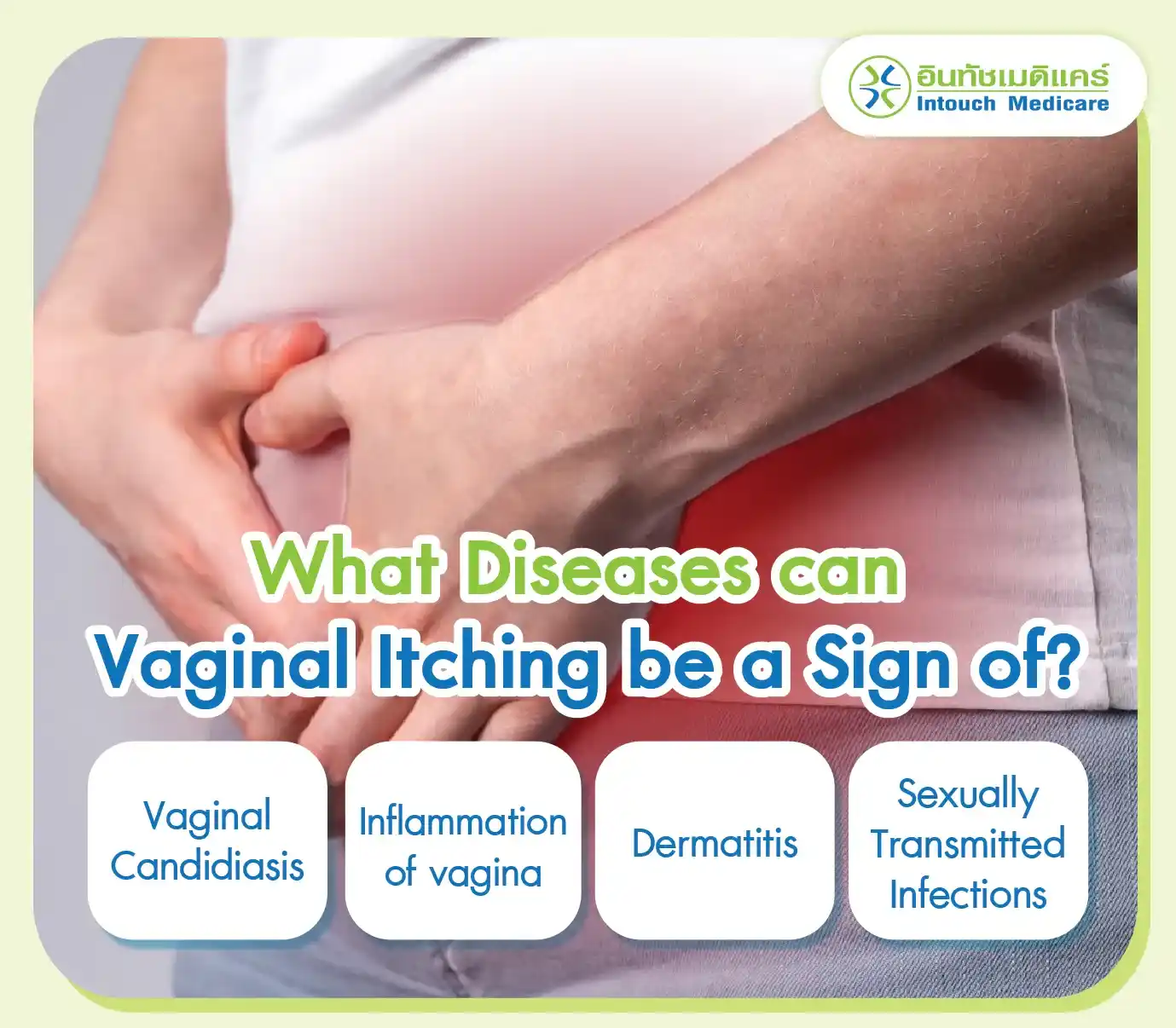
Irritants
Exposure to chemical irritants in everyday products can provoke an allergic reaction known as contact dermatitis. Ingredients such as alcohol, dyes, and fragrances are common culprits.
If irritation is the cause, you may notice itching, redness, and soreness around the vulva or inside the vagina.
Products frequently linked to irritation include:
- soaps, shower gels, and bubble baths
- feminine sprays
- douches
- topical contraceptives, like spermicide and Phexxi
- creams, lotions, and ointments
- detergents
- fabric softeners
- scented toilet paper
- scented pads and liners
Urine from incontinence can also irritate sensitive skin and lead to persistent itching or burning sensations.
If you’re considering home remedies, you might also be curious about Can I put vaseline on my private area for itching. While protective barriers can sometimes reduce friction, it’s important to ensure the product won’t trap moisture or worsen certain infections.
Skin conditions
Chronic skin disorders like eczema and psoriasis may affect the genital region, causing redness, scaling, and itchiness.
Eczema, or atopic dermatitis, typically appears in individuals with allergies or asthma. The rash is often red, scaly, and itchy. In some cases, it can extend to the vulvar area.
Psoriasis, another common condition, leads to thick, scaly, red patches on the scalp and joints. Flare-ups can occasionally involve the vulva as well, creating discomfort and irritation.
Yeast infection
Yeast is a fungus that naturally lives in the vagina. When its growth becomes excessive, it can cause a vaginal yeast infection.
Symptoms often include intense itching, burning, and a thick, whitish discharge that may have a yeasty odor, similar to fresh sourdough bread.
Antibiotic use can disrupt the balance of good bacteria that normally keep yeast levels controlled. Other risk factors include pregnancy, stress, unmanaged diabetes, and hormonal changes before your period.
Bacterial vaginosis
Bacterial vaginosis (BV) is another frequent cause of vaginal itching.
Like yeast infections, BV develops when the balance between beneficial and harmful bacteria in the vagina is disturbed.
BV doesn’t always produce symptoms. When it does, they may include itching and a thin discharge with a fishy odor. The discharge can appear gray or white and may sometimes look foamy.
STIs
Several STIs may lead to vaginal itching, including:
- chlamydia
- genital warts
- gonorrhea
- genital herpes
- trichomoniasis
These infections can also cause unusual discharge, pain during urination, genital sores, or pelvic discomfort. Early testing and treatment are key to preventing complications.
Menopause
During perimenopause and menopause, declining estrogen levels can increase the likelihood of vaginal itching.
Lower estrogen causes the tissues of the vulva and vagina to become thinner, drier, and less elastic. Vaginal dryness can contribute to irritation, itching, and discomfort during sexual activity. Some people may also notice light bleeding after intercourse.
Stress
Both emotional and physical stress can play a role in vaginal itching and irritation.
Stress may weaken your immune system, making you more susceptible to infections that trigger itching. Research, including animal studies, suggests that elevated cortisol levels may influence vaginal health and increase the risk for vaginal infections.
Vulvar cancer
Although uncommon, vulvar cancer can present with persistent vaginal itching. It is considered rare, and most itching is caused by less serious conditions.
Symptoms may include itching that does not improve, skin discoloration or thickening on the vulva, unexplained lumps, or bleeding unrelated to your menstrual cycle. Some individuals experience no symptoms at all.
Routine gynecological exams improve the chances of early detection and better outcomes.

When to contact a healthcare professional about vaginal itching
Seek medical advice if vaginal itching is severe enough to interfere with daily activities or sleep.
While many causes are mild, a healthcare professional can determine the source of your symptoms and recommend appropriate treatment or prescription medication.
Contact a healthcare professional if itching lasts longer than a week or occurs along with:
- ulcers or blisters on the vulva
- pain, tenderness, or swelling in the genital area
- genital redness or other color changes
- difficulty urinating
- unusual vaginal discharge
- pain during sexual intercourse
If you don’t already have an OB-GYN, you can search for specialists in your area through the Healthline FindCare tool.
What to expect during your appointment
Your healthcare professional will ask detailed questions about your symptoms, including their intensity and duration. You may also be asked about sexual activity.
A pelvic exam is commonly performed. During this exam, the vulva is visually inspected, and a speculum may be used to examine the inside of the vagina. The clinician may press on your abdomen while inserting a gloved finger into the vagina to assess the reproductive organs.
Samples of discharge or skin tissue may be collected for laboratory analysis. Blood or urine tests may also be ordered depending on your symptoms.
Medical treatment for vaginal itching
Treatment depends on the root cause of the itching.
Vaginal yeast infections
Antifungal medications are used to treat vaginal yeast infections. They are available as creams, ointments, or oral pills and may be prescribed or purchased over the counter (OTC).
If you’ve never been diagnosed with a yeast infection, consult a healthcare professional before starting OTC treatment to ensure accurate diagnosis.
BV
BV is treated with antibiotics, either taken orally or applied as a vaginal cream. It’s important to complete the entire prescribed course, even if symptoms improve before finishing the medication.
STIs
Treatment for STIs may involve antibiotics, antivirals, or antiparasitic medications, depending on the specific infection.
Your healthcare professional may advise avoiding sexual activity until treatment is completed and the infection has cleared.
Menopause
Menopause-related vaginal itching can be managed with estrogen cream, tablets, or a vaginal ring insert to restore moisture and tissue elasticity.
Other causes
Some mild cases of vaginal irritation resolve on their own, particularly when irritants are removed.
Topical steroid creams or lotions may reduce inflammation and discomfort. Use them exactly as directed, as overuse can worsen irritation. If symptoms persist or intensify, seek medical guidance.
For those seeking rapid relief strategies while awaiting medical advice, you may find practical tips in How to stop itching down there immediately, which outlines safe comfort measures.
Frequently asked questions
How do you stop your vagina from itching?
- Clean your genital area with warm water and a mild, fragrance-free cleanser.
- Avoid scented soaps, lotions, and bubble baths.
- Skip vaginal sprays and douches — your natural scent is normal.
- Change out of wet clothing promptly after swimming or exercising.
- Wear breathable cotton underwear and replace it daily.
- Use barrier protection during sexual activity.
- Get tested for STIs and encourage partners to do the same.
- Wipe from front to back to prevent bacteria from spreading to the vulva and vagina.
- Clean your genital area with warm water and a mild, fragrance-free cleanser.
- Avoid scented soaps, lotions, and bubble baths.
- Skip vaginal sprays and douches — your natural scent is normal.
- Change out of wet clothing promptly after swimming or exercising.
- Wear breathable cotton underwear and replace it daily.
- Use barrier protection during sexual activity.
- Get tested for STIs and encourage partners to do the same.
- Wipe from front to back to prevent bacteria from spreading to the vulva and vagina.
What sexually transmitted disease causes you to be itchy down there at night?
Pubic lice
Pubic lice
Which cream is best for vaginal itching?
The bottom line
Vaginal itching is uncomfortable but usually not serious. In many situations, symptoms improve with simple lifestyle adjustments, such as eliminating irritants and maintaining good hygiene.
If you’re still asking yourself, How do I make my private area stop itching, remember that persistent or severe symptoms deserve medical evaluation. Don’t hesitate to reach out to a healthcare professional for reassurance, accurate diagnosis, and effective treatment.




















Leave a Reply
You must be logged in to post a comment.