
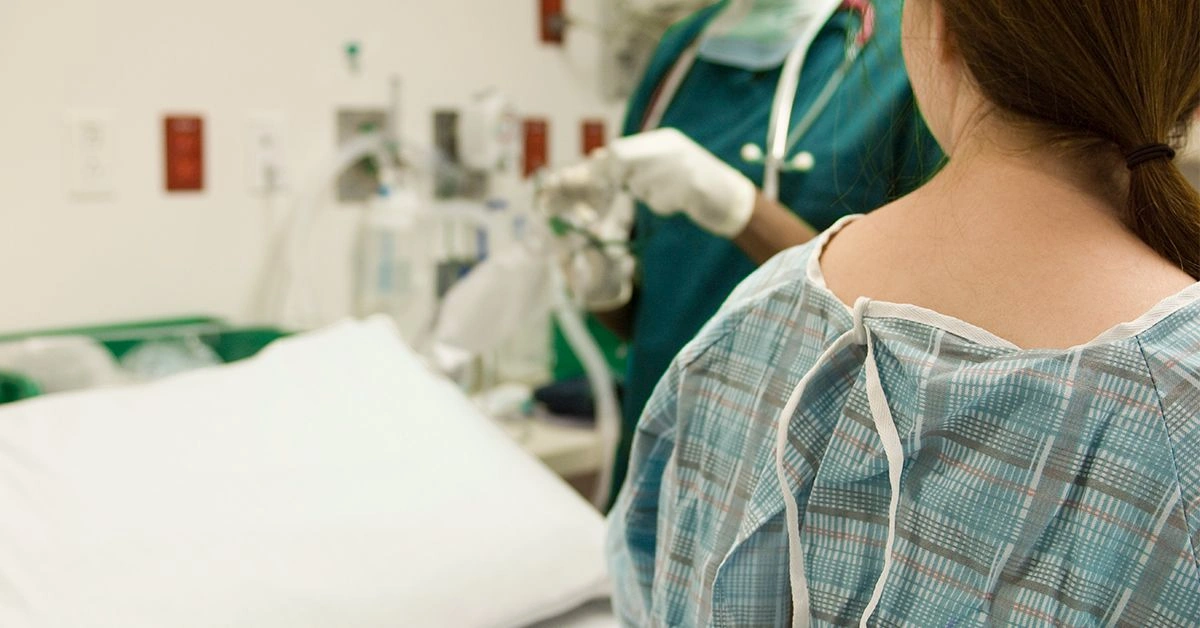
Surgery can feel intimidating and emotionally taxing, especially when it involves the digestive system.
Starting new medications, managing discomfort, and noticing physical changes — including Belly fat after colon resection — can make the healing period feel even more overwhelming.
Although your primary focus should be rest and proper recovery, it’s natural to question why the number on the scale has increased or why your abdomen looks or feels different after surgery. You may wonder whether this is temporary or something that requires attention.
This article explores weight gain and Belly fat after colon resection, outlines the most common reasons for these changes, and provides practical strategies to help you navigate recovery safely and confidently.

Is weight gain common after surgery?
Surgical procedures, including colon resection, are typically invasive and place significant physiological stress on the body as it works to repair tissues and restore normal function. Recovery duration varies depending on the type of procedure performed, whether it was open or laparoscopic, and your overall health status.
In many cases, people notice temporary weight gain or abdominal bloating during the early recovery phase. Belly fat after colon resection is often assumed to be fat accumulation, but in most situations, it is linked to fluid retention, medication side effects, postoperative inflammation, or reduced physical activity. The likelihood and extent of weight changes depend on the procedure, expected healing time, and your medical history (1, 2).
Weight increases during the first few weeks after surgery are rarely due to an actual rise in fat mass. Instead, they are typically related to fluid shifts and the body’s natural inflammatory response to tissue healing. As inflammation subsides and mobility improves, this weight commonly decreases.
That said, a prolonged recovery, ongoing inactivity, heightened stress, and lasting dietary changes can contribute to genuine fat gain over time. This is particularly relevant for individuals concerned about Belly fat after colon resection, as abdominal changes can feel more noticeable following digestive surgery. Gradually returning to a balanced routine once medically cleared is key to minimizing long-term changes.
SummaryPostsurgical weight gain is often temporary and usually linked to fluid buildup and swelling. However, extended inactivity, stress, and altered eating habits during recovery may contribute to longer-term fat gain if healthy routines are not reestablished.
Causes of weight gain
Several factors may explain weight gain or abdominal fullness following colon surgery.
Fluid retention
The most frequent reason for weight gain after surgery is fluid retention, also called postoperative edema.
Edema develops when excess fluid accumulates in body tissues as part of the inflammatory response that supports healing. Intravenous (IV) fluids administered during and after surgery can also contribute. Swelling may be localized near the surgical site or more generalized throughout the body (3, 4).
Typical symptoms include puffiness, visible swelling, joint stiffness (such as in the fingers or ankles), reduced urine output, and rapid increases in weight (3, 4). In abdominal surgeries, this swelling can make Belly fat after colon resection appear more pronounced, even though it is primarily fluid-related.
In most cases, edema resolves naturally. Occasionally, your surgeon may prescribe a diuretic or adjust medications that may worsen swelling, such as corticosteroids or calcium-channel blockers (3).
Additional strategies may include wearing compression garments, engaging in light movement as tolerated, limiting sodium intake, and elevating swollen areas. If swelling seems excessive, painful, or persistent, consult your surgeon or healthcare provider promptly.
Being sedentary
After a colon resection, physical activity is often restricted for days or even weeks to protect the surgical site and allow internal healing.
While short-term rest does not significantly increase fat mass, extended inactivity can reduce muscle mass and lower daily energy expenditure. Over time, this shift may promote fat gain, particularly in the abdominal region (5).
Rehabilitation is an essential part of postoperative care. Working with physiotherapists and occupational therapists can help restore strength, mobility, and functional independence while minimizing muscle loss (6, 7).
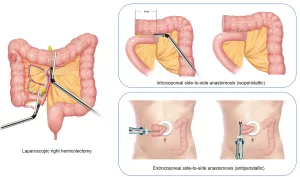
If your procedure was minor, you may resume gentle activity relatively quickly. More extensive surgeries, such as a right hemicolectomy, often require longer recovery timelines. Some individuals also experience Weight loss after right hemicolectomy due to changes in appetite or digestion before weight stabilizes.
When cleared by your doctor, begin with low-impact activities such as short walks or gentle stretching. Gradually increase intensity only as tolerated. Avoid heavy lifting or strenuous abdominal exercises until you receive full medical clearance, as premature strain may delay healing.
Comfort food
Healing from colon surgery can be uncomfortable and emotionally challenging. It’s common to seek comfort in familiar foods during this period.
While prioritizing calories and protein is crucial immediately after surgery — even if your options are limited to softer foods like pudding, Jell-O, scrambled eggs, or ice cream (8, 9) — relying heavily on high-calorie comfort foods long term may contribute to Belly fat after colon resection.
Depending on your nutritional status, you may collaborate with a registered dietitian who can recommend therapeutic diets, temporary liquid plans, or protein and energy supplements to support tissue repair (8).
As your appetite improves, prioritize protein-rich foods to aid muscle preservation and healing. Incorporating fiber gradually can also help restore bowel regularity and relieve constipation, a frequent postoperative concern (8). However, fiber increases should be slow and guided by your healthcare team to prevent discomfort.
If you feel hungry between meals, choose snacks combining protein and fiber — for example, peanut butter with apple slices — to enhance satiety. Opt for water, tea, or coffee instead of sugary beverages or alcohol, which can add excess calories without nutritional benefit.
It’s perfectly acceptable to include comforting foods during recovery. The goal is balance. If food becomes a primary coping tool beyond the early healing phase, consider speaking with a dietitian or healthcare provider for additional support.
Some individuals may experience the opposite issue, such as Rapid weight loss after bowel resection, particularly if appetite remains low or digestive changes persist. Monitoring weight trends — whether gain or loss — with your medical team ensures appropriate intervention when needed.
SummaryFluid retention is the leading cause of short-term weight gain after colon surgery. However, reduced activity levels and prolonged changes in eating patterns may lead to increased fat mass over time. Gradual movement and balanced nutrition support a healthier recovery.
A word on weight gain
Undergoing a colon resection is a significant medical event that demands both physical and emotional resilience.
If you notice changes in abdominal shape or weight, remember that your body has endured surgical stress and is dedicating energy toward healing. Belly fat after colon resection is often temporary and influenced by swelling, posture changes, digestive shifts, or muscle deconditioning.
Rather than concentrating solely on the scale, focus on supporting recovery through adequate nutrition, hydration, sleep, and gradual activity. Patience is essential — internal healing frequently takes longer than external scars suggest.
SummaryYour primary objective after surgery should be safe and complete healing. If you observe sudden or ongoing weight changes, consult your healthcare provider for individualized guidance.
The bottom line
Colon surgery can be life-altering, and concerns about body changes — including Belly fat after colon resection — are completely understandable.
In many instances, rapid weight gain reflects temporary fluid retention rather than true fat accumulation. Nevertheless, extended inactivity and sustained dietary shifts during recovery can influence body composition if healthy habits are not gradually restored.
Reestablishing movement and balanced nutrition takes time, and pushing too quickly may hinder healing. Allow your body to recover at its own pace while maintaining open communication with your healthcare team.
Ultimately, a safe and steady recovery matters far more than the number on the scale. By working closely with your doctor, you can address concerns early and support long-term digestive and metabolic health.




















Leave a Reply
You must be logged in to post a comment.