

Stomach discomfort and nausea frequently appear together. In many cases, this pairing is linked to indigestion or food poisoning and tends to improve on its own. However, if nausea and abdominal pain continue beyond 24 hours, it’s important to consult a healthcare professional for further evaluation.
Both abdominal pain and nausea can stem from a wide range of causes. But what does it mean when they occur simultaneously?
While numerous health conditions may trigger these symptoms at the same time, certain causes are more common than others.
Most of these issues are not medical emergencies and often resolve without intensive treatment. Still, if your symptoms persist — especially if they repeatedly occur after eating — or if your abdominal pain or nausea becomes severe, you should contact a doctor.
Understanding overlapping symptoms is also helpful when comparing digestive emergencies, such as Gallbladder vs appendix symptoms, since both can involve abdominal pain and nausea but require different treatments. Below, you’ll find detailed explanations of possible causes of concurrent stomach pain and nausea, along with how each condition is typically managed.
Acute stomach pain and nausea causes
Some disorders that lead to nausea and stomach pain develop suddenly and may resolve quickly. Others can be ongoing or more serious. Paying attention to additional symptoms can help clarify the underlying issue.
Indigestion
Indigestion, also known as an upset stomach, may result from eating too quickly, consuming certain trigger foods, drinking excessive alcohol or caffeine, or experiencing stress. In some cases, indigestion signals an underlying gastrointestinal condition such as acid reflux.
Besides nausea and stomach discomfort, symptoms may include:
- bloating
- an overly full sensation
- a burning feeling in the stomach or throat
- burping
- gas
Food poisoning
There are more than 250 types of food poisoning, with severity ranging from mild to serious. In addition to stomach pain and nausea, other symptoms often include:
- stomach cramps
- diarrhea
- fever
Symptoms may begin within hours or take several days to appear, depending on the source of contamination. Most cases improve within a few days without specific treatment.
Anxiety
Anxiety can produce physical symptoms, including digestive upset. The gut and brain are closely connected, and stress responses may heighten the perception of abdominal discomfort. Children are particularly prone to stomach-related anxiety symptoms.
Other physical effects of anxiety may include constipation or diarrhea.
Viral gastroenteritis
Viral gastroenteritis, often referred to as the “stomach flu,” is an intestinal infection. It spreads through contaminated food or utensils, contact with infected surfaces, or exposure to bodily fluids from someone carrying the virus. Most individuals recover within a few days.
Additional symptoms include:
- watery diarrhea
- stomach cramps
- vomiting
- fever
Norovirus
Norovirus is a highly contagious virus that triggers inflammation in the stomach and intestines, leading to nausea, vomiting, diarrhea, and abdominal pain. It is the leading cause of foodborne illness.
Infection usually occurs through close contact with an infected person or by consuming contaminated food or water. Symptoms typically appear 12 to 48 hours after exposure and resolve within 1 to 3 days.
Gallbladder attack
The gallbladder produces bile to aid digestion. When substances in bile harden into gallstones, they can obstruct the bile duct. This blockage may cause the gallbladder to spasm, resulting in sudden, sharp pain — often described as knife-like — typically after eating.
Other symptoms may include:
- fever
- chills
- light-colored stool
- dark urine
- jaundice
Because gallbladder pain can resemble other urgent abdominal conditions, recognizing differences in Gallbladder vs appendix symptoms is essential. If surgery becomes necessary, you may want to learn more about Gallbladder vs appendix surgery and how recovery compares.
Kidney stones
Kidney stones form from crystallized chemicals in urine, often when fluid intake is insufficient. Some stones pass naturally, while others become lodged in the urinary tract.
When blockage occurs, symptoms may include:
- lower back pain
- blood in the urine
- vomiting
- fever and chills
- cloudy or foul-smelling urine
Appendicitis
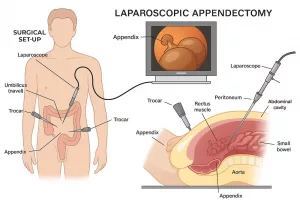
Appendicitis develops when the appendix becomes obstructed, commonly due to infection, though stool or tumors may also cause blockage.
Medical emergencyWhen the appendix is blocked, it swells and blood flow stops. This causes the appendix to die. It can then burst, which is a medical emergency. Seek emergency treatment if you have the following symptoms: pain in the lower right side of your stomach (the most common symptom), loss of appetite, fever, chills, changes in bowel movements, swollen abdomen, trouble passing gas.
Because appendicitis can initially resemble Gallbladder vs appendix symptoms, prompt evaluation is critical. If surgery is required, you might consider reading about Which is worse appendix or gallbladder surgery to better understand potential risks and recovery expectations.
Abdominal adhesions
Abdominal adhesions are bands of scar tissue that cause internal tissues and organs to stick together, often after abdominal surgery. While they may resolve independently, they can sometimes obstruct the intestines or shift them out of position.
Medical emergencyA complete intestinal blockage is a medical emergency. Go to the emergency room if you recently had abdominal surgery and have any of the following symptoms, in addition to nausea and stomach pain: cramping, bloating, constipation, inability to pass gas.
Heart attack
A heart attack occurs when blood flow to the heart muscle is blocked, causing tissue damage.
Although chest pain is the hallmark symptom, some individuals — particularly women — may experience stomach pain and nausea instead.
Medical emergencyCall 911 or go to the nearest emergency room if you are experiencing stomach pain, nausea, and other symptoms like: feeling weak or light-headed, vomiting, pain or discomfort in your neck, jaw, back, or arm, shortness of breath.
Chronic stomach pain and nausea causes
Recurrent or long-term causes of nausea and abdominal discomfort include the following conditions.
Irritable bowel syndrome
Irritable bowel syndrome (IBS) is a gastrointestinal function disorder that disrupts normal digestive processes. While not life-threatening, it can significantly affect quality of life.
The primary feature of IBS is intermittent abdominal pain, often accompanied by diarrhea or constipation, bloating, and nausea. In some cases, symptoms overlap with gastroesophageal reflux disease (GERD).
Gastritis
Gastritis occurs when the stomach lining becomes inflamed. It may be short-lived or chronic. Common causes include:
- medications like ibuprofen
- heavy alcohol use
- H. pylori bacteria
Additional symptoms can include:
- loss of appetite
- vomiting
- black stools, or stools different in color from usual bowel movements
Cancer
Various types of cancer can present with stomach pain and nausea. Other warning signs may include reduced appetite and unexplained weight loss. Persistent or worsening symptoms should always be evaluated promptly.
Nausea and stomach pain at different times of day
Abdominal pain and nausea may arise at specific times, offering clues to their cause.
Stomach pain and nausea after eating
- IBS
- gallbladder attack
- food poisoning
- norovirus
Stomach pain and nausea at night
- food poisoning
- gallbladder attack
- IBS
- anxiety
Stomach pain and nausea in the morning
- food poisoning
- anxiety
Diagnosing the underlying cause
A doctor will begin with a comprehensive medical history, asking about:
- your symptoms
- when they began
- what improves or worsens them
- when they are most severe
A physical examination, particularly of the abdominal region, will follow.
If the cause remains uncertain, additional diagnostic tests may include:
- endoscopy
- urine, blood, or stool tests
- CT scan
- ultrasound
- barium swallow test
- X-ray
The choice of test depends on your overall symptoms and clinical findings.
Concurrent stomach pain and nausea treatment
Treatment depends on the specific cause. Some conditions resolve without intervention, while others require medication or surgery.
Time
Several causes typically improve on their own, such as:
- norovirus
- food poisoning
- small kidney stones
- minor abdominal adhesions
Dietary changes
Adjusting your diet can significantly affect digestive symptoms. A doctor may recommend reducing fat or salt intake. Dietary modifications can ease symptoms associated with:
- IBS
- gallbladder attack
- kidney stones
Medication
Certain conditions respond well to medication, including:
- anxiety
- IBS
- gallbladder attack
- cancer
Surgery
Some disorders may require surgical intervention, such as:
- appendicitis
- abdominal adhesions
- heart attack
- gallbladder attack
- cancer
When to see a doctor
Seek medical attention if you experience stomach pain and nausea along with any of the following:
- vomiting or diarrhea with signs of severe dehydration (confusion, fainting, lack of urination, rapid heartbeat, rapid breathing)
- inability to pass fluids, gas, or stool
- chest pain, especially on the left side
- additional signs of a heart attack
- sudden, intense abdominal pain
- pain lasting several hours without improvement
- symptoms occurring after every meal
Takeaway
Nausea and stomach pain are common complaints, but when they happen together, they can provide important clues about the underlying cause. Many conditions improve with time and supportive care. However, persistent, severe, or worsening symptoms — particularly those resembling Gallbladder vs appendix symptoms — should be evaluated promptly by a healthcare professional to ensure appropriate treatment and avoid complications.





















Leave a Reply
You must be logged in to post a comment.