

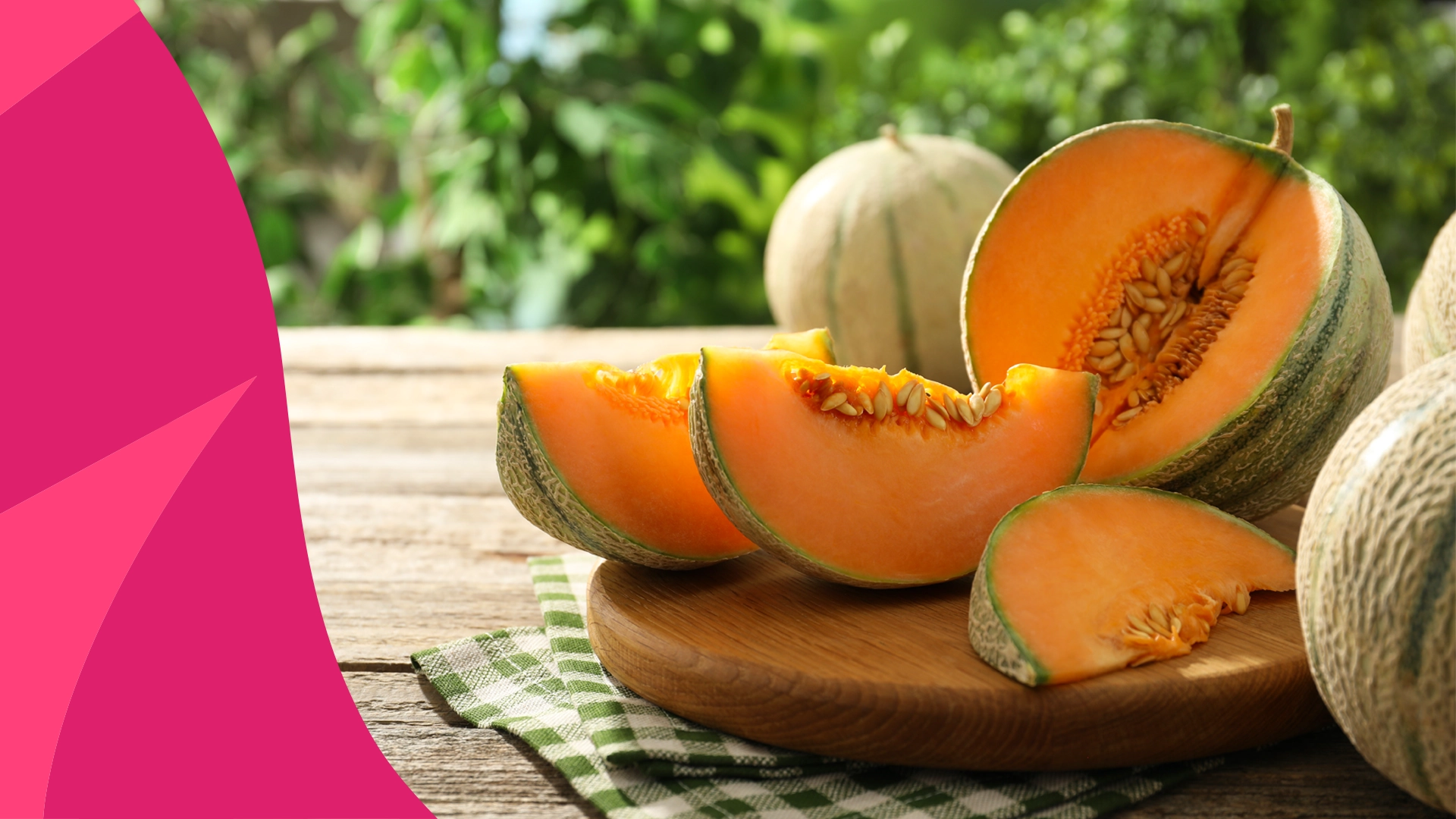
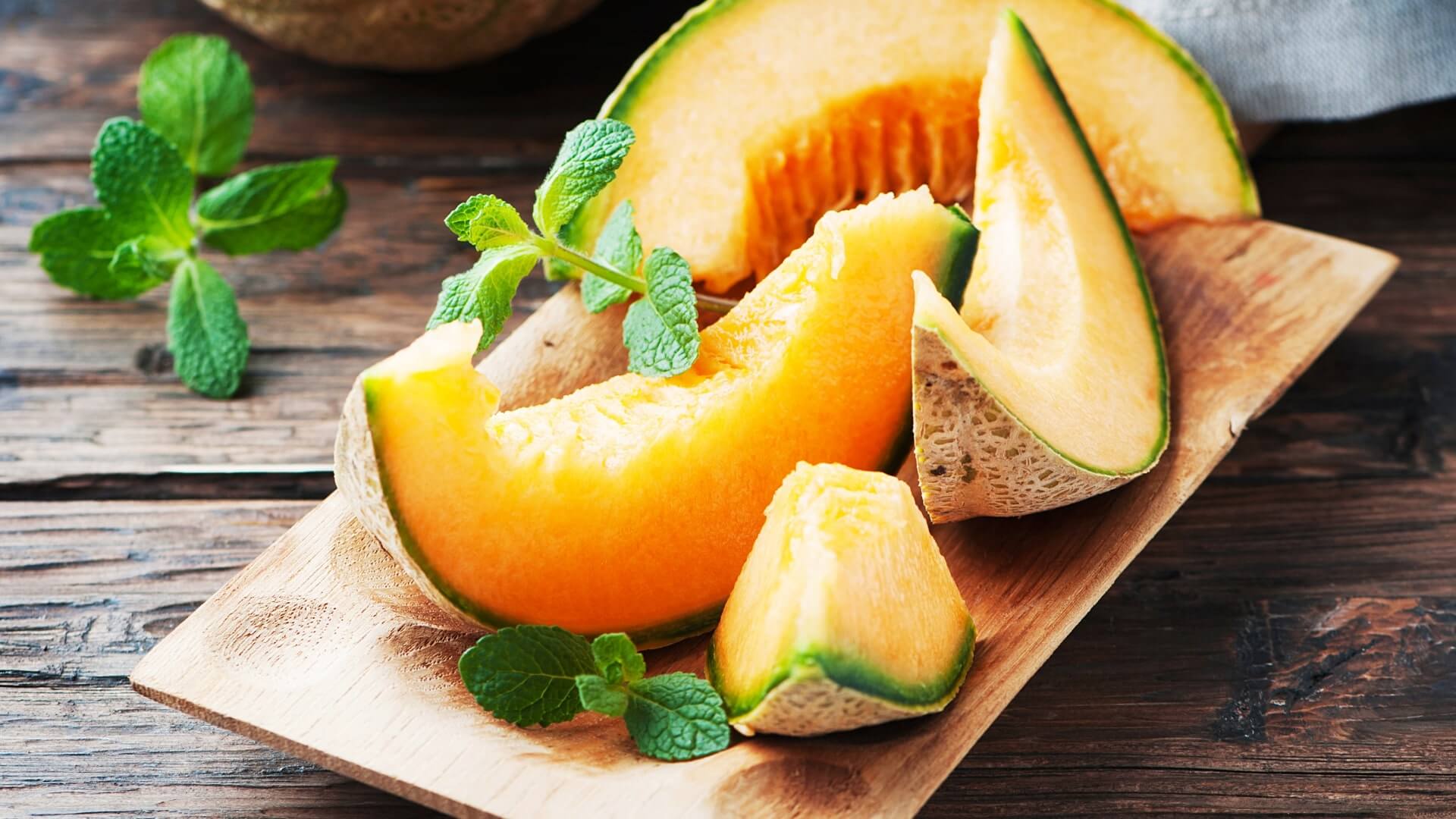
Cantaloupe is wholesome, flavorful, and adaptable. With roughly 60 calories and zero fat per 1-cup portion, this melon delivers concentrated nutrients and natural sweetness to a balanced eating plan.
The modest cantaloupe often doesn’t receive the acclaim given to other fruits, yet it deserves recognition. While adding any fruit to your routine can be beneficial, cantaloupe may be an especially smart pick.
This appealing variety of muskmelon is loaded with beneficial compounds. If you don’t routinely grab a cantaloupe on trips to the produce aisle, keep reading to discover reasons to start.
1. Beta-carotene
When it comes to beta-carotene content, cantaloupe outshines many other yellow-orange fruits.
Per the United States Department of Agriculture (USDA), cantaloupe contains more beta-carotene than:
- apricots
- grapefruit
- oranges
- peaches
- tangerines
- nectarines
- mangoes
Beta-carotene belongs to the carotenoid family. Carotenoids are pigments that produce the bright hues of many fruits and vegetables. The body can convert beta-carotene into vitamin A or use it as a potent antioxidant to neutralize free radicals that damage cells.
Vitamin A supports:
- vision health
- red blood cell production
- a robust immune system
2. Vitamin C
The USDA reports that 1 cup of cantaloupe provides about 17 milligrams (mg) of vitamin C.
The recommended dietary allowance (RDA) for vitamin C in adults 19 and older ranges from 90 to 120 mg, depending on factors like pregnancy or breastfeeding.
Vitamin C is involved in:
- collagen formation
- immune function
- protein metabolism
3. Folate
Folate, also called vitamin B9, refers to the natural form occurring in foods; folic acid describes supplements and fortified products.
Folate is widely recognized for helping to prevent neural tube birth defects such as spina bifida.
The general RDA for folate for individuals 14 and older is 400 mcg, with higher needs during pregnancy or lactation.
Two cups of cantaloupe deliver 44 mcg of folate, roughly 11% of the RDA for a nonpregnant adult.
4. Water
Like many fruits, cantaloupe is high in water. Eating cantaloupe helps maintain hydration throughout the day, which supports cardiovascular health.
Proper hydration reduces the strain on the heart when pumping blood. Staying well-hydrated also benefits:
- skin condition
- kidney performance
- weight control
- immune resilience
Mild dehydration can cause:
- lightheadedness
- headache
- less frequent urination
- dry skin
- dry mouth
- constipation
Severe dehydration can be dangerous and may lead to:
- rapid heartbeat
- low blood pressure
- confusion
- loss of consciousness
- shriveled skin
Dehydration is also linked to an increased risk of kidney stones.
While drinking fluids is the most effective way to hydrate, consuming water-rich fruits such as cantaloupe contributes as well.
5. Fiber
Fiber’s benefits extend beyond easing constipation. A diet high in fiber may lower the risk of heart disease and type 2 diabetes.
Adequate fiber intake can also help with weight management by promoting longer-lasting fullness.
6. Potassium
A slice from a medium cantaloupe supplies about 4% of the recommended daily potassium intake. Potassium is a key electrolyte mineral.
Per the American Heart Association, potassium helps maintain proper fluid balance between cells and bodily fluids.
Potassium is also essential for nerve function and muscle contraction. Snacking on potassium-rich foods like cantaloupe after exercise can help restore electrolytes lost through sweat.
Other vitamins and minerals
One cup of cantaloupe provides 1.3 grams of protein and traces of various vitamins and minerals, including:
- vitamin K
- niacin
- choline
- calcium
- magnesium
- phosphorus
- zinc
- copper
- manganese
- selenium
These nutrients contribute to cantaloupe’s reputation as a healthy fruit option.
How to pick a cantaloupe
Cantaloupes can be found year-round, but they’re sweetest and freshest in summer.
When selecting a ripe cantaloupe, choose one that’s evenly shaped and feels a touch heavy for its size. The rind should be a creamy, pale yellow-orange with minimal green. A ripe cantaloupe often emits a sweet, slightly musky aroma.
For optimal flavor, consume your cantaloupe within 3 days of purchase.
Ways to enjoy cantaloupe
Cantaloupe tastes great on its own or in a fruit bowl, but there are plenty of other creative uses. Examples include:
- Cantaloupe smoothie: A smoothie blending cantaloupe with Greek yogurt and a natural sweetener makes a satisfying breakfast or snack.
- Cantaloupe salad: Mixing cantaloupe into a salad with basil, fresh mozzarella, onions, red wine vinegar, and olives gives the melon a savory twist.
- Cantaloupe sorbet: You only need four ingredients to prepare this icy dessert: cantaloupe, lemon, honey, and water.
- Roasted cantaloupe:Roasting cantaloupe enhances its inherent sweetness.
The takeaway
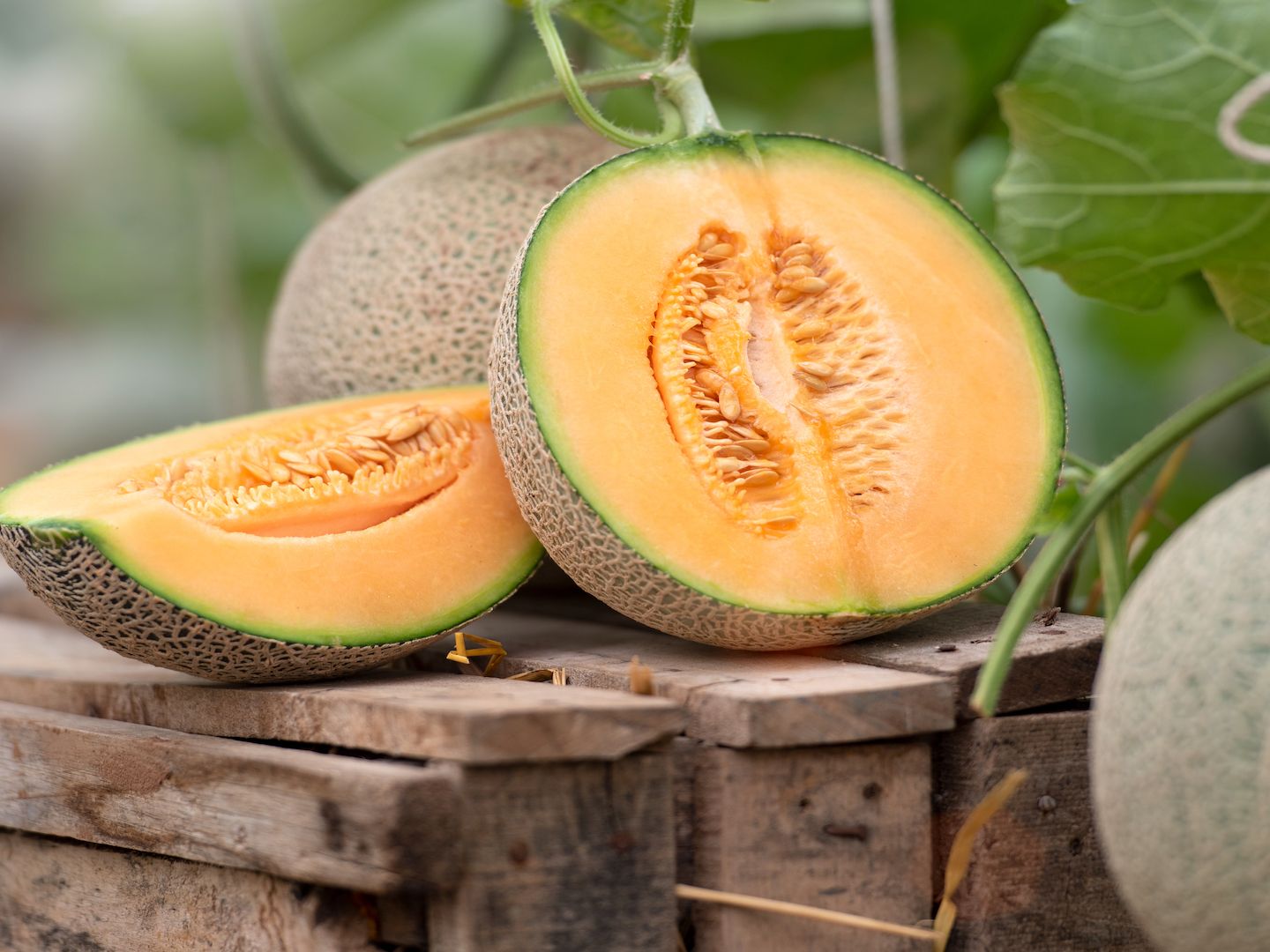
When considering melons, cantaloupe is hard to beat. It’s nourishing, flavorful, and flexible in recipes.
If you usually reach for watermelon or honeydew and overlook cantaloupe, you could be missing a great option. At about 60 calories and no fat per 1-cup serving, cantaloupe is an efficient way to add valuable nutrients and natural sweetness to a healthy diet.






















Leave a Reply
You must be logged in to post a comment.