

- DGL might reduce acid reflux symptoms by stimulating mucus secretion, which helps shield the stomach and esophagus from gastric acid.
- The FDA does not oversee licorice supplements, so formulations, dosages, and quality differ. Discuss possible interactions with your physician before using them.
- Other remedies for acid reflux include antacids, H2 blockers, and proton pump inhibitors. Consult a doctor if you need to use OTC drugs for more than two weeks.
There are numerous options for treating acid reflux. Most clinicians suggest over-the-counter (OTC) medications, while some people find relief with complementary approaches.
One alternative is deglycyrrhizinated licorice (DGL). Some individuals take this several times daily to help manage reflux symptoms.
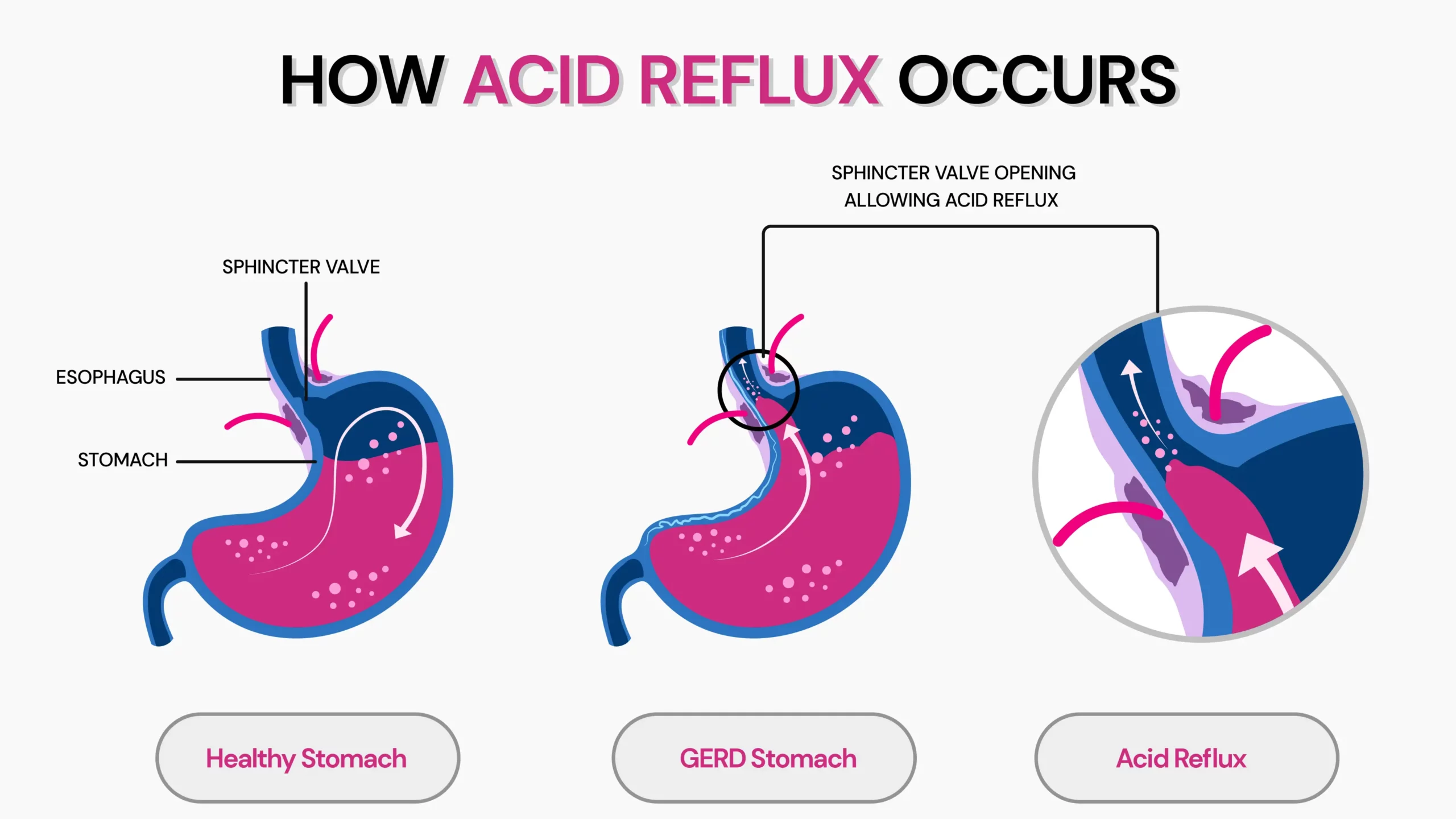
Acid reflux happens when the lower esophageal sphincter (LES) doesn’t fully close. The LES keeps food and digestive acid contained in the stomach. If it fails to seal properly, acid can flow back into the esophagus, causing a burning sensation.
DGL is a processed form of licorice created to be safer. Manufacturers remove much of a compound called glycyrrhizin, which reduces the risk of long-term adverse effects and lowers the likelihood of interactions with medical conditions or drugs compared with whole licorice extract.
Most licorice is sourced from parts of Asia, Turkey, and Greece. DGL is available in different formats, most commonly tablets or capsules.
What are the benefits of DGL?
Pros
- DGL may boost mucus production, which can protect the stomach and esophagus from acid.
- Preliminary research suggests licorice extract could have benefits against hepatitis C.
- Licorice has been used to help treat ulcers.
Historically, licorice root extract has been used by women to help regulate hormones during menstruation and menopause. Today, licorice appears in some home remedies.
People use licorice for sore throats, ulcer care, and to assist in clearing respiratory infections like bronchitis.
Licorice root may also have antiviral effects; clinical trials indicate that an injectable form of licorice extract demonstrated positive activity against hepatitis C. Further study is needed to confirm its therapeutic role.
Some physicians and holistic practitioners recommend DGL for reflux management.
A 2014 study indicated that DGL promotes mucus activity. This additional mucus can form a protective layer against stomach acid in the stomach and esophagus, allowing injured tissue to recover and helping to prevent recurrent reflux episodes.
A 2018 study reported that DGL outperformed acid-suppressive medications, corroborating earlier findings.
Risks and warnings
Cons
- The U.S. Food and Drug Administration (FDA) does not regulate licorice supplements, so product composition, potency, and purity can vary widely.
- Licorice can interact with other drugs and lead to dangerously low potassium levels.
- Pregnant individuals should avoid licorice, as it may raise the risk of preterm labor.
The FDA does not regulate herbal supplements and similar alternative remedies, so ingredients may differ by manufacturer.
You should avoid licorice if you take diuretics, corticosteroids, or medications that lower potassium. Licorice can potentiate these drugs’ effects and drive potassium to unsafe lows.
If you plan to use DGL, talk with your doctor about possible interactions.
People with heart disease or hypertension should be cautious with licorice extract. Pregnant people should not take licorice supplements because of a higher chance of preterm birth.
When treating reflux, coordinate with your physician. Opt for DGL instead of standard licorice extract to lessen interaction risks with other medications.
If you are using an alternative remedy that your clinician did not recommend, inform them. This helps ensure coordinated care and prevents conflicts with other therapies.
Other acid reflux treatment options
Several medications are available to manage acid reflux symptoms and treat the condition.
Antacids neutralize stomach acid and offer brief relief from reflux. They are intended for short-term use and are best for those with occasional reflux episodes.
H2 receptor antagonists and proton pump inhibitors (PPIs) suppress stomach acid for longer durations than antacids. Some are available OTC.
Examples include famotidine (Pepcid) and omeprazole (Prilosec). Your physician can prescribe stronger formulations if needed.
All medication types carry potential side effects. Antacids can cause diarrhea or constipation. H2 blockers and PPIs may increase the risk of bone fractures or vitamin B12 deficiency.
Consult your doctor if you use OTC acid reflux remedies for more than two weeks.
In uncommon cases, surgery may be required to repair the lower esophageal sphincter.
The takeaway
Acid reflux is common and can cause significant discomfort and esophageal injury.
Work with your physician to select the most appropriate treatment. If you choose to try an alternative like DGL, inform your doctor.
They can discuss potential side effects and ensure it’s safe for you and won’t interfere with any current medications.
Learn about other complementary approaches for acid reflux.


















Leave a Reply
You must be logged in to post a comment.