

Feeling dizzy in the days leading up to your period is fairly common. There are multiple possible explanations, most of which stem from shifts in hormones.
Other medical issues — such as iron-deficiency anemia, low blood pressure, or even early pregnancy — can produce dizziness. In some instances, the lightheadedness may be unrelated to your menstrual cycle entirely.
This article reviews typical reasons for dizziness before menstruation, options for treatment and prevention, and guidance on when to consult a healthcare professional.

Is it a sign of pregnancy?
Dizziness before your period can sometimes indicate pregnancy. Early-pregnancy lightheadedness arises from changes in the circulatory system that alter blood volume. A reduced blood volume may drop your blood pressure, leading to feelings of dizziness and faintness.
Dizziness linked to pregnancy commonly appears alongside other early pregnancy symptoms, like nausea and vomiting. If you don’t have additional signs, your lightheadedness is more likely due to other hormonal fluctuations.
Taking a pregnancy test on the first day you miss your period can help determine whether pregnancy is the cause.
Causes
1. PMS
Premenstrual syndrome (PMS) is a frequent condition that typically appears about five or more days before menstruation. Hormonal variation is believed to be responsible for many PMS symptoms.
Although research specifically linking dizziness to PMS is limited, some studies indicate that lightheadedness associated with fluctuating estrogen is a common PMS complaint.
2. PMDD
Premenstrual dysphoric disorder (PMDD) is a more intense form of PMS. People with PMDD suffer disruptive symptoms that can interfere with daily activities and may require both psychological and medical management.
The vascular changes that happen prior to menstruation can produce dizziness, and these sensations may be amplified in those with PMDD.
3. Dysmenorrhea
Dysmenorrhea is the medical term for painful menstrual periods.
One study of more than 250 college students looked at symptoms commonly tied to dysmenorrhea. Dizziness ranked as the second most reported symptom, with about 48 percent of participants noting lightheadedness related to their period.
4. Pregnancy
During early pregnancy, levels of estrogen and progesterone rise substantially. These hormonal shifts cause blood vessels to relax and dilate, which can lower blood pressure. Changes in blood pressure like this may lead to dizziness, faintness, and other vascular symptoms.
5. Anemia
In people of reproductive age, iron-deficiency anemia is often the result of menstrual blood loss. Low iron reduces red blood cell production, impairing oxygen delivery throughout the body.
If your periods are especially heavy, your bouts of dizziness may be explained by iron-deficiency anemia.

6. Low blood pressure
Low blood pressure can cause sensations of lightheadedness or dizziness. Several sex hormones exert a regulatory influence on blood pressure.
While testosterone tends to raise blood pressure, estrogen has been shown to lower it. Estrogen levels rise in the week before menstruation, which may reduce blood pressure and provoke dizziness.
7. Low blood sugar
Estrogen affects not only blood pressure but also blood glucose. Low blood sugar can produce many symptoms, including lightheadedness.
Blood sugar changes during menopause have been linked to fluctuations in estrogen. Comparable estrogen shifts during the menstrual cycle may likewise influence glucose levels.
8. Period-related migraine
Migraine is a neurological disorder marked by severe headache episodes and accompanying symptoms like dizziness, nausea, or vomiting. Hormonal changes are known migraine triggers.
Hormonal shifts before menstruation can provoke a menstrual migraine. These attacks can be driven by increased inflammatory prostaglandins and imbalances in serotonin.
9. Medications
Some medications list dizziness as a possible side effect. Studies suggest approximately 20–30 percent of people may experience dizziness from medicines.
Drugs that can cause dizziness or vertigo include certain antibiotics, diuretics, and anti-inflammatories. If you take these medications, you may notice heightened lightheadedness around your period.
10. Other health conditions
Various non-menstrual medical conditions can also cause dizziness. Examples include:
- benign paroxysmal positional vertigo (BPPV)
- Meniere’s disease
- chronic migraine
- infections such as labyrinthitis
When these disorders flare close to your period, it can be easy to mistake them for menstrual-related symptoms.
Other symptoms
Additional symptoms accompanying premenstrual dizziness depend on the underlying cause.
PMS, PMDD, and dysmenorrhea may involve mood swings, sleep disturbances, gastrointestinal upset, and more. Early pregnancy can bring increased urination, fatigue, and morning sickness in addition to lightheadedness.
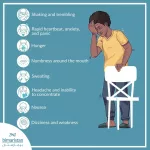
Low blood sugar and low blood pressure may produce more alarming signs like sweating, trembling, or even fainting. These warrant immediate medical attention.
Migraine episodes can include similar neurologic symptoms, but these generally resolve when the headache attack subsides.
During and after your period
Hormonal shifts are the main driver of dizziness before menstruation. Estrogen levels rise twice across the menstrual cycle — once during the follicular phase and again in the luteal phase. Because one of these estrogen peaks happens just before menses, that period often coincides with episodes of dizziness.
You might also feel dizzy around ovulation, when estrogen and progesterone reach high levels, which can influence symptoms as well.
Treatments
If hormone fluctuations are behind your premenstrual dizziness, certain lifestyle adjustments can help, such as:
- staying well-hydrated
- prioritizing adequate sleep
- maintaining regular physical activity
- eating a nutritious, balanced diet

For other specific causes of dizziness before your period:
- Iron-deficiency anemia. Diagnosis is by blood tests. Treatment may include iron supplements and dietary guidance to increase iron intake.
- Low blood pressure. If this is a factor before your period, keep hydrated, rise slowly from sitting or lying positions, and monitor for other symptoms.
- Low blood sugar. Hormone-related dips in blood sugar are often temporary. Eating regular, balanced meals and carrying snacks can help stabilize levels.
- Migraine. Avoiding known triggers through lifestyle changes is key; if attacks persist, consult your doctor about medications that may reduce frequency or severity.
For other medical conditions or medication-related dizziness, see your healthcare provider for diagnosis, treatment, and medication adjustments as needed.
Risk factors
Certain lifestyle factors may influence your hormones and raise the likelihood of premenstrual dizziness. These include:
- chronic stress
- excess weight
- a poor or unbalanced diet
- use of certain medications
- environmental exposures, such as toxins
Some medical disorders can disrupt hormone balance and make dizziness before your period more likely. The Endocrine Society provides a comprehensive list of genetic conditions that affect hormone regulation.
When to see a doctor
While some premenstrual dizziness can be a normal feature of PMS, pay attention to associated symptoms. If symptoms from PMS, PMDD, or dysmenorrhea interfere with your daily functioning, medications and therapies are available.
In general, if dizziness comes with more severe signs or affects your ability to function safely, consult your healthcare provider to rule out other causes.
The bottom line
Dizziness before your period is frequently caused by the hormonal fluctuations of the menstrual cycle. Conditions such as PMS, PMDD, and dysmenorrhea are common culprits. Other causes of dizziness, including low blood pressure, can also be tied to hormonal changes.
Simple lifestyle modifications can alleviate many symptoms. If dizziness is severe, persistent, or accompanied by worrying symptoms, seek medical evaluation for an accurate diagnosis and treatment plan.
For more on related symptoms, see our article on dizziness and fatigue.





















Leave a Reply
You must be logged in to post a comment.