

Key takeaways
- Ketamine therapy is gaining attention as a potentially rapid alternative for some people with anxiety who haven’t responded to conventional treatments, possibly by swiftly increasing glutamate signaling in the brain.
- Although the FDA has only authorized a specific ketamine product for treatment-resistant depression, clinicians are using ketamine off-label to address anxiety through several delivery methods.
- Evidence indicates ketamine may lessen anxiety symptoms, particularly when combined with psychotherapy to tackle root issues. Still, it’s crucial to weigh possible side effects and consult experienced professionals.
Ketamine was first created in the 1950s and adopted in the 1960s as a general anesthetic for procedures because of its analgesic and sedative properties.
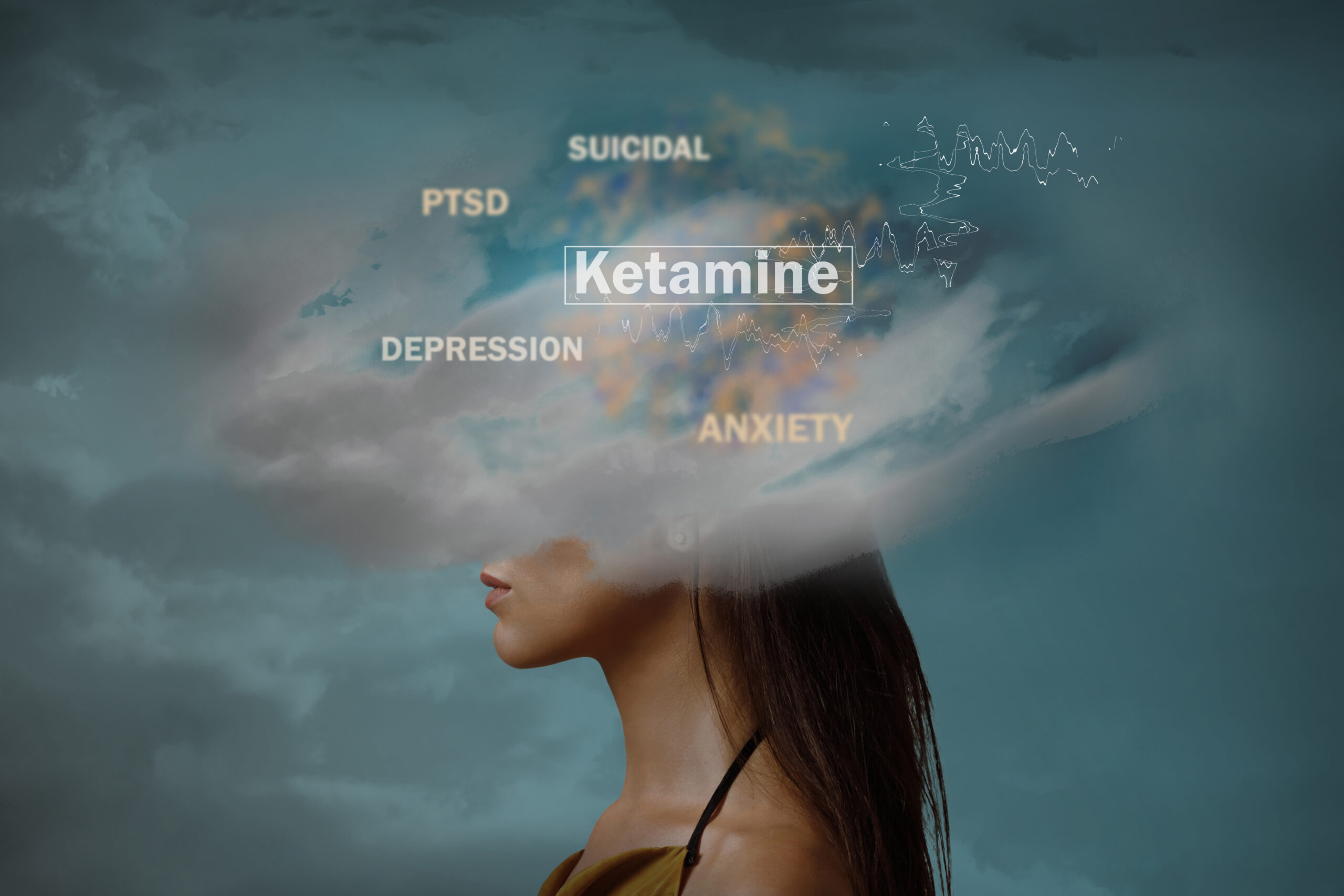
More recently, scientists have been exploring ketamine’s potential for treating certain psychiatric conditions, including anxiety, depression, and post-traumatic stress disorder.
Although multiple medications exist for anxiety, studies suggest roughly 50% of individuals treated for generalized anxiety disorder (GAD) are “treatment-resistant,” meaning they don’t improve after a standard medication course.
Growing numbers of clinicians think ketamine could be a viable option for anxiety that has not responded to other strategies.
The FDA has only approved one formulation of ketamine for treatment-resistant depression, not for anxiety. Still, some doctors prescribe ketamine “off-label” for anxiety. This practice, often called ketamine therapy, is an area of expanding research.
Below is a closer examination of how ketamine therapy might assist with anxiety, the associated risks, and how to locate a qualified mental health professional to provide ketamine treatment.
How it works
According to Khaled Bowarshi, MD, a psychiatrist at Florida TMS Clinic, ketamine seems to rapidly enhance glutamate activity, a neurotransmitter involved in mood, memory, and learning.
Researchers are still clarifying the precise mechanisms by which this reduces anxiety, but some studies indicate chronic stress can disrupt glutamate balance and impair the brain’s capacity to adapt and grow.
Dr. Bowarshi suggests ketamine may help by reestablishing that balance and promoting the brain’s ability to form new neural connections.
This enhancement of neuroplasticity might allow people to move out of damaging thought patterns and develop healthier ones, potentially easing anxiety symptoms.¹
Ketamine vs. other medications
Conventional anti-anxiety drugs typically work by increasing other neurotransmitters, such as serotonin, before influencing glutamate systems.
Ketamine is distinct because it directly activates glutamate, which can produce quicker results. For example, while many anti-anxiety medications require 2 to 6 weeks to become effective, ketamine has been shown to alleviate anxiety within 3 hours in some cases.
Bowarshi adds that ketamine has demonstrated benefits for both GAD and social anxiety disorder.
Ketamine treatment types
Ketamine is administered in several formats:
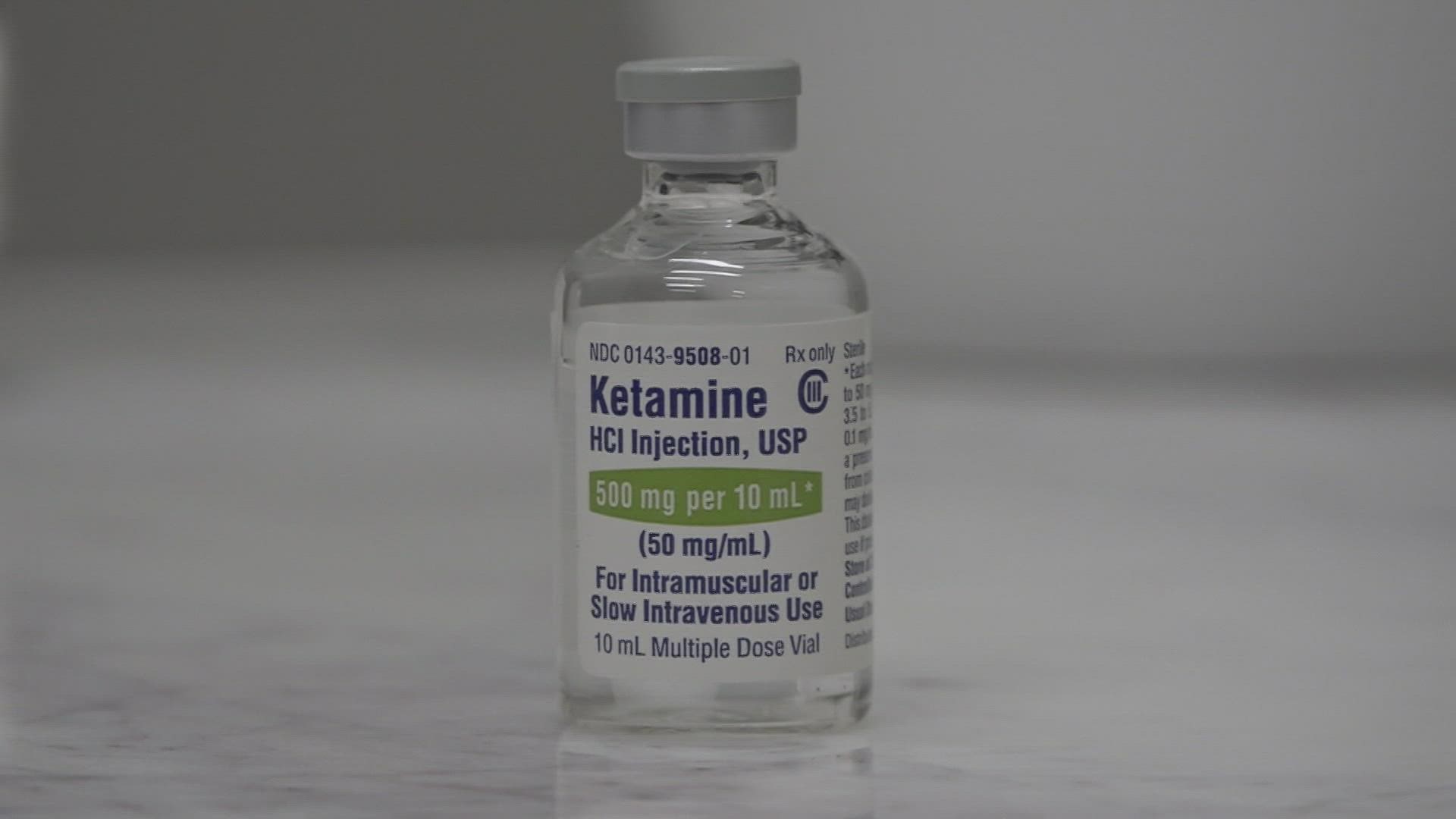
- Intravenous (IV) ketamine infusions: A controlled IV infusion delivers ketamine directly into the bloodstream. This is performed only in clinical or hospital environments.
- Intramuscular (IM) injections: Injections are given into a large muscle, such as the thigh or arm, typically in a clinic or hospital.
- Sublingual tablets (lozenges): This form is prescribed for at-home use, either as a standalone treatment or for maintenance between IV or IM sessions. The tablet is placed under the tongue to dissolve. Absorption is slower, so it’s generally seen as less potent than other routes. Note that this form isn’t FDA-approved for anxiety, so insurance usually won’t cover it.
- Nasal spray: Spravato (esketamine) must be administered in a clinic or doctor’s office under observation due to potential side effects. The typical regimen is once or twice weekly for the first 8 weeks, then once weekly or every other week during maintenance. Sometimes it’s used together with standard anti-anxiety medications.
IV infusions and nasal sprays are the most frequently used delivery methods for ketamine in treating treatment-resistant depression in clinical practice. Still, some clinics use sublingual ketamine lozenges off-label for anxiety.

How effective is it?
Currently, research into ketamine for depression outpaces that for anxiety.
Nevertheless, a 2021 review determined that ketamine may be a safe and efficacious option for people with anxiety disorders.
Generalized and social anxiety
A 2022 review reported that single-dose ketamine infusions reduced panic, irritability, and other anxiety symptoms in individuals with GAD and social anxiety disorder.
Higher ketamine doses produced stronger effects than lower doses, and symptom relief sometimes persisted for up to 2 weeks.
Phobias
Some studies indicate ketamine might be useful for specific phobias.
For instance, a small 2021 study found that participants who received subcutaneous ketamine injections reported reduced agoraphobia symptoms — fear of being in places or situations where escape might be difficult.
Also, a 2021 systematic review observed that ketamine can rapidly lower anxiety in people with social anxiety disorder and GAD, particularly at higher doses (1 mg/kg).
The review reported:
- effects often persisting up to 7 days after a single dose
- repeated sessions helping to sustain relief for months
- symptoms sometimes returning within two weeks after cessation of treatment
Obsessive-compulsive disorder (OCD)
OCD is characterized by intrusive thoughts and compulsive behaviors tied to anxiety.
The same 2021 systematic review found that ketamine can rapidly reduce symptoms in people with treatment-resistant OCD.
- A single IV infusion produced reduced OCD symptoms lasting up to 7 days after administration.
- Approximately half of participants showed a 35% or greater symptom reduction compared to none in the placebo group.
- Improvements are often temporary, in some cases lasting only a few hours.
It’s worth noting that many of these studies had small sample sizes.
The verdict
“Ketamine may offer a distinctive alternative for both immediate symptom relief and ongoing maintenance,” says Bowarshi.
However, Kate Daly, MD, Medical Director of All Points North, emphasizes that ketamine tends to be most beneficial when combined with psychotherapy. Therapy can address the root causes of anxiety while ketamine helps calm the mental and physiological symptoms.
Not sure where to begin? Our guide on finding the right therapist can be a helpful resource.
Are there any side effects?
Ketamine therapy typically uses relatively low doses, and adverse effects are commonly mild and transient.
Still, Julian Lagoy, MD, a psychiatrist with Mindpath Health, cautions that ketamine is usually not recommended for people who are pregnant or breastfeeding or those diagnosed with schizophrenia.
Discuss potential risks with your clinician if you have:
- uncontrolled high blood pressure
- a history of substance use disorder (ketamine can lead to physical and psychological dependence)
- a history of psychosis
- cardiac disease
- a history of elevated intracranial pressure
Even if none of those apply, Bowarshi notes ketamine can produce side effects such as:
- nausea and/or vomiting
- dizziness
- dissociation — an out-of-body sensation involving detachment from thoughts, identity, and feelings
- sleepiness
- elevated blood pressure and/or heart rate
- visual disturbances, like double or blurred vision
- perceptual shifts, for example feeling that time is slowing or speeding up
These side effects are more likely with higher doses.
Given some of these reactions, it’s advisable to avoid driving or operating heavy machinery until the day after treatment.
Some delivery methods carry specific risks. Daly points out that IV ketamine can sometimes cause complications like nerve damage or infection, which is why choosing a reputable clinic with medical staff is essential.
Ketamine can also occasionally increase anxiety. That’s another reason to work with a qualified clinician who can monitor symptoms and help manage adverse effects.
How to try it
If you’re considering ketamine therapy for anxiety, begin by consulting the provider who oversees your current treatments. They may refer you to a specialist experienced with ketamine therapy.
You can also search for ketamine providers independently, but exercise caution. Standalone ketamine clinics and telehealth services are proliferating, and not all conduct thorough screening or employ qualified medical staff.
What to look for in a clinic
The American Society of Ketamine Physicians, Psychotherapists, and Practitioners recommends evaluating clinics based on:
- Additional mental health services: Ketamine often works best as part of a broader care plan. Look for clinics offering extra supports like group therapy or medication management.
- Physicians on staff: Clinics should have board-certified physicians with relevant mental health experience. Verify their licensure via your state medical board.
- Clinic track record: When possible, choose clinics that have been operating for at least 2 years and check for online reviews.
- Medical claims: While promising, ketamine is not a guaranteed cure. Avoid clinics making exaggerated claims about outcomes.
- Screening: Reputable clinics will require one or more consultations to determine if ketamine is appropriate and safe for you. These visits should cover symptoms, treatment objectives, and medical history.
If you receive ketamine tablets for home use, Lewis recommends having a trusted person nearby in case issues arise.
“This also helps with processing intense emotional experiences or discomfort,” he adds.
If you get infusions, injections, or nasal sprays in a clinic, Lagoy says you’ll need someone to drive you home afterward.
Be prepared to pay out of pocket. Because ketamine for anxiety is typically an off-label use, most insurers will not cover the cost.
Takeaway
Evidence for ketamine as a treatment for anxiety is limited but growing, particularly for cases that don’t respond to other approaches. It remains an emerging option and may not suit everyone.
Consult your primary care clinician or psychiatrist to assess whether ketamine could help reduce your anxiety symptoms.
When considering ketamine, learn about possible side effects and arrange for a trusted support person to accompany you through the experience.
Remember that ketamine does not cure anxiety; continued work with a therapist is typically needed to sustain improvements.



















Leave a Reply
You must be logged in to post a comment.