
Hyperkalemia, or elevated potassium, occurs when potassium concentration in the bloodstream rises above about 5.0 mmol/L. Choosing foods lower in potassium can help reduce the risk of cardiac and renal complications.
Vitamins and minerals are essential for proper cellular, nerve, and muscle activity.
But excessive amounts of certain minerals — potassium included — can be detrimental.
Hyperkalemia is defined when blood potassium exceeds the normal window of 3.5 to 5.0 mmol/L. Chronic kidney disease (CKD) is the most frequent cause.
Other contributors can include:
- medicines that hinder normal potassium elimination through urine
- specific health problems such as poorly controlled diabetes or Addison’s disease
- in uncommon situations, excessive dietary potassium intake
If blood potassium rises beyond the safe threshold, the muscles controlling your heart and lungs may malfunction. This can gradually produce:
- muscle weakness
- gastrointestinal disturbances
- numbness
- tingling sensations
Some medications can assist in controlling potassium levels. Yet, for individuals with uncontrolled diabetes or kidney impairment, clinicians may also recommend a diet low in potassium.
Below are six nutritious, flavorful, low-potassium dishes you can try this week.
Sudden and severe hyperkalemia
Occasionally, hyperkalemia can develop suddenly and severely, creating a life-threatening situation.
Seek urgent medical care if you have any of the following:
- palpitations
- difficulty breathing
- chest discomfort
- nausea
- vomiting
1. Crab cakes
This kidney-aware crab cake dish provides about 116 milligrams (mg) of potassium per portion.
The complete recipe yields eight portions (one cake each).
Ingredients:
- 120g crab meat
- chopped fresh parsley
- 1 clove garlic
- 1/4 cup diced red pepper
- 1 green onion, chopped
- 1 egg
- 1 tsp lemon juice
- 1/4 cup bread crumbs
- black pepper to taste
- vegetable oil
2. Homemade pan sausage
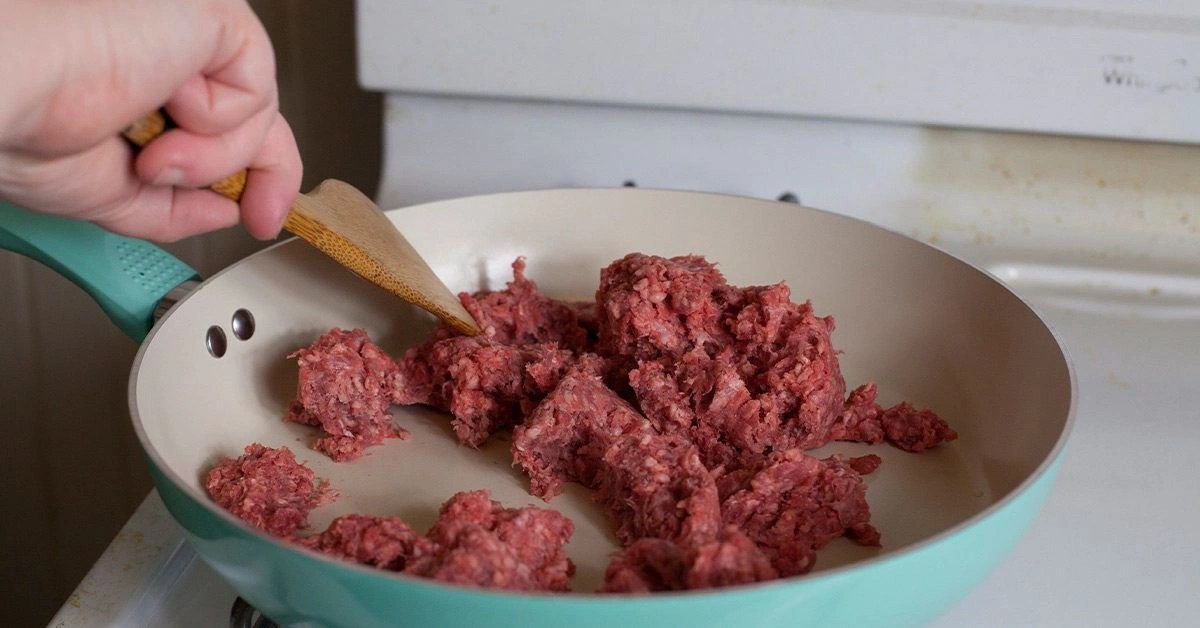
These homemade pan sausages can be prepared with your preferred ground meat. They work well for breakfast or in salads and sandwiches.
Each sausage has roughly 87 mg of potassium.
The full instructions make 12 portions so you can freeze extras for later.
Ingredients:
- 1 lb. lean ground beef, turkey, pork, or chicken
- 2 tsp. ground sage
- 2 tsp. granulated sugar
- 1 tsp. ground black pepper
- 1/2 tsp. ground red pepper
- 1 tsp. basil (optional)
- cooking spray
3. Stuffed green peppers
Stuffed peppers offer a sweet, smoky flavor and pair nicely with many sides.
This recipe makes six stuffed peppers, each with about 160 mg of potassium.
Ingredients:
- 6 small green peppers
- 1/2 lb. lean ground beef, turkey, or chicken
- 2 tbsp. vegetable oil
- 1/4 cup onions
- 1/4 cup celery
- 2 tbsp. lemon juice
- 1 tbsp. celery seed
- 2 tbsp. Italian seasoning
- 1 tsp. black pepper
- 1/2 tsp. sugar
- 1 1/2 cups cooked rice
- paprika
4. Jalapeño pepper chicken
This zesty recipe is for those who enjoy a spicy bite. Each serving contains only about 160 mg of potassium.
The complete recipe makes eight portions.
Ingredients:
- 3 tbsp. vegetable oil
- 2-3 lbs. chicken
- 1 onion
- 1 1/2 cups low-sodium chicken bouillon
- 1/2 tsp. ground nutmeg
- 1/4 tsp. black pepper
- 2 tsp. fresh jalapeño peppers
5. Angel hair pasta with peppers and chicken
This protein-filled entrée has about 191 mg of potassium per portion.
The complete directions yield 8 servings, making it convenient for meal prep.
Ingredients:
- 1 tsp. olive oil
- 1 tbsp. minced garlic
- 1 large red bell pepper
- 3/4 can of sliced water chestnuts, 8 oz.
- 1 cup sugar snap pea pods
- 6 thick slices of smoked deli chicken
- 1 tbsp. onion powder
- 1/4 tsp. ground black pepper
- 1 pinch of salt
- 1 cup chicken broth
- 2 packages angel hair pasta, 8 oz.
6. Apple-stuffed pork chops
This sweet and savory dish is a cozy autumn favorite. Each serving contains around 170 mg of potassium.
The full recipe makes six servings.
Ingredients:
- 6 thick pork chops
- 1 tbsp. chopped onion
- 1/2 cup butter
- 3 cups fresh breadcrumbs
- 2 cups chopped apples
- 1/4 cup chopped celery
- 2 tsp. chopped fresh parsley
- 1/4 tsp. salt
- salt and pepper to taste
- 1 tbsp. vegetable oil
Foods to limit
The Dietary Guidelines for Americans suggest daily potassium intakes of about 3400 mg for adult men and 2600 mg for adult women (19 and older).
However, if you have hyperkalemia or conditions that promote it — such as kidney disease or uncontrolled diabetes — you may need to reduce your potassium intake.
A healthcare provider can design a meal plan that is nutritious, palatable, and tailored to your needs.
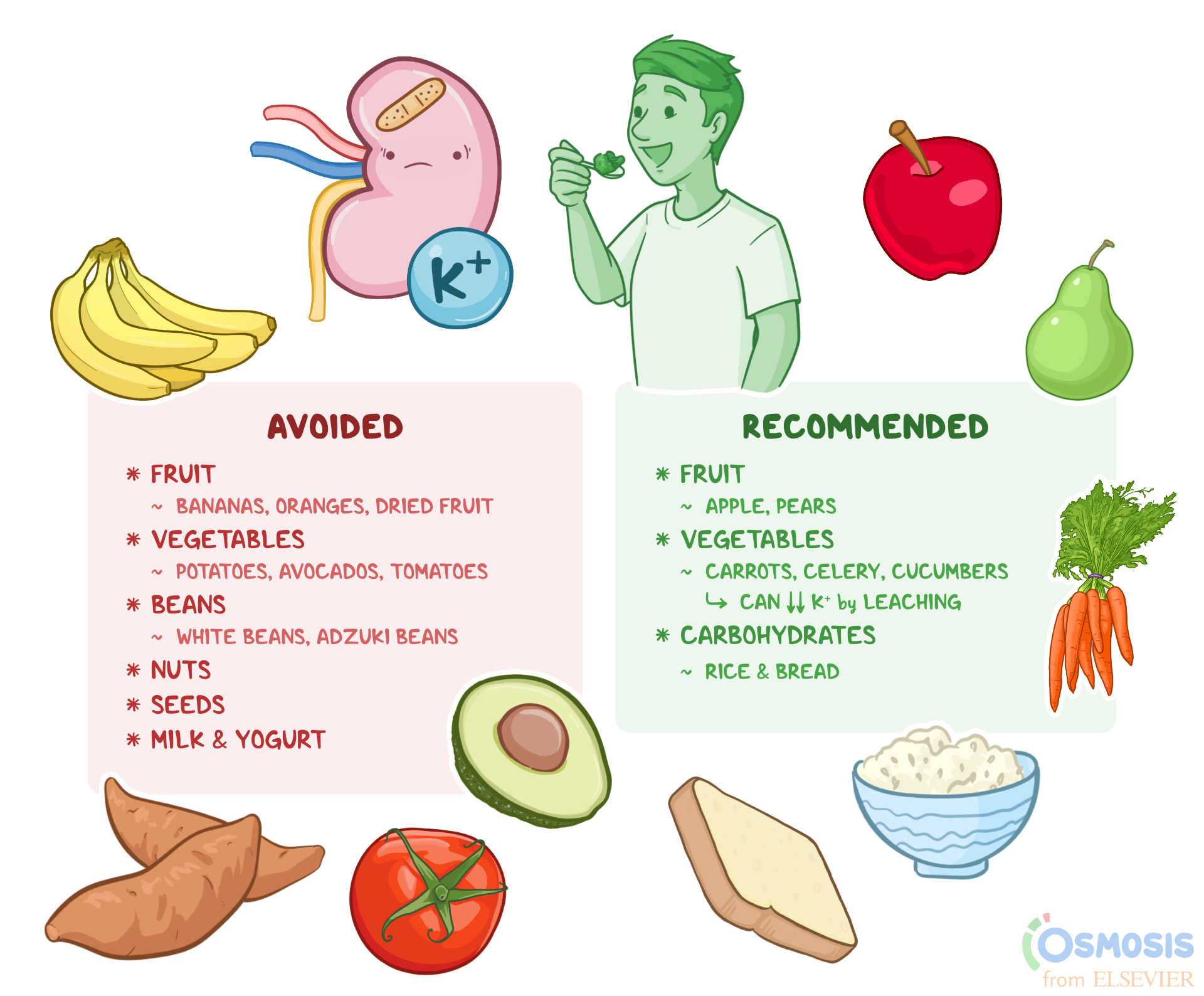
Below are some examples of foods higher and lower in potassium:
| Higher | Lower | |
|---|---|---|
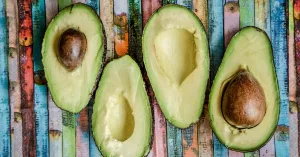
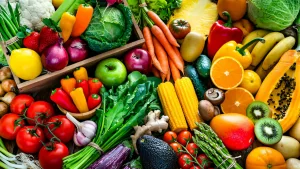
| Fruits | • avocados• oranges• bananas• apricots• kiwis• mangoes• cantaloupe | • apples• berries• grapes• grapefruit• pears• pineapple |
| Vegetables | • potatoes• tomatoes• winter squash• pumpkins • mushrooms • spinach • beetroots | • asparagus• green peas or beans• cabbage• carrots• corn• cucumber• eggplant• lettuce• onions |
| Other | • breakfast cereals with dried fruit• milk and dairy products• salt substitutes• orange juice• legumes, like chickpeas and lentils | • Rice, pastas, and breads that aren’t whole grain• herbs and spices |
If you have kidney disease, you may also need to restrict sodium, calcium, and phosphorus. People with diabetes might need to keep a close eye on blood sugar, too.
Various medications can also assist in lowering potassium.
For instance, diuretics may help remove excess potassium via urine, while potassium binders attach to surplus potassium in the intestines so it’s expelled through bowel movements.
Takeaway
Following a low-potassium eating plan can help treat hyperkalemia and reduce the risk of potentially fatal heart problems.
Some people can manage with dietary changes alone, whereas others will need medications to maintain potassium within a safe range.
Consult your physician to determine the most suitable treatment approach for you.

















Leave a Reply
You must be logged in to post a comment.