

When people hear the term tantric sex, the unfamiliar — or at least the misconstrued — can feel a bit daunting.
Tantra and tantric sexual practices are often associated with intense bedroom rituals (think extended climaxes), but the traditions tied to tantra may actually enhance your sexual well-being.
What is tantra?
Tantra is an age-old spiritual system centered on investigating one’s own identity. It’s intended to help someone “experience the truth and reality of oneself and the world.” Put simply, tantra is a pleasure-focused approach that promotes self-exploration and present-moment awareness. It resembles meditation and can yield benefits both inside and outside the bedroom.
“In the early 19th century, tantra and tantrism was associated with secret occult power,” says Dr. Janet Brito, a licensed psychologist and certified sex therapist with the Center for Sexual and Reproductive Health. “By the mid- to late 20th century, tantra meant sexuality, openness, and liberation…[but] there’s no consistency in its denotations and connotations.”
Modern tantric sexual practices emphasize intention and self-discovery. Because the focus is on personal pleasure, masturbation is an ideal way to begin. You can learn what works for you without the added stress of experimenting with another person.
“[It’s] less about performance and more about pleasure, deep connection, solo intimate pleasure,” Dr. Brito explains. “It isn’t just to get the job done and get off, but about slowing down and getting to know yourself more erotically. It’s about having a pleasure-based mindset, full of curiosity and self-discovery.”
Yes, tantric masturbation isn’t solely about reaching orgasm. Research indicates orgasms and sexual activity offer a variety of advantages. But masturbation involves more than just crossing the finish line.
According to Planned Parenthood, masturbation can help you:
- relieve stress
- raise self-confidence
- enhance your overall sexual experience
And because tantra is intentionally focused, Dr. Brito notes that this “pleasure-centered sexuality” prioritizes understanding yourself and how you feel pleasure rather than satisfying someone else. (That effectively makes tantric masturbation a form of self-care.)
How to practice tantric masturbation
Trying tantric masturbation is primarily an exercise in exploration. Dr. Brito recommends taking time to learn your sexual history and practice self-acceptance — without judgment.
“Slow down, take your time, make the time to get to know yourself,” Dr. Brito says. “It’s fine to have fantasies [or] engage in sexual imagining… [just] listen to your body.”
There aren’t rigid rules for tantric masturbation since there’s no universal recipe for sexual pleasure. What pleases you may not do the same for someone else, and that’s perfectly normal. Also keep in mind tantric masturbation emphasizes the journey and body sensations rather than aiming for a single outcome like an orgasm.
If you want to try tantric masturbation, here are some general pointers to begin with:
1. Make a space that feels safe, cozy, and calming
Prepare an atmosphere conducive to relaxation and allow yourself enough time to explore. Lighting a candle might be a simple starting point. Engage multiple senses and permit yourself to focus on, well, you. What kind of setting will make you feel most at ease?

Remember tantra is more of a continuous practice that can deepen your sexual awareness rather than a fixed technique for reaching orgasm. The aim is to discover more about what you enjoy. If that feels intimidating, try this straightforward approach: find your pleasure.
2. Explore your body and preferences
Keep breathing and tune into the overall sensations. Whether you begin with a fantasy or sexual imagery is up to you. What matters is discovering what you like, without judgment or censorship.
Remove pressure or expectations about what you “should” be doing and concentrate on learning what brings you pleasure.
3. Take your time
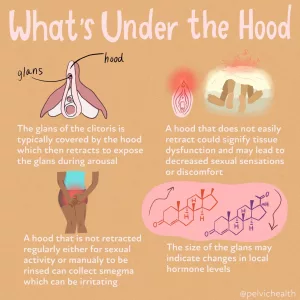
It’s tempting to hurry toward the finale — whether that means clitoral touch, penetration, or another path to orgasm — but tantra encourages savoring the process and understanding your body.
One study notes that while over a third of women require clitoral stimulation to climax, the type, location, pressure, and even pattern of touch that feels pleasurable differ widely between individuals.
This means a little self-investigation can go a long way. For some, that may mean exploring erogenous zones or discovering different methods of pleasure, such as locating and stimulating the G-spot. For others it could be experimenting with fingers or a toy.
Focus on what you personally prefer, whether that means learning new things or enjoying familiar pleasures.
4. Don’t overthink it
If it takes time to get in the groove, that’s completely okay. Tantra is about learning what brings you joy and cultivating self-love.
Dr. Brito points out that a bit of self-compassion has useful payoffs. She notes practicing tantra and tantric masturbation can enhance body awareness, strengthen your relationship with yourself, and clarify your sexual needs, which in turn can improve your sex life.
The takeaway
No matter your reasons for exploring tantra and tantric masturbation, the practice’s beauty lies in its focus on the individual. Rather than following strict rules or prescribed steps, it’s about discovering what pleases you — and that’s always a positive thing.
For women specifically, accepting unsatisfying sex as normal is a thing of the past. Finding what feels amazing and enjoying its rewards? That’s something worth celebrating.




















Leave a Reply
You must be logged in to post a comment.