
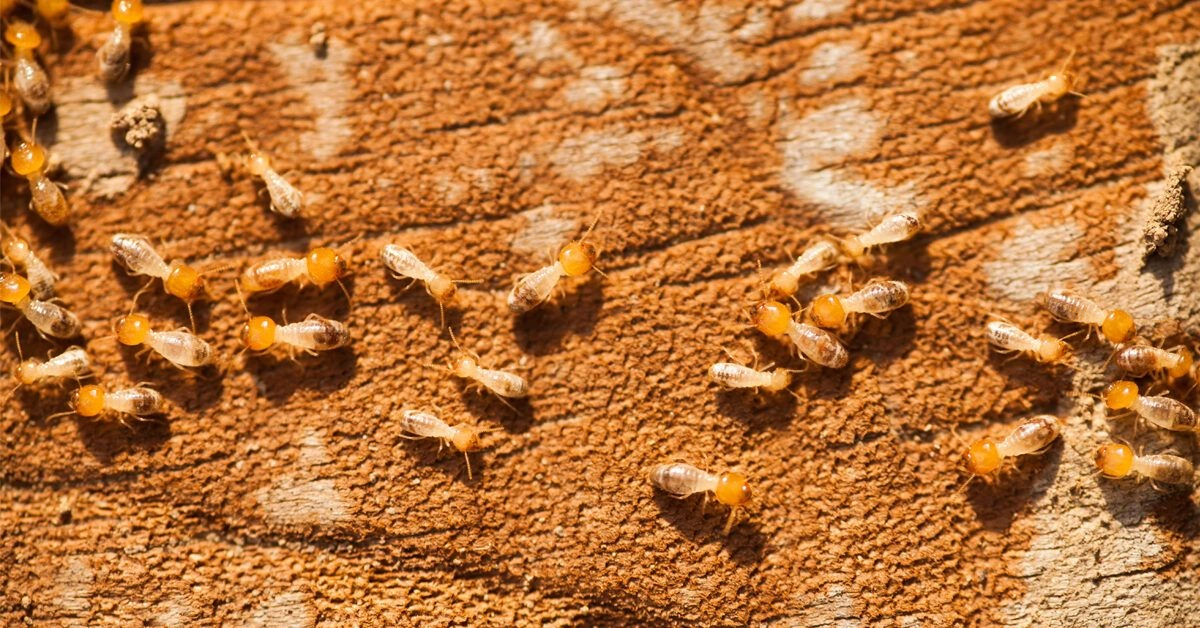
Termite bites can occur, but they are exceedingly uncommon. In most situations, they can be handled at home without medical intervention.
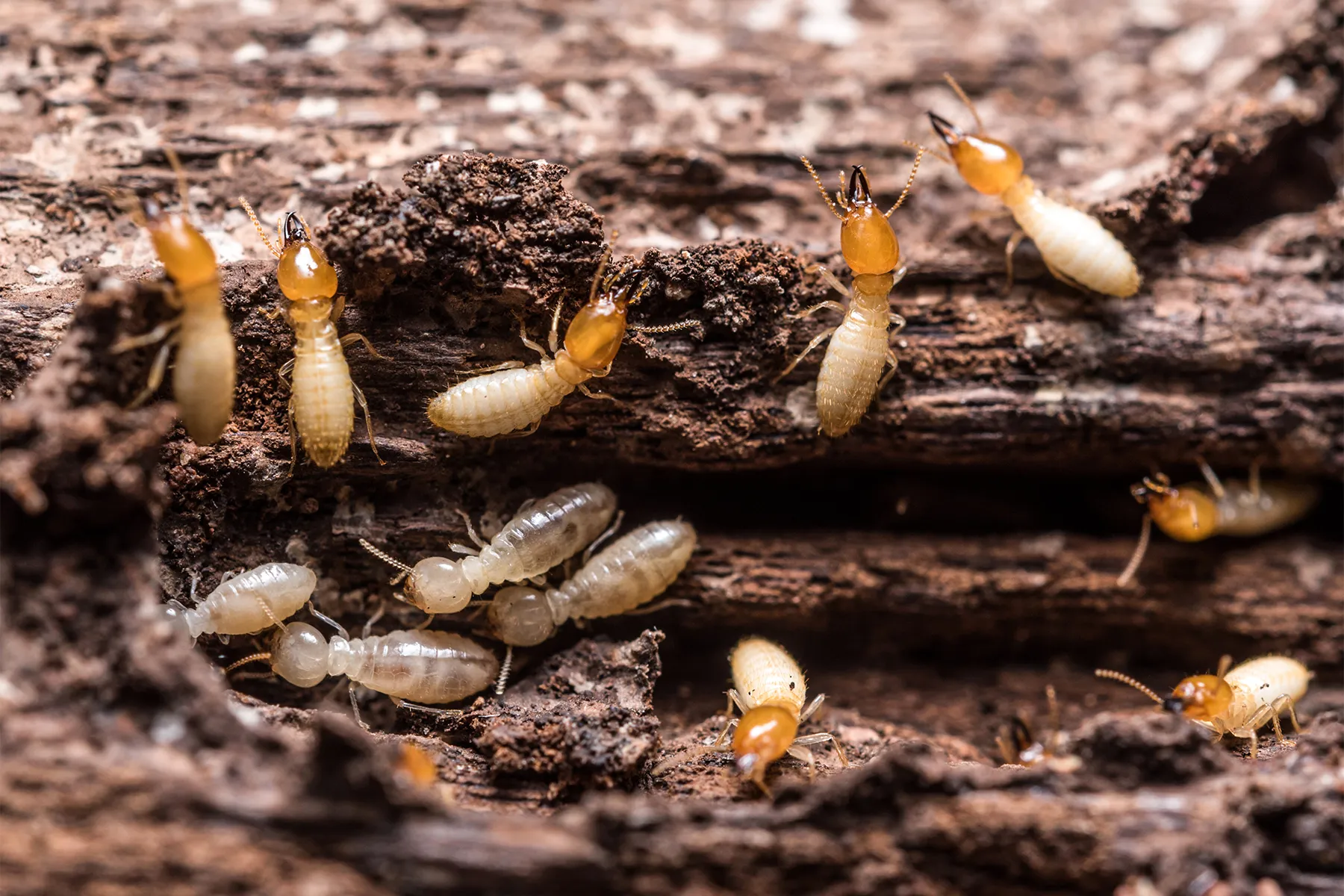
Termites are invertebrate insects that form colonies and consume wood and other plant-derived materials. They rarely bite people and do not pose a significant threat to humans; their primary danger is the damage they inflict on wooden structures.
Termites prefer dark, often moist environments. They are typically pale white to light brown and have straight antennae. Colony sizes vary widely, from a few individuals to millions. The queen and king are the largest members, while workers are the smallest.
Common termite types in the United States include:
- subterranean termite
- dampwood termite
- drywood termite
They inhabit wood in buildings or natural settings like forests. In the U.S., they are present in every state except Alaska. Worldwide, there are about 2,600 termite species.
Do termites bite people?
Termites very seldom bite humans. Even if your home has a termite problem, these insects do not target people or other animals like blood-feeding parasites. Their diet consists of wood and other plant material.

Within a colony there are different castes. The one most capable of biting is the soldier, but such incidents are still unlikely.
Soldiers have stronger, more developed jaws than workers to defend against predators such as ants. Their heads are larger and darker (brown) compared with the pale workers. Soldiers lack wings and eyes.
It’s more probable that a different insect caused a skin bite, such as a:
- flea
- bedbug
- chigger
- mosquito
- tick
What about winged termites — can they bite?
Winged termites are not dangerous to people. In mature colonies, certain termites grow wings to swarm during warm periods, mate, and establish new colonies. They have equal-length wings and straight antennae and may be yellowish or black. They do not bite humans.
What does a termite bite look like?
You’re unlikely to notice a termite bite. These insects have very small mandibles, and bites on humans or animals are uncommon.
It’s far more likely another insect caused the bite. Typical signs of insect bites appear on the skin and may include:
- redness
- raised, swollen areas
- irritation
- itchiness
- pain
If symptoms worsen, fail to improve, or could stem from a more hazardous insect, consult a healthcare provider for diagnosis and appropriate care.
Risks and complications from termite bites
Unlike some biting insects that can transmit diseases, termites are not known to pass infections through bites. When bites do occur they tend to be minor due to the insect’s small size and limited biting power.
Any break in the skin can become infected, however. Monitor the area and contact a doctor if you develop a fever or if the bite site becomes increasingly red, swollen, painful, or otherwise worse over time.
Home remedies for suspected termite bites
Although it’s unlikely a termite caused your bite, if you were near a termite nest and experience bite-like symptoms, you can follow general home care measures for insect bites. Basic first aid includes:
- Clean the area with soap and water.
- Use a cold compress to ease discomfort.
- Watch for changes such as more swelling or increasing pain. Over-the-counter antihistamines can help with itching or swelling, and acetaminophen can relieve pain.

Optum Now is operated by RVO Health. By clicking on this link, we may receive a commission. Learn more.
When should you seek medical care?
See a healthcare professional if you’re unsure what bit you, if symptoms progressively worsen, or if there are signs of infection like fever. Seek emergency help if you experience breathing difficulties, dizziness, or lightheadedness.
Are termites a threat to people, pets, or homes in other ways?
Although termite bites rarely affect health, termites pose a serious threat to buildings because they can destroy structural wood. An infestation can cause significant damage that compromises a home’s safety and necessitates extensive repairs.
What attracts termites to a property?
Termites invade buildings and consume wood components, hollowing them out and weakening the structure.
Preventive and mitigation measures include:
- Construct barriers between the soil and wood on concrete foundations with a gap between soil and wood in new builds.
- Seal wood surfaces during construction.
- Ensure proper drainage around your yard and foundation.
- Maintain the exterior of your house and repair any cracks or gaps.
- Prevent water accumulation near or inside the house.
- Trim back vegetation near entry points.
- Avoid stacking firewood against the house.
- Inspect regularly or hire an exterminator to check for signs of termites, such as holes in wood or visible insects.
How are termites eliminated?
Termite control can involve creating barriers to block access or using traps. Treatments may be natural or chemical.
Contact a pest control professional to remove termites and prevent ongoing damage. Some approaches require chemical applications around the entire property, while others target the infestation directly; often a combination is used.
Termites can return, so conduct regular inspections and keep the area around your home dry and sealed to reduce the chance of re-infestation.
Takeaway
Termites are unlikely to bite you. They feed on wood and prefer dark areas. A clear insect bite is more likely caused by another species. Treat bite symptoms with basic first aid and consult a doctor if symptoms worsen over time.



















Leave a Reply
You must be logged in to post a comment.