

Among all blood groups, mosquitoes appear to show a stronger attraction to blood type O. In addition to blood type, these insects are also drawn to body odor, body heat, and even darker-colored clothing.

Have you ever wondered why mosquitoes seem to target certain individuals while leaving others alone—even when everyone is outside together with similar amounts of exposed skin?
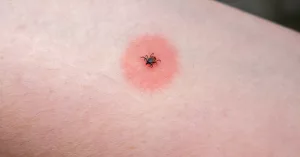
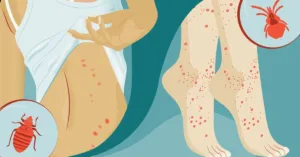
Since mosquitoes can transmit serious illnesses such as malaria, Zika, and dengue fever, researchers have explored the biological and environmental reasons that might make someone more appealing to these pests. One possible factor is blood type, which is often discussed alongside tools like a Bug bite identifier or a detailed Types of bug bites Chart to better understand patterns in insect bites.
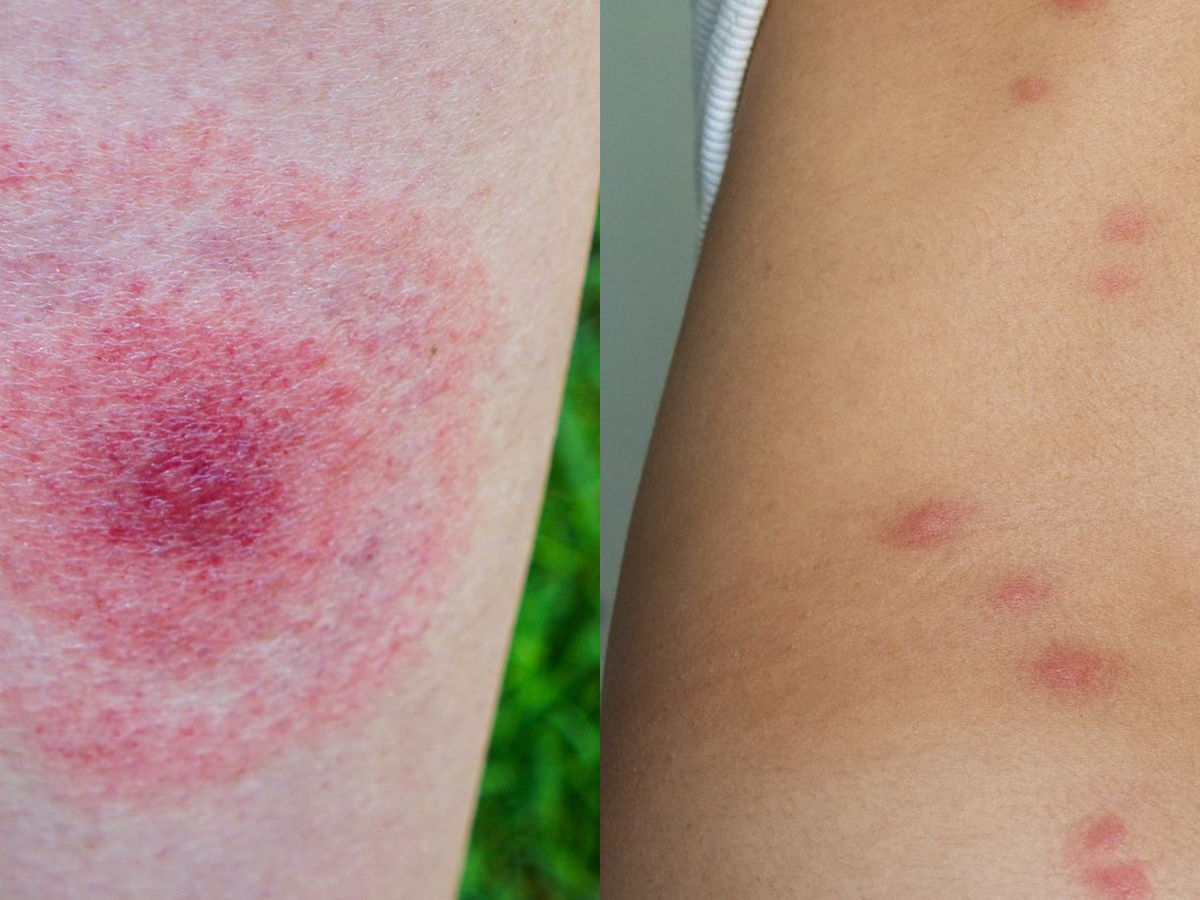
Below, we explore the scientific connection between mosquito bites and blood type, along with other traits that may increase your likelihood of being bitten.
Are people with one blood type more prone to mosquito bites than others?
Your blood type is determined by specific proteins, known as antigens, located on the surface of red blood cells. These antigens are inherited from your parents. There are four primary blood types:
- A: only A antigen on the surface of red blood cells
- B: only B antigen on the surface of red blood cells
- AB: both A and B antigen on the surface of red blood cells
- O: no A or B antigen on the surface of red blood cells
In some individuals, these antigens are also present in bodily fluids such as saliva or tears. These individuals are referred to as secretors. For instance, a person with blood type A may be a type A secretor. Those with blood type O release H antigen, which serves as a precursor to A and B antigen.
So how does this relate to mosquito attraction?
Overall, available research suggests that mosquitoes may be more strongly drawn to individuals with blood type O compared with other blood groups. However, blood type alone does not determine who gets bitten most frequently.
What the research says
An earlier study from 1974 involving 102 participants evaluated various personal factors that might influence mosquito attraction. The findings indicated that mosquitoes fed more often on individuals with blood type O.
More recently, a 2019 study compared mosquito feeding behavior using separate feeders containing different blood types. Results showed a noticeable preference for type O blood over the others.
A 2004 study further examined both blood type and secretor status. The combined findings revealed:
- A greater number of mosquitoes landed on people with blood type O. This difference reached statistical significance when compared to blood type A, though not consistently against the other blood groups.
- Mosquitoes landed significantly more often on type O secretors than on type A secretors.
- When blood type antigens were applied to participants’ arms, mosquitoes showed a significantly stronger attraction to individuals with H (type O) antigen compared with A antigen. Additionally, A antigen was more attractive than B antigen.
Because blood type antigens can be detected in the saliva and tears of secretors, researchers theorize that mosquitoes may sense these markers as they approach a potential host. However, more research is needed to confirm this hypothesis.
It is also important to note that although type O blood appears more attractive than type A in certain studies, this pattern does not necessarily apply to all blood types. Clearly, mosquito behavior is influenced by multiple biological and environmental variables.
SummaryCurrent evidence suggests mosquitoes may prefer individuals with blood type O. However, many additional factors—such as body chemistry and environmental conditions—also affect a person’s overall attractiveness to mosquitoes.
What else attracts mosquitoes?
Beyond blood type, several other characteristics can make someone more appealing to mosquitoes. When comparing symptoms using a Types of bug bites Chart, it’s helpful to consider these underlying factors that influence exposure risk.
Carbon dioxide
Every time you exhale, you emit carbon dioxide, creating an invisible trail. Mosquitoes are highly sensitive to increased carbon dioxide levels and use this cue to locate nearby hosts. Once detected, they move toward the source.
Body odor
If mosquitoes seem especially drawn to you, your natural scent may be part of the reason. Several elements shape how you smell to mosquitoes:
- Compounds on your skin. Researchers have identified specific skin compounds, including ammonia and lactic acid, that increase mosquito attraction.
- Bacteria. The bacteria living on your skin influence body odor. A 2011 study found that individuals with greater quantities but lower diversity of skin bacteria were more attractive to mosquitoes.
- Genetics. Research indicates mosquitoes are more attracted to odors from the hands of identical twins than those of fraternal twins, highlighting a genetic influence.
Heat
In addition to scent and carbon dioxide, the human body emits warmth. Research from 2017 demonstrated that female mosquitoes gravitate toward heat sources, regardless of their size.
Color
While the exact reason remains unclear, research from 2018 suggests mosquitoes are more attracted to darker colors, particularly black. Wearing lighter-colored clothing may therefore reduce your chances of being bitten.
Alcohol
A small 2002 study reported that mosquitoes landed more frequently on individuals after they consumed a small amount of beer, indicating that alcohol intake may subtly increase attractiveness.
Pregnancy
A 2004 study found that pregnant women attracted significantly more mosquitoes than nonpregnant women. This may be due to increased carbon dioxide output and elevated body temperature during pregnancy.
What types of mosquito repellents work best?
Mosquito repellents approved as safe and effective by the Environmental Protection Agency (EPA) include the following active ingredients:
- DEET (marketed as Repel, Off! Deep Woods, and other brands)
- picaridin (marketed as Natrapel and Sawyer)
- 2-undecanone (this repellent is found naturally in cloves and is marketed as Bite Blocker BioUD)
- IR3535 (marketed by Merck)
- oil of lemon eucalyptus (OLE)
Comparative studies from 2015 and 2017 concluded that repellents containing DEET were generally the most effective at preventing mosquito bites.
Some plant-based options may also offer partial protection, including:
- citronella essential oil
- neem oil
- thyme essential oil
Safety tips for using mosquito repellents
- Always adhere to the instructions provided on the product label.
- Some repellents are not suitable for young children. Do not use DEET on infants under 2 months old. Avoid using OLE on children under 3 years old.
- Avoid contact with eyes and mouth.
- Apply repellent only to exposed skin—not underneath clothing.
- Keep products away from cuts, burns, or irritated skin.
- After returning indoors, wash treated skin with soap and warm water.
What else can you do to prevent mosquito bites?
In addition to repellent use, consider these preventive strategies:
- Avoid peak activity times. Mosquitoes are most active at dawn and dusk, so limit outdoor exposure during these periods when possible.
- Choose light-colored clothing. Wear long sleeves and pants in lighter shades to reduce attraction and skin exposure.
- Block entry points. Inspect window and door screens for tears to prevent mosquitoes from entering your home.
- Use mosquito netting. If sleeping outdoors or in areas without secure screens, protective netting can reduce nighttime bites.
- Remove standing water. Mosquitoes breed in stagnant water. Empty containers such as flowerpots, buckets, and wading pools regularly.
How to treat a mosquito bite
Most mosquito bites heal without treatment within a few days. To reduce itching and swelling:
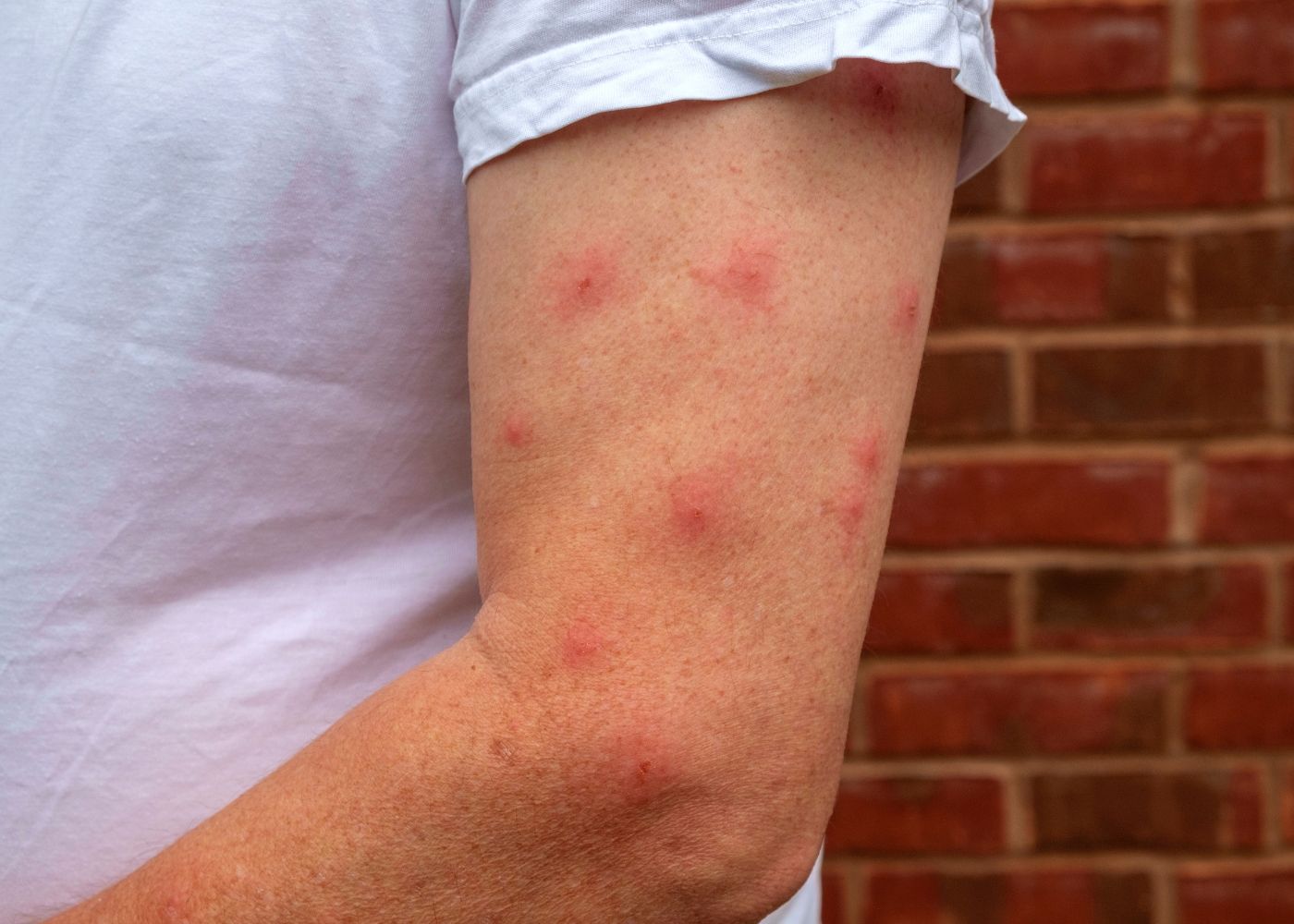
- Apply a cold compress. Placing a cool cloth or ice pack on the area for several minutes can help calm irritation.
- Use a baking soda paste. Combine 1 tablespoon of baking soda with water to create a paste and apply it to the bite to relieve itching.
- Use over-the-counter (OTC) products: Anti-itch creams and oral antihistamines may help ease discomfort.
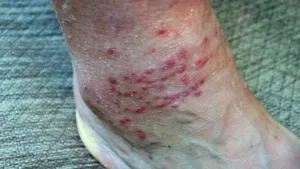
Although scratching may provide temporary relief, it increases the risk of skin infection. If a bite develops unusual bruising, swelling, or discoloration, reviewing Bug bite with bruise around it pictures can help you compare symptoms and decide when to seek medical attention.
The bottom line
Female mosquitoes feed on human and animal blood to support reproduction. While often just irritating, mosquito bites can transmit diseases such as malaria in certain regions.
Research suggests mosquitoes may show a preference for individuals with type O blood, though more studies are necessary to clarify this relationship.
Beyond blood type, factors including carbon dioxide output, body odor, heat, pregnancy, alcohol consumption, and clothing color also influence mosquito attraction. Understanding these elements—and consulting resources like a Types of bug bites Chart when evaluating skin reactions—can help you better manage prevention and treatment.
You can lower your risk of mosquito bites by using EPA-approved repellents, avoiding peak mosquito hours, wearing protective clothing, and eliminating standing water around your home.















Leave a Reply
You must be logged in to post a comment.