

An overlapping toe on one or both feet is relatively common. It can be inherited or develop from wearing shoes that are too tight, or from an underlying foot problem.
The small toe is most often involved, though the big toe or second toe can also overlap. People of all ages may be affected, including infants.
Here, we’ll examine what causes an overlapping toe and review treatment choices for this condition, including approaches for newborns.
Fast facts about overlapping toes
Did you know?
- Roughly 7 percent of people have an overlapping toe, according to a 2017 study.
- An estimated 2.8 percent of newborns are born with an overlapping toe.
- About 20 to 30 percent of cases involve both feet.
- Overlapping toes occur equally in men and women.
Causes of overlapping toes in adults
Overlapping toes can be hereditary or develop from footwear choices or the way you walk.
More than one factor can contribute. Below are common reasons seen in adults.
Heredity
You might be born with an overlapping toe, or inherit a foot bone pattern that predisposes you to one later in life. A longer second toe, known as Morton’s toe, has been linked to overlapping toes.
Tight-fitting shoes
Shoes that are too small or narrow in the toe box can push the little toe out of alignment. Regularly wearing high heels or pointed-toe shoes may progressively lead to a toe overlapping.
Arthritis
Joint inflammation and stiffness from arthritis can alter toe alignment. For instance, rheumatoid arthritis may change foot shape and contribute to bunions and an overlapping big toe.
Biomechanics
Your stance and gait affect your feet and toes.
Research shows that overpronation — when the foot rolls inward excessively while walking — is linked to bunions and overlapping toes.
Tight calf muscles can also increase pressure on the forefoot and contribute to bunion formation and overlapping toes.
Associated foot conditions
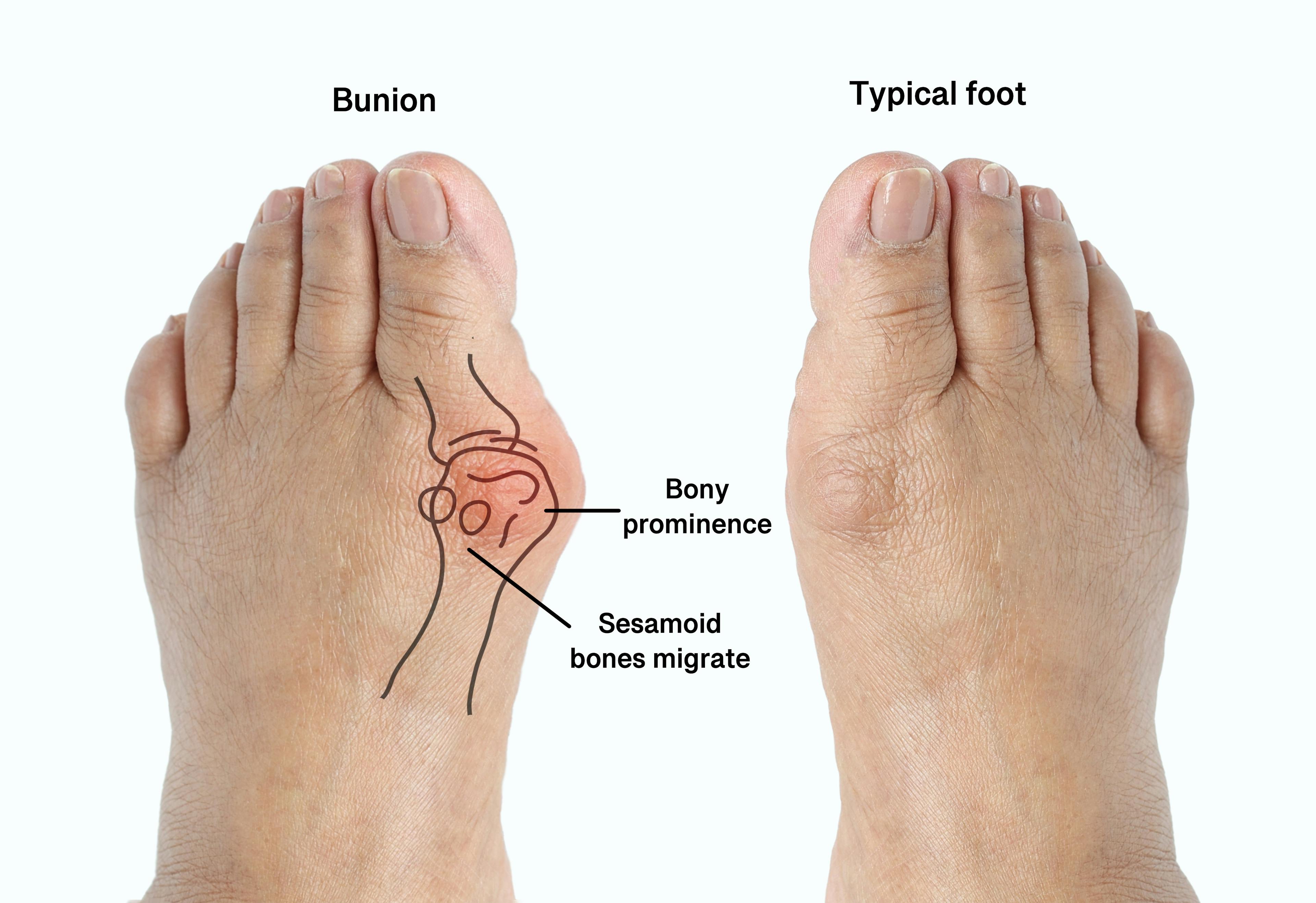
- Bunion. A bunion at the base of the big toe can push the big toe toward the second toe, causing overlap.
- Flat feet. Reduced arch height is associated with a higher risk of developing overlapping toes. Flat feet may be inherited or develop over time.
- Hammer toe. In hammer toe the middle joint bends downward, which can lead to overlap; hammer toe may arise secondary to a bunion.
- High arches. Either inherited or related to a medical condition, high arches can predispose to hammer toe and overlapping toes.
Other contributing factors
- Age. As you age, feet may flatten or pronate more, increasing the chance of various foot problems including overlapping toes.
- Injury. Trauma to the foot can impact toe joint alignment.
Causes of overlapping toes in newborns
A minority of infants are born with an overlapping toe, typically the little toe overlapping the fourth toe. Boys and girls are equally likely to be affected.
- Genetics are believed to play a role.
- Occasionally, limited space in the womb can crowd the toes and cause the pinky to overlap.
- About 25 percent of affected infants improve spontaneously without treatment.
Treatment options for newborns
Most newborn overlapping toes respond well to noninvasive approaches.
- Taping the toe is often effective. A 2007 study of 44 infants found that 94 percent improved or were cured after six months of simple toe taping to keep the toe straight.
- Gentle stretching and toe spacers. These techniques have been effective in correcting an overlapping toe in infants.
- Begin treatment early. Studies suggest treating an overlapping toe before a child starts walking yields the best results, since the toe can become rigid and require surgery otherwise.
Treatment for overlapping toes in adults
See your doctor or a foot specialist if your overlapping toe causes pain. Early intervention typically improves outcomes.
Conservative treatments are usually attempted first to reduce pain and discomfort; if these fail, surgery may be recommended.
Conservative approaches
- Choose properly fitting shoes. Wearing shoes with a roomy toe box is a primary step in relieving foot pain. Consider visiting a specialty shoe shop with an experienced fitter, or bring possible shoes to your podiatrist to assess fit.
- Use toe separators. Available at drugstores or online, or custom-made by your foot doctor, separators come in various sizes and types and you may need to try a few to find what works.
- Pads and insoles. If a bunion is forcing the big toe to overlap, orthotic inserts can help realign the foot, and bunion pads can reduce pressure.
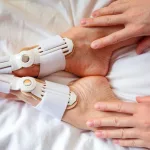
- Night splints. Your doctor might suggest a splint to wear overnight to help straighten the toe, and may prescribe shoe orthotics.
- Physical therapy. Helpful when tight muscles or tendons contribute to the overlap. A therapist will provide exercises to perform at home to improve toe alignment, strengthen foot muscles, and reduce pain.
- Icing. Applying ice to the toe or foot can help reduce pain and swelling if the overlapping toe or a bunion is irritated.
- Weight management. Losing excess weight can lessen pressure on the feet and improve symptoms for those who are overweight.
Surgery
If nonoperative measures don’t relieve pain or correct the toe, surgery may be considered.
Surgery is often chosen for:
- a severely overlapping little toe
- a big toe overlapped due to a bunion
Complications of overlapping toes
Symptoms often progress slowly and may worsen when other foot problems are present.
Seeing a doctor early can prevent deterioration and help identify the appropriate treatments to realign your toes.
Common complications
- Pain. The toe may rub against shoes, making walking uncomfortable and potentially altering your gait, which can affect legs and other muscles.
- Corns. Hard, sensitive bumps can form on the tops or sides of the toe and become painful with shoe wear.
- Calluses. Thickened skin patches on the bottom or side of the foot, usually larger and less painful than corns, caused by repeated pressure.
- Bursitis. Inflammation of the fluid-filled sacs around a joint can occur when shoes rub an overlapping toe.
- Metatarsalgia. Inflammation of the ball of the foot that can be associated with bunions, high arches, hammer toe, or a long second toe.
The bottom line
Overlapping toes are common and often respond well to conservative treatments. Surgery may be necessary if less invasive approaches fail. In infants, simple toe taping frequently yields excellent results.
Causes may be genetic or develop over time, and overlapping toes are frequently associated with other foot issues like bunions and hammer toes. If you experience pain or other symptoms, consult your doctor promptly — earlier treatment usually leads to better outcomes.
For related information on foot alignment and corrective options, see what causes crooked toes and how to fix them.
















Leave a Reply
You must be logged in to post a comment.