

Braces are a widely used approach to correct crooked or misaligned teeth. However, when the braces come off, you may discover not only straighter teeth but also areas of discoloration.

Cleaning plaque thoroughly becomes more challenging while you wear braces. Plaque is a sticky film that accumulates on teeth after eating or drinking. It tends to collect behind the archwire and around the brackets bonded to the teeth.
Over time, plaque can harden into calculus (tartar), which often appears yellowish or brown. Teeth with tartar buildup are also prone to demineralization. Demineralization weakens enamel and commonly produces white spots. If it progresses, it can lead to a cavity.
You can prevent the staining and demineralization that sometimes accompany braces. Maintaining a consistent oral hygiene routine while undergoing orthodontic treatment substantially reduces the chance of discoloration. If your braces are already off and you notice stains, there are still options to diminish or remove them. Demineralization is a more serious form of discoloration, but it can be managed and halted before it develops into decay.
What leads to tooth discoloration while wearing braces?
After eating or drinking, plaque naturally forms on teeth. Plaque contains bacteria that, when left to accumulate, can produce yellow or brown discoloration. The most effective way to remove plaque is daily brushing and flossing. Routine dental visits and professional cleanings are also key to preventing buildup.
Are the white marks from braces permanent?
Prolonged plaque accumulation can trigger demineralization of the enamel. Sugary foods fuel the bacteria in plaque to release acids that attack enamel, softening it and leaving chalky white spots. Without treatment, these areas can develop into cavities.
Ways to treat stains from braces
If your braces have just been removed and you see white spots or staining, try not to panic. This is a frequent occurrence and, in many cases, the appearance can be improved.
A dental professional can suggest the appropriate treatment plan. Typical options include:
Teeth whitening
There are numerous at-home and professional whitening methods — from specialized toothpaste to strips, gels, and in-office procedures. Consult your dentist to determine the best approach for your situation. Whitening is most effective after braces removal, but while braces are still on, whitening toothpaste combined with an electric toothbrush can help reduce staining.
Remineralization
Although lost enamel cannot be regrown, you can halt demineralization and address the white spots that accompany it. Regular brushing, cutting back on sugar, moderating fruit and dairy intake, and considering vitamins or probiotics can support remineralization.
Composite restoration
When orthodontic treatment has left notable damage, your dentist or orthodontist might suggest composite bonding. This technique uses a tooth-colored resin applied to the tooth surface to restore a natural color and contour.
Microabrasion
Microabrasion removes a thin outer layer of enamel using an abrasive such as pumice or special polishing tools. It is often effective for both white spots and surface stains, improving the overall look of the teeth.
Veneers
For severe discoloration, veneers may be recommended. These are thin, tooth-colored shells placed onto the front of the teeth to mask color and shape issues.
How to avoid discoloration when wearing braces
The ideal way to deal with discoloration from braces is prevention. The following tips help keep your teeth healthy and free from stains while you’re undergoing orthodontic care:
Brushing
Brush thoroughly and regularly with fluoride toothpaste and a soft-bristled brush. With braces, it’s especially important to remove plaque that gathers around brackets and wires. While brushing at least twice daily is standard advice, when you wear braces it’s best to brush after every meal. Consider an electric toothbrush with an orthodontic head, which is highly effective at keeping braces and teeth clean.
Rinsing
If you can’t brush after eating, rinse your mouth with water or a fluoride rinse, and always rinse after brushing. Inspect your teeth and braces after rinsing to make sure food particles are removed from wires, brackets, and tooth surfaces.
Flossing
Floss daily. A floss threader or orthodontic floss can help you access the areas around brackets and under wires. You might also receive a special interdental brush to reach tight spots. Dental professionals report that combining flossing with brushing reduces plaque buildup more effectively than brushing alone.
Routine dental checkups
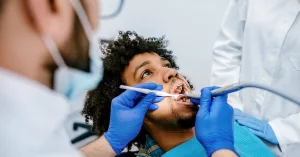
Keep up regular professional cleanings and dental exams to maintain oral health. Your dentist can spot early signs of plaque accumulation around braces and intervene before problems escalate.
Adhere to your orthodontist’s instructions. Ignoring guidance may extend the length of time you must wear braces, which raises the chance of discoloration.
Diet
Avoid foods that can become lodged in or damage braces, and that promote plaque formation and decay, such as:
- sugary and starchy items and beverages like candy and soda
- sticky treats like gum and taffy
- hard or crunchy foods such as raw carrots or nuts
Another way to reduce the risk of staining is choosing different orthodontic options. Clear aligners, which are transparent plastic trays custom-molded to your teeth, are a popular alternative. They’re removable for meals and cleaning, and you can even place a whitening agent inside them during treatment. A key advantage of clear aligners like Invisalign is that they don’t bond to tooth surfaces; if you keep them clean, they won’t promote the plaque buildup associated with fixed metal braces.
Studies indicate many patients are more satisfied with their smile when combining clear aligner therapy with whitening, compared with aligners alone.
Also consider asking your orthodontist about spacers for braces if you’re preparing for certain orthodontic steps that might affect your hygiene routine.
Takeaway
Braces are highly effective for aligning teeth, but they can sometimes leave discoloration once removed. Fortunately, there are multiple strategies to minimize or eliminate staining.
The most effective approach is prevention: maintain a consistent tooth-care routine while wearing braces and consider alternatives to fixed metal appliances when appropriate to reduce the risk of staining.



















Leave a Reply
You must be logged in to post a comment.