
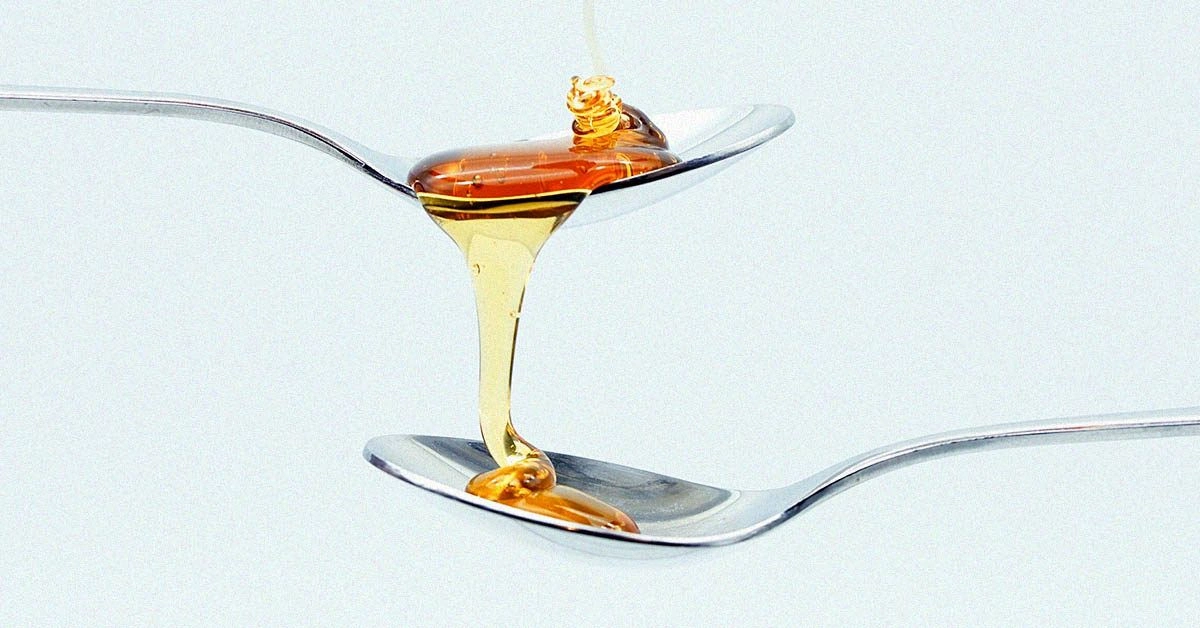
Honey is a remarkable natural sweetener and a common substitute for sugar. It’s also prized worldwide for its antimicrobial, wound-repairing, and soothing qualities.
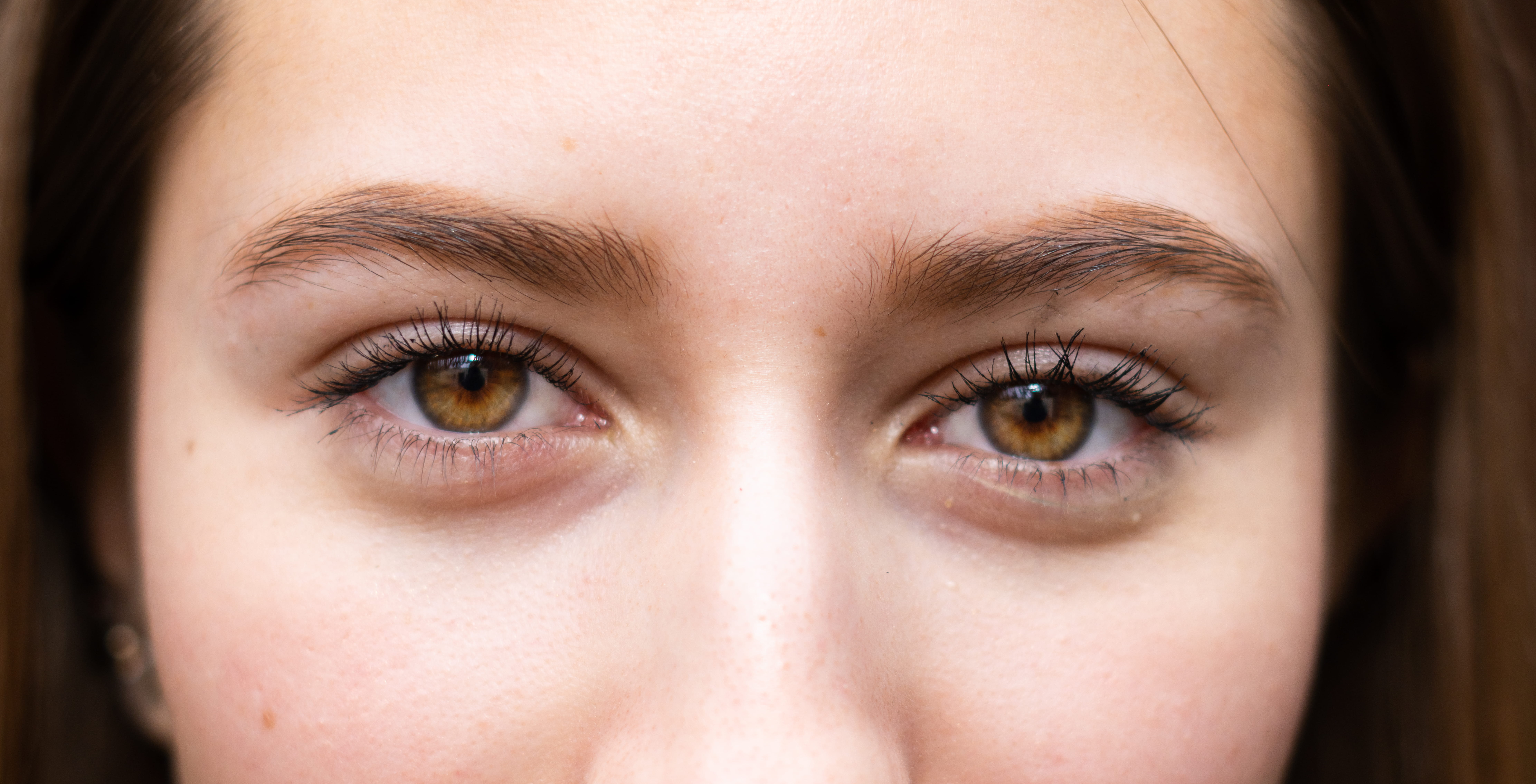
Although less commonly used in Western medicine, Ayurveda and other traditional healing systems have long utilized honey to address eye-related ailments.
When applied topically, honey can lessen inflammation and irritation in the eye. It also has the ability to eliminate harmful bacteria that may be causing an eye infection.
Some individuals attempt to use honey to gradually alter their eye color, but there is no scientific evidence to back up that claim. Read on to learn what current research and traditional use suggest about honey as an eye treatment.
Benefits of using honey for your eyes
Honey’s anti-inflammatory and antimicrobial actions, together with its soothing effects, make it an unexpectedly useful option for treating several eye conditions.
The home remedies described below involve blending specialty-grade honey (for example, locally harvested, honeycomb, or Manuka honey) with sterile saline drops and applying the combined solution topically to the eye or surrounding skin.
Keratoconjunctivitis
In one study of 60 participants, artificial tears containing honey were found to be an effective approach for keratoconjunctivitis (corneal inflammation due to dryness).
This persistent problem often arises with the onset of seasonal allergies.
Corneal ulcers
Corneal ulcers are lesions on the surface layer of the eye. Honey can combat infections that may be causing these sores and can also speed the healing of the ulcers themselves.
Honey’s wound-repairing capabilities combined with its antimicrobial effects make it especially well-suited to address these kinds of corneal lesions.
Blepharitis
Blepharitis causes swelling and a burning sensation along the eyelash line. One study evaluated six rabbits with blepharitis to explore the potential of Manuka honey as a treatment.
While human trials are still needed, Manuka honey appeared to outperform commercial-grade honey or no treatment in reducing blepharitis in that animal study.
Dry eyes
Dry eye occurs when the tear glands that keep your eyes lubricated do not produce enough tears. Although artificial tears can help manage chronic dry eye, there is no established cure.
Artificial tears containing Manuka honey and eye gels with Manuka honey are under investigation as treatments for dry eye. In a study of 114 people, honey-based treatments reduced redness and discomfort in individuals with chronic dry eye.
Reduces wrinkles
Honey has cosmetic uses for the skin. A review indicates that honey helps lock in moisture and softens the outermost layer of skin, which can diminish visible signs of aging.
Many chemical—and even some natural—anti-aging ingredients aren’t safe to apply around the delicate eye area. Honey, however, can be combined with saline, water, coconut oil, or jojoba oil and used around the eyes to help tighten the skin.
Bacterial conjunctivitis (pink eye)
Honey’s antimicrobial characteristics can fight bacterial eye infections, prevent their spread, lessen redness, and accelerate recovery. An older study from 2004 examined honey’s antibacterial effects against various bacteria and demonstrated its effectiveness against conjunctivitis in particular.
Can honey lighten eye color?
Melanin is the pigment that determines eye color. Higher melanin amounts make the eyes look darker.
Some claim that applying a honey-and-water mixture can alter eye color over time. There’s no evidence to support this home remedy. It’s unlikely that honey would permeate past the outer corneal layers where pigment is absent.
Honey in eyes side effects
Raw honey should never be placed directly into your eye. You can find Manuka honey dry eye drops online. Alternatively, you can prepare your own sterilized honey eye drops.
Mix dissolved honey with artificial tears, saline solution, or sterilized water to create your own mixture. The example below uses water:
- Begin by boiling 1 cup of water and 5 teaspoons of honey, stirring thoroughly.
- Allow the solution to cool completely.
- Use the mixture as an eyewash or apply it into your eyes with a sterilized eyedropper.
Feel free to adjust the proportion of honey to sterilized water. You can also chill the solution before use for a soothing effect.
Take great care when using honey around your eyes. Consult a physician if you’re thinking about using honey to treat any eye condition.
Remember that while we have considerable knowledge about honey’s possible benefits for eye issues, there is less information about potential adverse effects. Being “all natural” does not automatically make a remedy safe.
Takeaway
There is a fair amount of evidence supporting the use of diluted honey in eye drops for certain eye problems. There is virtually no credible data to back the notion that honey can change eye color.
Do not replace prescribed medications from your eye doctor with honey, and always discuss any remedies you plan to try with your physician.
For those who enjoy natural sweeteners elsewhere, consider pairing honey in coffee as a tasty alternative, or exploring combinations like apple cider vinegar and honey for other wellness uses—while keeping eye treatments strictly under medical guidance.






















Leave a Reply
You must be logged in to post a comment.