
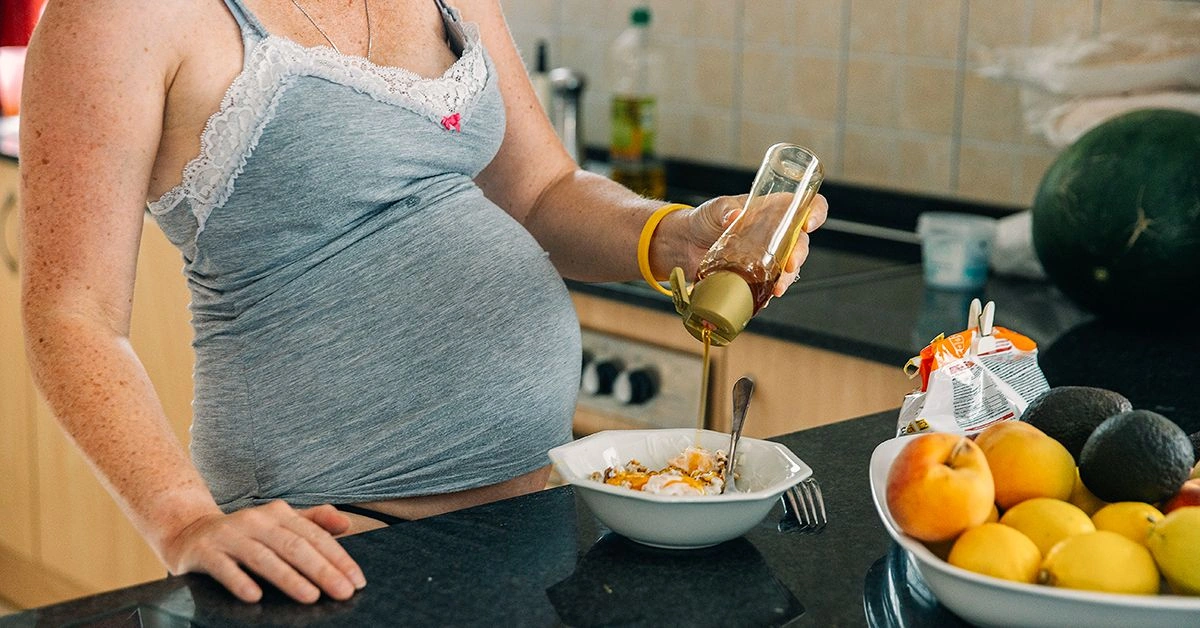
Honey is a pleasant and safe food to enjoy while you’re expecting.
Nutritional choices become especially important during pregnancy, and you might be wondering whether honey is a suitable option.

Honey is considered safe to consume when pregnant. It’s available in various forms — pasteurized, unpasteurized, or raw — and all of these are generally regarded as safe for pregnant people.
Is honey safe to eat during pregnancy?
Yes — honey is safe to eat during pregnancy. You may have heard warnings about giving honey to infants under 1 year of age. While some items are unsafe for both infants and pregnant people, honey is not among them.
The concern for infants is exposure to a bacterium called Clostridium botulinum, which can be present in the environment and sometimes contaminates honey. This bacterium produces toxins that can be dangerous to babies.
In adults, including pregnant people, the mature digestive system can neutralize the bacteria responsible for botulism, so it does not pose the same threat.
What is pasteurized honey?
Pasteurized honey is heated to eliminate microorganisms, including yeasts.
Although all honey has a long shelf life naturally, pasteurization helps extend that lifespan further. Heating also yields a smoother texture and reduces crystallization.
Are there benefits to eating honey if you’re pregnant?
There aren’t many studies focused specifically on honey’s effects during pregnancy, but broader research has examined honey’s potential health perks.
Honey contains antioxidants and demonstrates antibacterial and antiviral attributes, and it can support healing processes.
Unpasteurized honey typically retains more antioxidants than pasteurized varieties, since high heat can reduce some of these compounds.
How much honey is safe to eat during pregnancy?
There’s no strict limit set for honey consumption during pregnancy. The key is maintaining a balanced diet to obtain a range of nutrients. You can continue to use honey in your meals and drinks much as you did before becoming pregnant.
Can you eat honey if you have gestational diabetes?
If you develop gestational diabetes, you may need to adjust your eating habits.
Honey can fit into a balanced dietary plan. It breaks down into simple sugars similar to other carbohydrate sources and will raise blood glucose in much the same way as other sweeteners.
If you monitor carbohydrates to manage gestational diabetes, be aware that honey provides about 17 grams of carbs per tablespoon — roughly 5 grams per teaspoon.
When you consume honey, pair it with protein or fiber to help blunt its impact on blood sugar.
How can I be sure my honey is safe to eat during pregnancy?
Honey is generally safe during pregnancy, but it’s sensible to inspect it before use.
If the honey smells off, shows mold, or has areas of unusual discoloration, don’t eat it. Those precautions apply to everyone, pregnant or not.
Frequently asked questions
Is raw honey safe to eat during pregnancy?
Yes — raw honey is safe. It’s the least processed form, coming straight from the hive and usually only run through a basic filter to remove debris. It’s not heated.
Can I have honey for a cold during pregnancy?
Yes. Honey can soothe a sore throat when you have a cold. While some medications are off-limits during pregnancy, honey is a safe home remedy.
How do I know if honey is pasteurized?
Labels generally indicate whether honey is pasteurized. Pasteurized honey often has a milder taste and smoother consistency. Both pasteurized and unpasteurized honey are safe to consume.
When can I feed my baby honey?
You should wait until your baby is at least 1 year old before offering honey.
By that age, their digestive system can handle any Clostridium botulinum spores that might be present. These spores can be found even in pasteurized honey.
Takeaway
Honey is safe to eat during pregnancy. You can choose pasteurized, unpasteurized, or raw honey — all are acceptable. It’s flavorful, contains antioxidants, and has antibacterial and antiviral characteristics.
However, honey should not be given to infants under 1 year old because of the risk of botulism. For pregnant people, honey does not pose a botulism risk.
















Leave a Reply
You must be logged in to post a comment.