
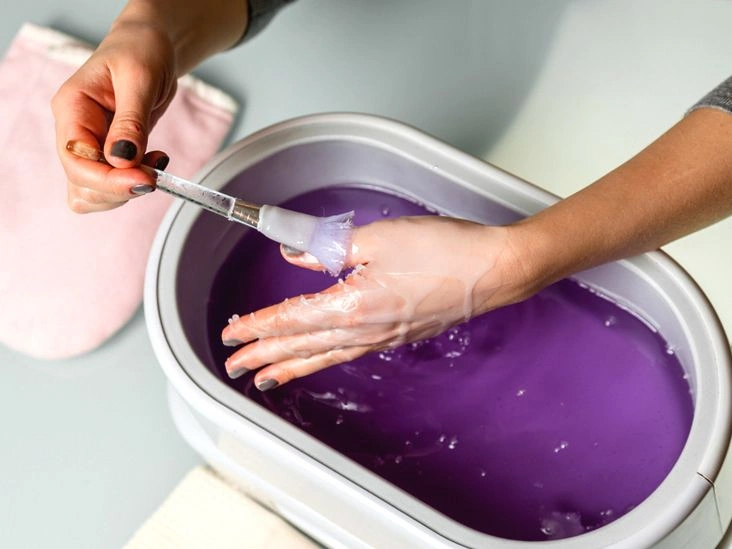
What is paraffin wax?
Paraffin wax is a soft, solid substance that is typically white or clear. It is composed of saturated hydrocarbons.
Because it is colorless, tasteless, and largely odorless, it’s commonly used in spa and salon skin treatments for hands, cuticles, and feet. It’s also employed to ease discomfort in aching joints and muscles.
Paraffin wax serves numerous other purposes as well, including use as a lubricant, an electrical insulator, and a raw material for candles and crayons.
Keep reading to find out more about paraffin wax’s uses, advantages, and possible adverse effects.
What are the benefits of paraffin wax?
Paraffin delivers both cosmetic and therapeutic advantages.
Cosmetic benefits
In beauty applications, paraffin wax is frequently used on the hands and feet. The wax functions as a natural emollient, helping to make skin soft and more pliable. Applied to the skin, it adds hydration and helps maintain higher moisture levels after the session.
It can also help open pores and slough off dead skin cells, which may result in skin that appears fresher and feels smoother.
Therapeutic benefits
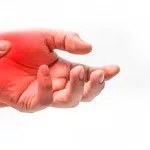
Paraffin wax is sometimes used to help ease hand pain in people with:
It works similarly to heat therapy, helping to boost circulation, relax muscles, and reduce joint stiffness. Paraffin can also lessen muscle spasms and inflammation and is sometimes used for sprain care.
Are there side effects?
Paraffin wax used for body treatments is lab-tested to ensure it is safe and hygienic. Its low melting point means it can be applied at a temperature that usually won’t cause burns or blisters.
That said, people with very sensitive skin might develop a heat rash from paraffin. Heat rash appears as small red bumps that can be itchy and uncomfortable.
Do not use paraffin wax if you have:
- poor circulation
- reduced sensation in your hands or feet
- diabetes
- any open sores or rashes
Those with chemical sensitivities may experience mild swelling or breakouts after a wax treatment, since paraffin is a petroleum-derived product.
If performing a paraffin treatment at home, avoid overheating the wax because it can ignite. The wax should not exceed about 125°F (51.7°C) when you begin your treatment.
What happens during a treatment?
Some spas and nail salons include a paraffin wax bath with manicures and pedicures, while many offer it as a separate service.
Prices vary widely by salon, but treatments often start at approximately $15. A session typically takes about 30 minutes.

How to use it at home
You can receive a paraffin wax treatment at a salon or do it yourself at home. Following the correct procedure is important to maximize the benefits.
For a home treatment, gather the following supplies:
- four pounds of food-grade paraffin wax
- double boiler
- measuring cup
- mineral oil
- greased plastic container
- thermometer
- olive oil
- sealable plastic bag
- towel or oven mitt
- timer
- tissue
- moisturizer
You might also buy a portable paraffin wax bath for home use. These units reduce the number of extra items needed and often include paraffin wax.
If using a paraffin bath device, follow the manufacturer’s instructions.
Step 1: Melt the wax
The simplest method to melt paraffin at home is with a double boiler. Remove any nail polish before starting. Wash and thoroughly dry your hands with a lint-free towel.
To melt the wax:
- Place four pounds of paraffin in the top section of a double boiler. Add water to the bottom pot and heat it over low heat on the stove.
- Stir in one cup of mineral oil with the wax.
- When the wax has fully liquefied, remove the top of the boiler from the heat. Carefully pour the wax into a greased plastic container.
- Allow a thin skin to develop on the wax surface.
- Use a thermometer to check the temperature. It’s ready to use when it reaches about 125°F (51.7°C).
Step 2: Apply the wax
After the wax is prepared, you can begin the application. To apply it:
- Rub a few drops of olive oil into the skin of the area you intend to treat.
- Dip your whole hand or foot into the wax and hold it for a few seconds so a coating forms.
- Let the wax dry. You’ll know it’s set when the glossy shine diminishes. When dry, dip the hand or foot back in, inserting it slightly less deep than before to prevent warm wax from seeping beneath earlier layers and potentially causing burns.
- Repeat this dipping process until you’ve built up at least 10 layers of wax on the treated area.
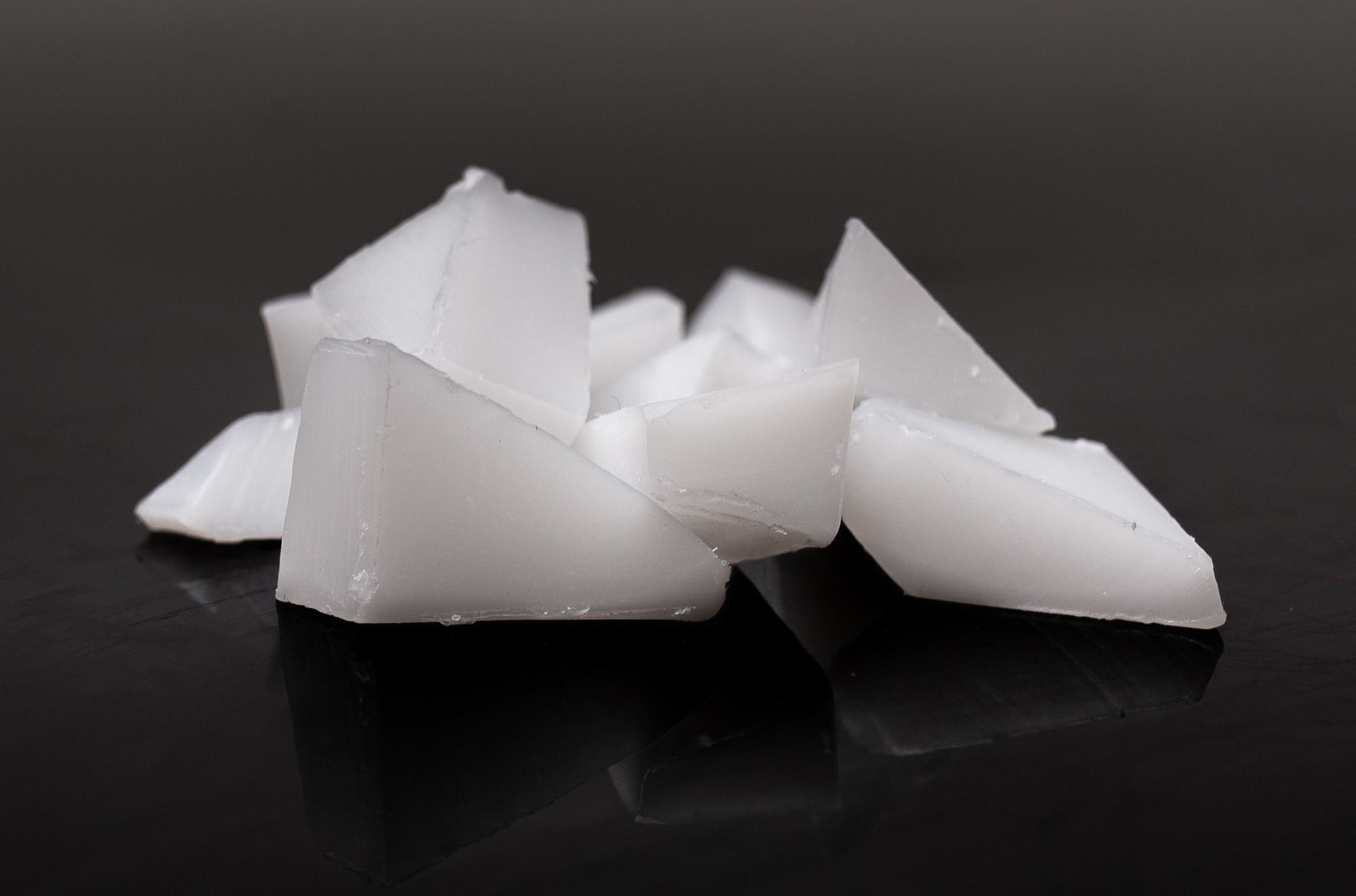
Step 3: Bag your hand or foot
After applying at least 10 layers, cover the area with a large plastic bag. Then place your hand or foot in an oven mitt or wrap it in a towel and leave it for 15 to 20 minutes.
Step 4: Remove the wax
After 15 to 20 minutes, remove the oven mitt or towel and the plastic bag. Use soft tissue to wipe away leftover wax. Finish by applying moisturizer to the entire area.
When the treatment is complete, cover the paraffin and store it safely for future use.
The takeaway
Paraffin wax treatments offer cosmetic advantages and may relieve symptoms for people with conditions such as arthritis and fibromyalgia. You can have the treatment performed at a salon or spa, or you can do it yourself at home if you have the appropriate supplies.


















Leave a Reply
You must be logged in to post a comment.