

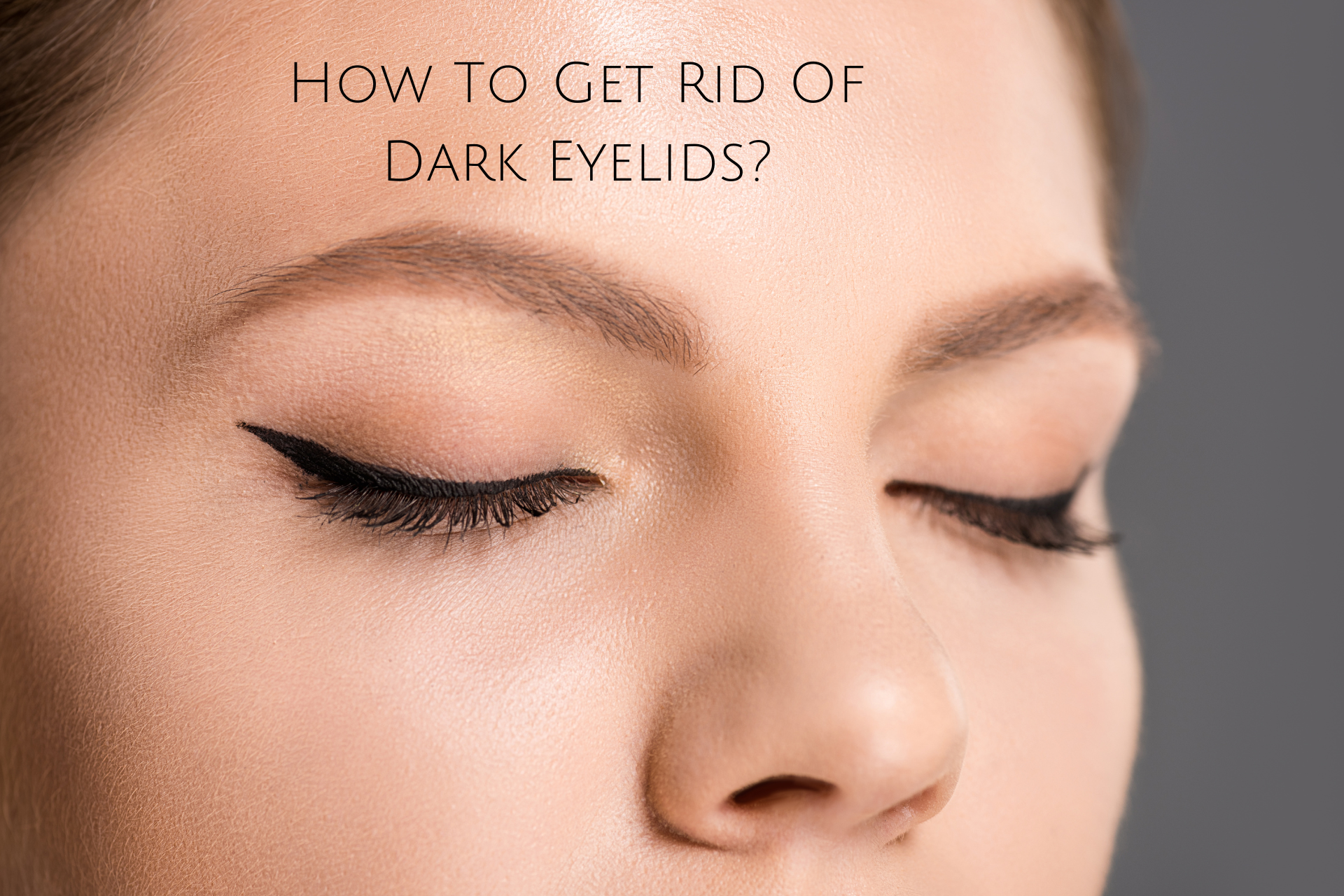
The skin around your upper eyelids can develop a darker hue. This may result from changes in nearby blood vessels and surrounding tissue, eyelid hyperpigmentation, trauma, or congenital conditions.
It’s possible to have dark eyelids and under-eye circles simultaneously, though one can occur without the other. The two issues do not always share the same cause.
Below, find information on what can lead to dark eyelids, who is more likely to get them, and the treatment options available.
Causes
Enlarged blood vessels in the eyelids can make the overlying skin look darker. Trauma to the eye often produces bruising, which can darken the eyelid area in contrast to other skin. These, however, are not the only explanations for dark eyelids.
Your skin contains melanin, the pigment responsible for natural coloration. Sometimes certain areas produce more melanin, causing those spots to be darker — a condition known as hyperpigmentation. Conversely, areas with reduced pigment are called hypopigmented.
Common triggers of hyperpigmentation include:
- Sun exposure. Ultraviolet damage prompts the skin to generate more melanin, darkening affected areas and contributing to freckles and age spots.
- Pregnancy. Hormonal shifts during pregnancy can boost melanin production, producing dark patches known as melasma. These patches can appear near the eye area and may worsen with sun exposure.
- Thinning skin. With aging, loss of collagen and fat causes skin to thin, which can make it look darker.
- Inflammatory conditions. Issues such as dermatitis, allergies, chronic sinusitis, and rheumatoid arthritis can cause swelling and localized darkening of the skin.
- Certain medications. Hormonal drugs like oral contraceptives can lead to darker skin patches. The glaucoma medication bimatoprost may darken eyelid skin, though this usually improves within three to six months after stopping the drug.
Some causes are present from birth. Congenital sources of dark eyelids may include:
- blood-vessel growths around the eye (strawberry hemangioma)
- small, dark moles (nevi)
- benign cysts (dermoid cysts)
- port-wine birthmarks
- styes
These conditions might not cause immediate problems, but as you age, eyelid abnormalities can affect vision.
Risk factors
People with fairer complexions are particularly prone to hyperpigmentation and resulting dark eyelids. Other factors that raise the likelihood include:
- not wearing sunglasses
- failing to apply sunscreen around the eyes when outdoors
- hormonal shifts, such as those during pregnancy or menopause
- a family tendency toward early aging or inflammatory disorders
- being born with a congenital eyelid condition
Home remedies
At-home measures are often the first approach to lessen the appearance of dark eyelids. These methods tend to be low-risk and inexpensive. Options to try include:
1. Cold compresses
Cold packs are particularly effective for addressing dilated vessels and swelling from inflammation. They may also help reduce bruising from broken capillaries.
You can buy a cold compress, or use a bag of frozen peas wrapped in a clean cloth to shield your skin.
Apply for five to ten minutes at a time.
2. Elevate your head
Instead of lying flat while sleeping, recline or use extra pillows to keep your head raised. This can improve circulation and reduce swelling.
3. Get more sleep
Although extra sleep won’t cure dark eyelids, sleep deprivation can make them look worse. Lack of sleep can make your complexion appear paler, which may accentuate dark areas.
4. Use concealer
Rather than matching your usual skin tone, select a concealer formulated to counteract discoloration. For lighter complexions, a pink-based concealer may work best; for darker complexions, a peach-toned concealer can neutralize dark eyelids.
You can find pigmentation-correcting concealers at makeup retailers and most drugstore cosmetic sections.
Over-the-counter (OTC) treatments
While home remedies may help reduce and prevent worsening of dark eyelids, they often don’t fully resolve the issue. Over-the-counter products can sometimes provide additional improvement.
Anti-pigmentation and anti-aging agents like kojic acid and retinoids can help fade hyperpigmentation. However, many of these compounds are too strong for daily use around the eyes. Look specifically for formulations intended for the eye area, and consult your physician before applying any strong products near your eyes.
Dermatologic procedures
If home care and OTC options aren’t effective, dermatological interventions may be considered. These can include:
- chemical peels
- laser resurfacing
- surgical excision of tumors or localized melasma
- other surgical approaches, such as eyelid lifts
Prevention
The best prevention for dark eyelids is consistent skin care. This includes sun protection such as protective eyewear, hats, and daily sunscreen. Ensure your sunglasses and sunblock guard against both UVA and UVB rays. You might choose a foundation or concealer with SPF to apply to your upper eyelids, taking care not to get product too near the eye itself.
For children born with eyelid abnormalities, a pediatrician may suggest surgery or prescription treatments to address underlying issues. Early intervention helps prevent vision problems and further eyelid changes.
Takeaway
Darkening of the upper eyelids can stem from various factors, but there are effective options for management. If you’re uncertain about what’s causing your dark eyelids, consult a doctor or dermatologist. They can diagnose the cause and recommend the most appropriate treatment.
For related cosmetic and skin concerns, you may find helpful information about triple eyelids and tips on treating dark elbows on our site.



















Leave a Reply
You must be logged in to post a comment.