
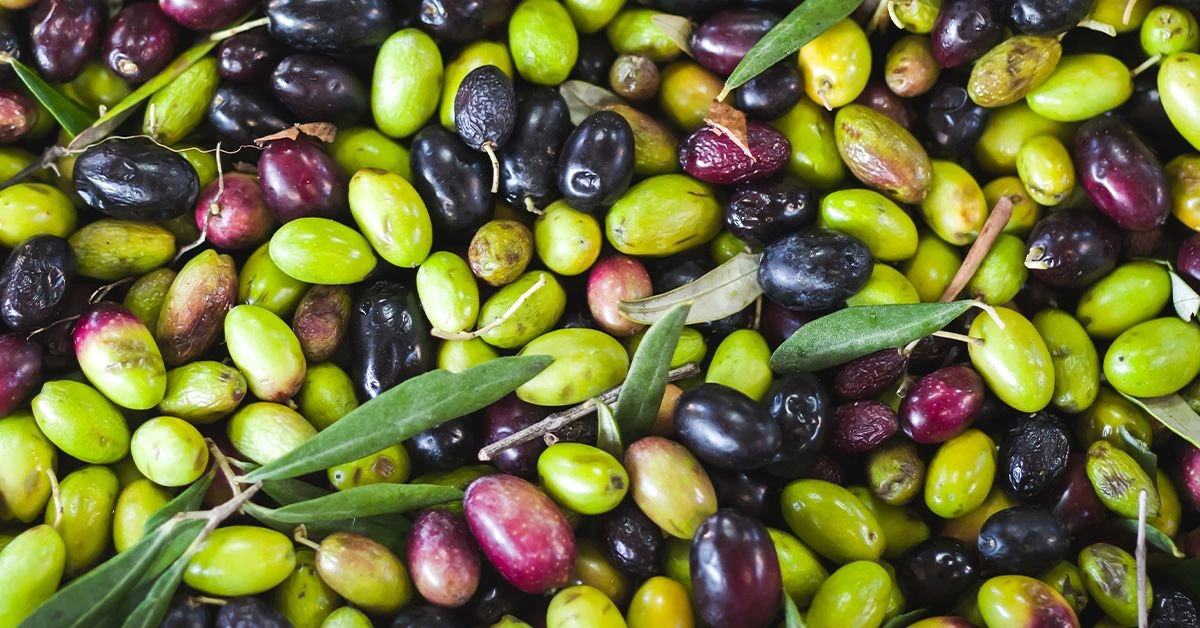
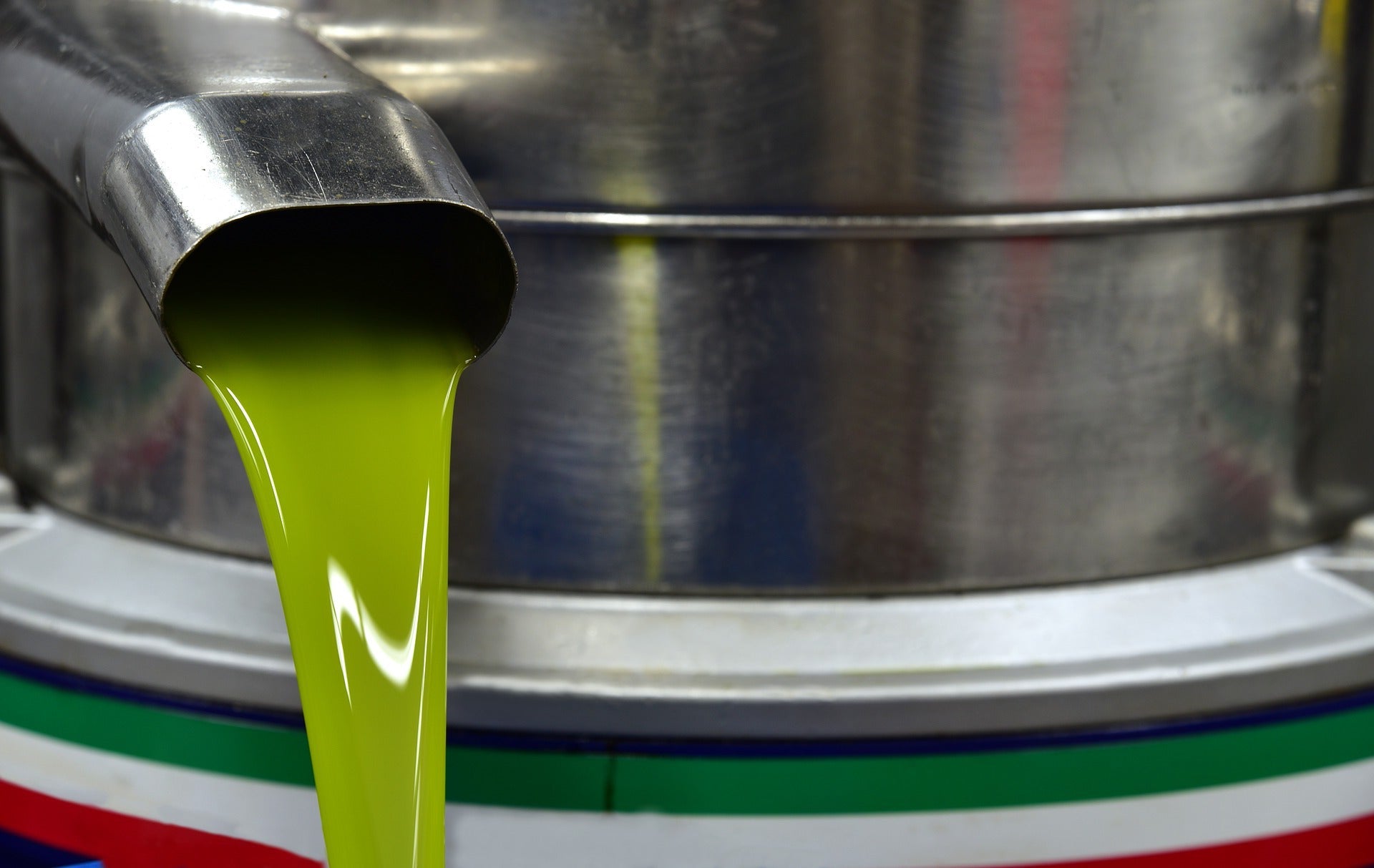
Cold-pressed extraction is a widely used method to obtain olive oil without applying heat or chemical solvents.
The process entails crushing olives into a paste and then separating the oil from the solid material by mechanical pressing or centrifugation. Under European food regulations, processing temperatures must not exceed 81°F (27°C) (1).
Because cold pressing avoids high temperatures, it may help the oil preserve more of its nutritional components, since valuable nutrients and phytochemicals can degrade under heat (2, 3).
Olive oil grades are categorized by their oleic acid content. The top-quality grades — extra virgin and virgin — are always cold pressed to maintain a higher oleic acid level.
Below are 13 advantages and common uses of cold-pressed olive oil.
1. Nutrient-dense
Being almost entirely fat, cold-pressed olive oil is calorie-rich.
Nonetheless, the predominant fat type — unsaturated fat — is highly beneficial for health (4).
Diets higher in unsaturated fats versus saturated fats are linked to lower risks of cardiovascular disease, type 2 diabetes, cancer, and other chronic conditions (5).
Olive oil also provides vitamins E and K. Vitamin E acts as a strong antioxidant involved in immune defenses, while vitamin K is essential for clotting and bone health (6, 7).
One tablespoon (15 ml) of cold-pressed olive oil offers (8):
- Calories:119
- Total fat:13.5 grams
Saturated fat: 2 grams Monounsaturated fat: 10 grams Polyunsaturated fat: 1.5 grams - Vitamin E: 12.9% of the Daily Value (DV)
- Vitamin K: 6.8% of the DV
Cold-pressed olive oil also contains at least 30 beneficial phytochemicals, many acting as potent antioxidants with anti-inflammatory properties (9).
summmaryCold-pressed olive oil is abundant in wholesome fats, numerous bioactive plant compounds, and vitamins E and K.
2. Rich in beneficial fats
The United States Department of Agriculture (USDA) advises that 20–35% of daily calories come from fats, primarily unsaturated ones (10).
Cold-pressed olive oil is almost exclusively fat, with about 71% composed of an unsaturated fatty acid called oleic acid (8).
Research indicates that oleic acid and other unsaturated fats may lower LDL (bad) cholesterol when they replace saturated fats in the diet (11, 12).
About 11% of the fat in cold-pressed olive oil comes from omega-6 and omega-3 fatty acids. These polyunsaturated fats participate in vital functions such as blood pressure control, clotting, and immune responses (8, 13).
While olive oil contains 2 grams of saturated fat per tablespoon (15 ml), this amount falls well within the commonly recommended 13–22 grams per day for a 2,000-calorie diet (5).
Summary: Cold-pressed olive oil is largely made up of oleic acid, a monounsaturated fat that may help lower cholesterol. It also supplies omega-6 and omega-3 fats important for health.
3. A source of strong antioxidants
Because it isn’t exposed to heat treatment, cold-pressed olive oil may preserve more antioxidants than lower-grade oils (14).
Antioxidants protect cells from unstable molecules called free radicals, helping to reduce the risk of chronic diseases such as heart disease, diabetes, and cancer (15).
Each tablespoon (15 ml) contains 12.9% of the DV for vitamin E — a key antioxidant nutrient (8, 16).
It’s also abundant in phenolic compounds like oleuropein and hydroxytyrosol, which have shown powerful antioxidant effects in animal and lab studies (17, 18, 19).
Scientists think these compounds may partly explain the health advantages associated with the Mediterranean diet, including stronger bones and lower risks of heart disease, neurological conditions, and certain cancers (20).
Summary: Cold-pressed olive oil delivers potent antioxidants that may help shield the body from various diseases.
4. Potential anti-inflammatory effects
Chronic, low-level inflammation is believed to contribute to many illnesses, including heart disease, diabetes, cancer, arthritis, and Alzheimer’s disease (21, 22, 23).
Research indicates that olive oil may reduce inflammation because of its high content of healthy fats, antioxidant molecules, and substances like oleocanthal (24, 25).
Oleocanthal is a naturally occurring anti-inflammatory compound. Lab studies suggest it works in a manner similar to ibuprofen, though more human trials are necessary (26, 27).
Keep in mind that adopting a diet richer in plant-based foods may lower inflammation more effectively than relying on any single nutrient or food (28, 29).
Still, swapping out saturated fats like butter, shortening, and lard for cold-pressed olive oil is a practical first step.
Summary: Owing to its healthy fats, antioxidants, and beneficial plant compounds, cold-pressed olive oil may help lower inflammation.
5. May lower heart disease risk
Cardiovascular disease is the top cause of death worldwide, accounting for more than 17 million deaths annually (30).
Many studies show that replacing saturated-fat-rich foods with olive oil can help reduce LDL (bad) cholesterol and lower blood pressure — two major contributors to heart disease (31, 32, 33).
In a study of over 84,000 women, replacing 5% of calories from saturated fats with monounsaturated-fat-rich foods, including olive oil, lowered heart disease risk by 15% (34).
The Mediterranean diet, which emphasizes olive oil as its principal fat source, has been linked to a reduced risk of heart attack and stroke by up to 28% (35).
Summary: Replacing saturated fat sources with cold-pressed olive oil may help decrease your risk of heart disease.
6. Supports brain function
Diets rich in cold-pressed olive oil have been associated with better brain health (36).
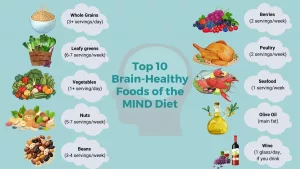
One notable example is the MIND (Mediterranean-DASH Intervention for Neurodegenerative Delay) diet, which emphasizes cooking primarily with olive oil. The MIND diet melds the Mediterranean eating pattern with the DASH eating plan.
In observational studies, people who follow the MIND diet tend to experience slower declines in cognition and memory with age, and after stroke (37, 38, 39, 40).
A 4.5-year follow-up of 923 participants found a 53% lower incidence of Alzheimer’s disease among those most strictly following the diet (41).
The diet’s overall mix of brain-healthy foods likely contributes to these effects. Besides olive oil, the MIND diet is rich in vegetables, berries, nuts, whole grains, and fish, while being low in sodium.
Additionally, lab and animal studies suggest oleocanthal, present in olive oil, may help reduce brain plaques linked to Alzheimer’s, although more human research is required (42).
Summary: Diets that include ample olive oil may help slow age-related cognitive decline and lower Alzheimer’s disease risk.
7–10. Other possible health effects
While evidence is still emerging, cold-pressed olive oil may offer additional health advantages, including:
- Lower risk of type 2 diabetes.Observational studies associate higher olive oil consumption — up to about 1.5 tablespoons (20 ml) per day — with a roughly 16% reduced risk of developing type 2 diabetes (43).
- Improved post-meal blood sugar responses.In a small trial, participants taking 20 mg of concentrated oleuropein, a compound in olive oil, showed a 14% smaller blood glucose spike after a meal compared with placebo (44).
- Alleviation of constipation.Some limited studies indicate that as little as 1 teaspoon (5 ml) of olive oil daily may help relieve constipation (45, 46).
- Slower progression of osteoarthritis.Animal research suggests olive oil and its components may protect cartilage, potentially slowing osteoarthritis-related damage (47).
Bear in mind that additional human studies are necessary to confirm these effects.
Summary: Preliminary findings suggest olive oil and its bioactive compounds may lower type 2 diabetes risk, improve blood sugar control, ease constipation, and combat osteoarthritis.
11. May help hair, skin, and nails
Although scientific backing is limited, olive oil is commonly used in soaps, body cleansers, and moisturizers.
Common cosmetic uses include:
- Hair treatment.Apply 1–2 tablespoons (15–30 ml) to treat split ends or gently massage into the scalp to ease dryness, then shampoo out thoroughly.
- Skin moisturizer.Rub a thin layer onto the skin after showering or mix a dime-sized amount into your usual lotion. Blot any excess oil if needed.
- Cuticle care.Massage a drop into each nail bed to soothe cracked or dry cuticles.
Since lower-quality olive oils may contain irritants, extra virgin and virgin olive oils — both cold-pressed — are preferable for topical use.
People with sensitive skin should be cautious, as olive oil has been reported to worsen dry skin in some cases, particularly in infants and children (48, 49).
Summary: Olive oil may serve as a moisturizer for hair, skin, and nails, but scientific support is limited and it may aggravate sensitive skin.
12. Simple to incorporate into meals
Cold-pressed olive oil is versatile: suitable for sautéing, roasting, and baking, and excellent in dressings, sauces, and marinades.
Swapping saturated fats for this oil can be particularly advantageous. Try these substitutions (50):
- Use cold-pressed olive oil instead of butter, shortening, lard, or bacon grease when cooking.
- Choose salad dressings made with olive oil or prepare your own at home.
- Pick olive-oil-based sauces like pesto rather than cream- or cheese-heavy alternatives.
- Use hummus made with olive oil as a vegetable dip instead of creamy dressings.
- Dip bread into cold-pressed olive oil and seasonings as a butter alternative.
Cold-pressed olive oil can be used for deep-frying, although frequent use of deep-fried foods should be limited because of the high calorie content (51, 52).
Also remember that olive oil is energy-dense; if you track calories, account for the oil within your daily allowance to prevent unintended weight gain.
Summary: Cold-pressed olive oil is a heart-healthy choice for everyday cooking and shines in dressings, sauces, and dips.
The bottom line
Cold-pressed olive oil may preserve more nutrients than oils handled with heat.
It’s loaded with healthy fats, vitamins E and K, and several antioxidants and anti-inflammatory compounds that may support heart and brain health, among other benefits.
You’ll likely reap the greatest benefits by using cold-pressed olive oil as a replacement for fats like lard, butter, or margarine.

















Leave a Reply
You must be logged in to post a comment.