

There’s strong scientific evidence showing that low carb diets can be highly effective for weight loss and metabolic health. However, even when you’re committed, progress can slow down or completely stall before you reach your target weight.
If you’ve ever thought, “I ate too many nuts today,” or worried that small habits are sabotaging your progress, you’re not alone. Even minor dietary patterns — like snacking mindlessly or underestimating portion sizes — can influence results on a low carb plan.

This comprehensive guide explores 15 common reasons you may not be losing weight — or may feel like you’re not losing weight — while following a low carb diet, along with practical strategies to help you move forward.
1. You’re losing fat, you just don’t realize it
Weight loss rarely follows a straight line. It’s normal for the scale to fluctuate from day to day due to fluid shifts, hormonal changes, and digestion. Seeing the number go up occasionally doesn’t necessarily mean your low carb diet isn’t working.
Many individuals experience rapid weight loss in the first week of a low carb diet. This initial drop is typically water weight. After this phase, fat loss tends to continue at a slower, steadier pace.
It’s also important to understand that losing weight and losing fat are not identical.
If you’ve recently started resistance training or strength workouts, you may be building muscle while simultaneously losing fat. Because muscle tissue is denser than fat, the scale may not reflect your true progress.
Instead of relying solely on body weight, consider tracking waist circumference with a measuring tape. You can also ask a healthcare professional to assess your body fat percentage periodically. Progress photos and noticing how your clothes fit can also provide valuable insight.
2. You’re not cutting back enough
Carbohydrate tolerance varies significantly from person to person. Some individuals are more sensitive to carbs and may require a lower intake to continue losing weight.
If your progress has plateaued, you may need to modestly decrease your daily carbohydrate intake while maintaining adequate protein and healthy fats.
A balanced low carb approach typically includes quality protein sources, healthy fats, and low carb vegetables. Using a reliable online nutrition tracker can help you determine whether hidden carbs are creeping into your meals.
Before making major dietary adjustments, consult with a dietitian or healthcare professional. Restrictive eating patterns can carry health risks if not properly supervised.
3. You’re feeling stressed
Optimal weight loss involves more than nutrition and exercise. Mental health and stress management play critical roles.
Chronic stress keeps your body in a prolonged “fight or flight” state, increasing levels of stress hormones such as cortisol.
Persistently elevated cortisol can stimulate appetite and intensify cravings for calorie-dense, less nutritious foods.
Incorporating stress-reduction techniques like meditation, deep breathing, journaling, gentle yoga, or spending time outdoors may support both emotional well-being and weight management.
4. You’re not eating nutritious food
A low carb diet isn’t simply about reducing carbohydrates — it’s about replacing them with whole, nutrient-dense foods.
Highly processed “low carb” packaged items may technically fit your carb target but often lack essential nutrients and can hinder progress.
Focus on lean meats, fish, eggs, vegetables, and healthy fats to create balanced meals that promote satiety and metabolic health.
Occasional treats are reasonable. However, consuming desserts daily — even those labeled paleo or keto-friendly — may slow fat loss.
Healthy fats such as avocado and walnuts are valuable components of a low carb plan. Still, portion control matters. If you’ve ever caught yourself thinking, “I ate too many nuts today,” you’re not imagining the impact. Nuts are calorie-dense, and frequent overeating can quietly raise your daily energy intake. For a deeper look at Eating too many nuts side effects, it’s helpful to understand how excess calories accumulate.

Attempting to restrict both carbs and fats at the same time may leave you excessively hungry. On the other hand, eating only protein can negatively affect your health.
A low carb, high fat, moderate protein pattern may help your body enter ketosis, where fat becomes the primary fuel source.
5. You’re eating too many nuts
Nuts are whole foods packed with nutrients, but they are also high in fat. For instance, almonds are approximately 50% fat.
Because nuts are energy-dense, it’s easy to consume large quantities without feeling full.
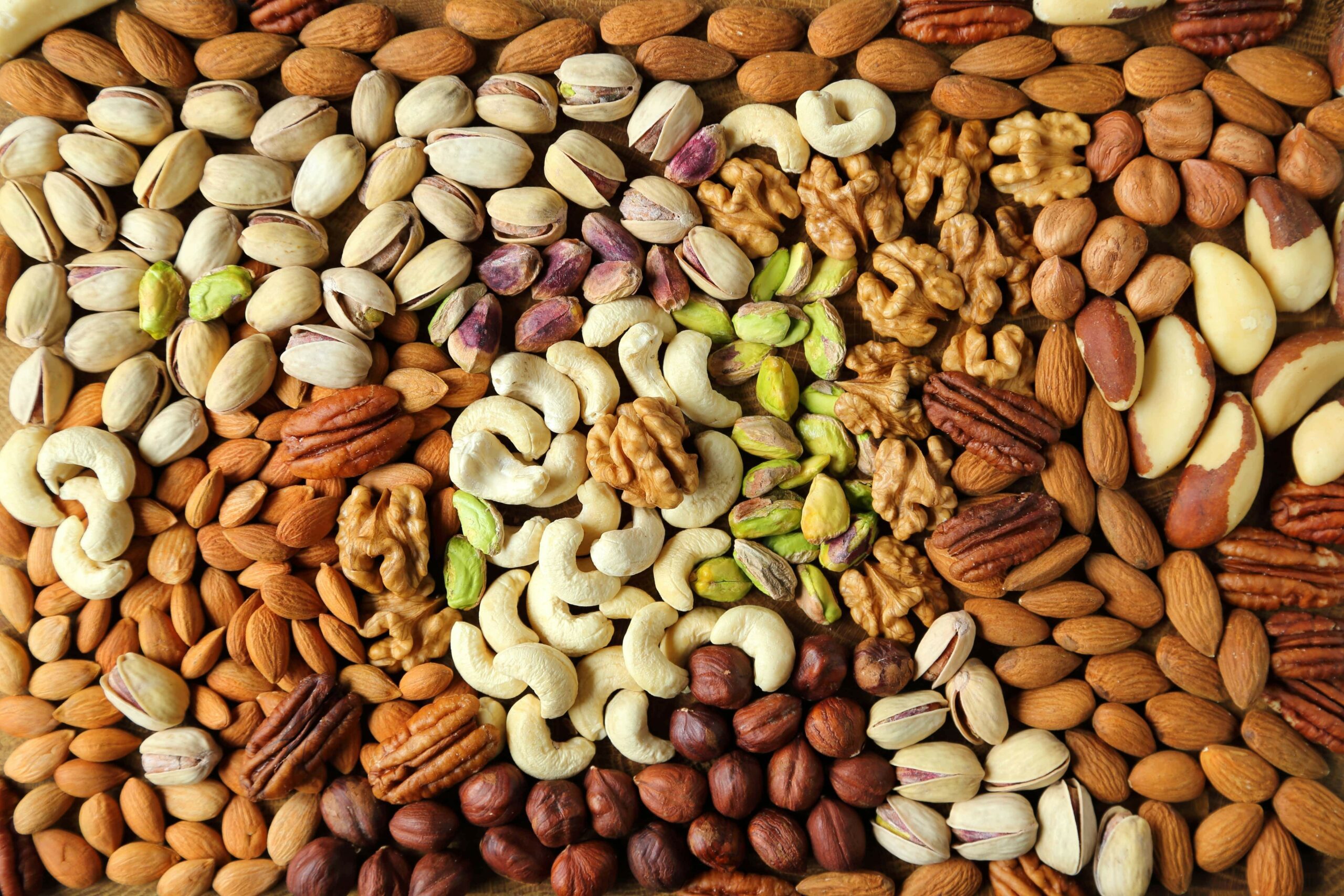
You might finish an entire bag without realizing it contains more calories than a standard meal. This is a common reason people say, “I ate too many nuts today,” especially when following a low carb diet.
Regularly snacking on nuts or nut butters can significantly increase total calorie intake, potentially preventing weight loss. Some people also wonder, Is eating too many nuts bad for your heart, particularly if they are concerned about fat intake. While nuts can support heart health in moderation, excess portions may still contribute to caloric surplus.
Practicing mindful portion control — such as pre-measuring servings — can help you avoid accidental overeating.
6. You’re not sleeping enough
Sleep is fundamental to overall health and weight regulation. Studies show that insufficient sleep is associated with weight gain and obesity.
Sleep deprivation can increase hunger hormones and reduce satiety signals, making it harder to control portions.
It may also lower energy levels and decrease motivation to exercise or prepare healthy meals.
Sleep disorders are common and often manageable. If you suspect a problem, speak with a healthcare professional.
To improve sleep quality:
- avoid caffeine after 2 p.m.
- sleep in complete darkness
- avoid alcohol and vigorous physical activity a few hours before bedtime
- engage in relaxing activities before bed, such as reading
- maintain a consistent sleep schedule
7. You’re eating too much dairy
Dairy products are low in carbohydrates but may cause issues for certain individuals.
They’re often rich in protein. Like carbohydrates, protein can stimulate insulin release, encouraging the body to store energy.
The amino acid profile of dairy protein makes it particularly effective at raising insulin levels. In fact, dairy proteins can stimulate insulin similarly to white bread.
Even if you tolerate dairy well, consuming it frequently may affect your metabolism and limit the benefits of a low carb diet.
You may notice improvements by reducing milk and limiting cheese, yogurt, and cream. Low protein, low lactose butter typically does not cause a significant insulin spike.
8. You’re not exercising effectively
Regular physical activity supports both mental and physical health.
Exercise may promote weight loss by:
- enhancing metabolic health
- increasing muscle mass
- improving mood
Combining different forms of exercise often yields the best results:
- Weightlifting: Strength training can optimize hormone levels and build muscle mass, which may support long-term fat loss.
- Interval training: High intensity intervals are a powerful form of cardio that can elevate metabolism and increase levels of human growth hormone (HGH).
- Low intensity: Staying consistently active with daily walking or light movement can have a substantial cumulative effect.
9. You’re eating too many ‘healthy’ sugars
On a low carb or ketogenic diet, sugars marketed as natural alternatives — such as coconut sugar or raw cane sugar — are still high in carbohydrates.
All forms of sugar can interfere with your body’s adaptation to a low carb eating pattern.
This includes:
- honey
- agave nectar
- other sugars
Low calorie sweeteners are acceptable for most people. However, if weight loss is stalled, review ingredient labels carefully, as some products contain digestible carbs as fillers.
10. A medical condition may be preventing weight loss
Several hormonal disorders can contribute to weight gain or make weight loss difficult, particularly hypothyroidism.
If you suspect an underlying condition, consult a healthcare professional and discuss your concerns about stalled progress.
Certain medications may also list weight gain as a side effect. Reviewing alternatives with your provider could be helpful.
11. You’re eating very frequent meals
Some health and fitness advice suggests eating many small meals daily to boost metabolism.
However, researchers have not consistently confirmed that frequent meals enhance weight loss.
Many dietitians believe it’s natural to eat fewer meals and occasionally go longer periods without food.
Intermittent fasting — eating within a specific time window, such as 8 hours daily, or incorporating occasional 24-hour fasts — can support weight loss for some individuals.
However, this approach isn’t appropriate for everyone. People with a history of disordered eating should consult a healthcare professional before attempting fasting.
12. You’re eating too many unhealthy foods
For some, occasional “cheat meals” can make a strict diet more sustainable.
For others, frequent indulgences may accumulate and stall weight loss.
If you feel a lack of control around certain foods, you may benefit from speaking with a healthcare professional about your relationship with eating.
13. You’re eating too many calories
Total calorie intake remains a key factor in weight gain and weight loss.
Low carb and ketogenic diets often reduce appetite naturally, leading to lower calorie consumption without deliberate restriction.
If weight loss has stopped, consider modestly reducing daily calories while maintaining balanced nutrition.
Online nutrition calculators can help identify calorie-dense foods.
Some experts suggest reducing intake by approximately 500 calories per day to achieve a weight loss of 1 pound (0.5 kg) per week, though individual results vary.
14. You set expectations too high
Weight loss requires patience. Feeling discouraged is understandable if progress seems slow.
For many people, losing 1 to 2 pounds (0.5 to 1 kg) per week is a realistic and sustainable goal.
Some individuals will lose weight more quickly, while others progress gradually.
Maintaining a nutritious diet, limiting processed foods, and exercising regularly provide meaningful health benefits — even if the scale doesn’t immediately reflect change.
15. You have been cutting carbs for too long
Maintaining a calorie deficit for extended periods can lead to metabolic adaptation, where your metabolic rate slows.
If you’ve been dieting for many months or years, consider a structured 2-month phase focused on weight maintenance and muscle building. This approach may support long-term sustainability and renewed fat loss later.
The bottom line
Every weight loss journey is unique, and meaningful change takes time.
If you’re thinking, “I ate too many nuts today,” or wondering why results have slowed, remember that small adjustments — from portion control to stress management — can make a significant difference.
Even when the scale doesn’t move as quickly as you’d like, prioritizing a balanced low carb diet, minimizing unhealthy carbs, staying active, and caring for your mental health all contribute to improved overall well-being.




















Leave a Reply
You must be logged in to post a comment.