


How often has someone reminded you to “stop slouching” or “stand up straight”? Although the spine naturally has gentle curves, many of us tend to lean forward throughout the day. If you’re already dealing with back discomfort, spinal pressure, or postural strain, paying closer attention to how frequently you hunch or sit at an angle can help prevent further stress and may complement a comprehensive Straightening of lumbar spine treatment plan.
Loss of the normal lumbar curve can contribute to muscle fatigue, stiffness, and even chronic lower back pain. Whether you’re managing a curved spine (lower back) or exploring options for Curvature of the spine in adults, small daily adjustments can make a meaningful difference. Below are five practical life hacks designed to help strengthen your back, encourage healthier alignment, and support long-term spinal health.
1. Stretch, before you do anything else
With demanding schedules and constant responsibilities, it’s easy to let healthy habits slide. Unfortunately, stretching is often the first activity we skip. However, dedicating just a few minutes every morning to gentle mobility exercises can significantly influence how your spine feels throughout the day and may enhance the results of any Straightening of lumbar spine treatment you’re following.
Morning stretching also helps awaken your body after hours of lying down — ideally 7 to 9 hours of rest. During sleep, muscles can become tight and joints slightly stiff. Begin with slow shoulder rolls to release upper back tension, then progress to toe touches to engage the hamstrings and lower back. Add standing forward bends to lengthen the posterior chain. Finish with a full overhead stretch, reaching upward to encourage spinal elongation and improved posture.
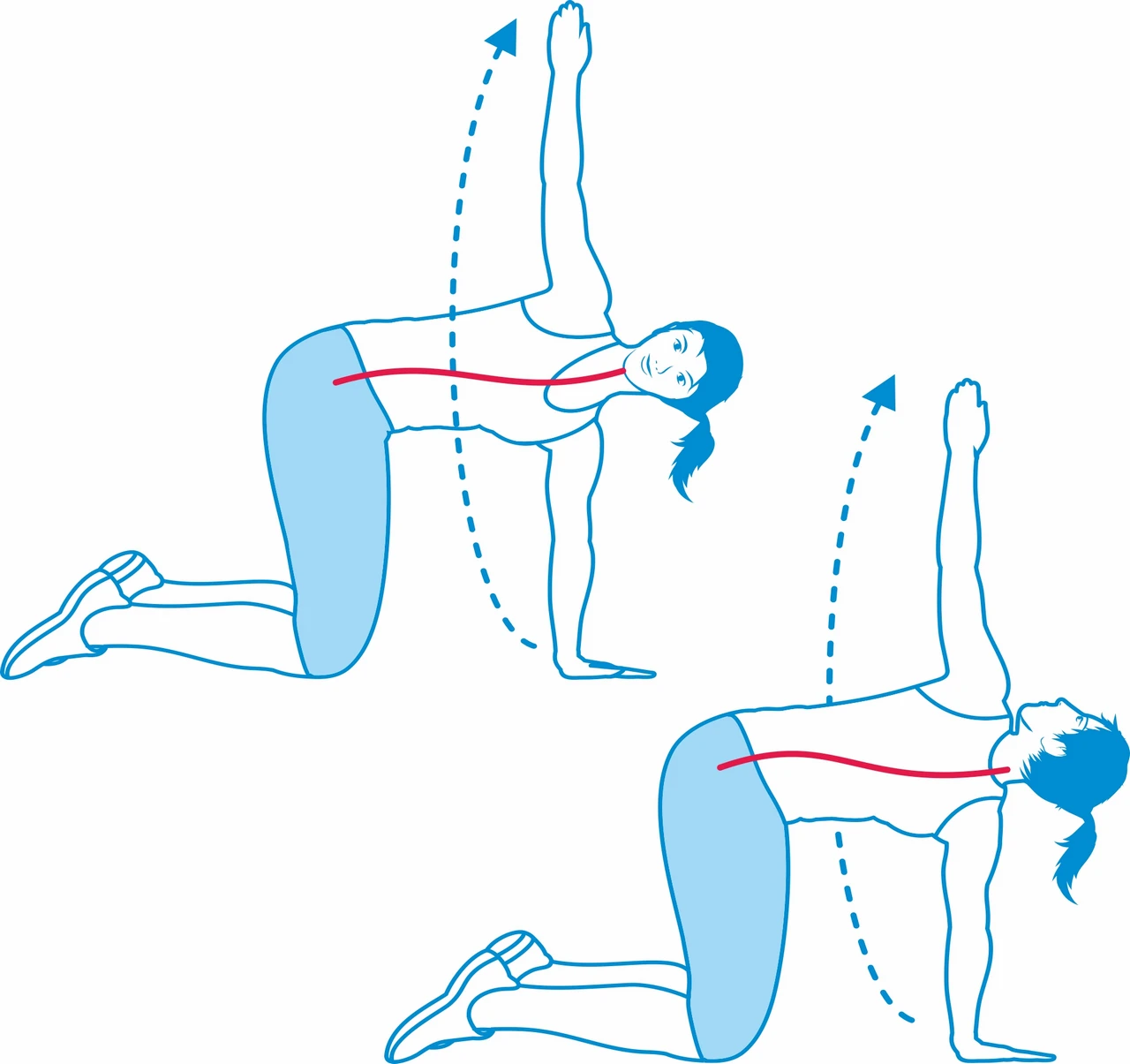
Consistent stretching supports flexibility in the lumbar region, reduces muscle imbalances, and promotes better alignment. Over time, this simple habit can decrease strain on the lower back and help restore a more natural spinal curve.
2. Disconnect more often
It’s no exaggeration to say we’re attached to our smartphones. A recent study revealed that the average individual looks at, taps, swipes, or clicks their phone more than 2,617 times daily. Repeatedly tilting your head downward places significant stress on the cervical spine — up to 60 pounds of additional pressure.
While this directly affects the neck, poor upper-spine posture can cascade downward, influencing the thoracic and lumbar regions as well. Over time, this forward-head position can contribute to muscular imbalances that may worsen lumbar straightening or intensify lower back discomfort.
Even briefly setting your phone aside each day can ease cumulative spinal strain. Start with manageable goals: avoid checking your device during your commute, resist picking it up while exercising, or establish a “no phone” rule at dinner. Encourage family members to participate. Every moment you choose not to look down at a screen gives your spine a chance to reset into a healthier, more neutral alignment.
Reducing screen time is a simple yet powerful lifestyle adjustment that can complement posture correction exercises and other conservative approaches used in Straightening of lumbar spine treatment.
3. Take a look at what’s on your feet
Spinal alignment begins at ground level. Your feet form the foundation of your entire musculoskeletal system. Wearing shoes that lack proper support or fit poorly can disrupt your posture and place added strain on your lower back and spine.
It’s important to think beyond outdoor footwear. What you wear inside your home matters, too. While socks and soft slippers may feel comfortable during colder months, supportive indoor shoes with nonslip rubber soles can offer better stability and alignment.
Letting go of stylish high heels, flimsy flip-flops, or worn-out running shoes might feel inconvenient at first. However, replacing them with well-cushioned, supportive footwear can help distribute body weight more evenly and reduce pressure on the lumbar spine.

Some studies suggest that custom orthotics may provide additional support and alignment benefits. If you experience persistent lower back pain or posture-related issues, consult your doctor or schedule a visit with a podiatrist to explore whether orthotic inserts could support your spine more effectively.
Proper foot support is often overlooked, yet it plays a crucial role in maintaining spinal balance and can be an important adjunct to Straightening of lumbar spine treatment strategies.
4. Think before you sit
Many of us spend most of our day seated — commuting, working at a desk, attending meetings, eating meals, and relaxing in front of the television. Prolonged sitting has become routine, but excessive sedentary behavior can negatively affect spinal alignment and muscular strength.
Breaking the sitting cycle can be challenging. Consider setting reminders on your smartphone to stand, stretch, or walk briefly every hour. Even short movement breaks improve circulation, reduce stiffness, and relieve pressure on the lumbar discs.

Equally important is how you sit. Poor seated posture can flatten the natural lumbar curve, contributing to discomfort and muscle fatigue. Use these guidelines to maintain healthier sitting mechanics:
- Keep your back firmly supported against the chair, ensuring your lower back reaches the chair’s crease for lumbar support.
- Distribute your weight evenly across both hips instead of leaning to one side.
- Place your feet flat on the floor and avoid crossing your legs for extended periods.
If possible, use an ergonomic chair or a small lumbar roll to preserve the spine’s natural curvature. Mindful sitting habits are a cornerstone of conservative Straightening of lumbar spine treatment and may help prevent progression of posture-related spinal issues.
5. Practice deep breathing
How frequently do you pay attention to your breathing? Unless you regularly practice yoga or meditation, probably not very often. Yet breathing patterns and spinal alignment are closely linked. When you slouch or remain hunched over, your diaphragm becomes restricted, limiting full lung expansion.
This restriction increases pressure in the chest during inhalation and exhalation. In contrast, standing tall or sitting upright allows the diaphragm to function more efficiently. Proper diaphragmatic breathing helps lengthen the spine, gently encouraging expansion through both the upper and lower back.
Deep breathing supports more than just spinal health. Research indicates it may promote relaxation, lower stress levels, and improve mental focus. To practice, inhale slowly through your nose, allowing your abdomen to expand, hold briefly, and then exhale fully.
Integrating mindful breathing into your daily routine can enhance posture awareness, reduce muscular tension, and serve as a supportive component of Straightening of lumbar spine treatment. Over time, these small, consistent habits can contribute to better spinal alignment, reduced discomfort, and improved overall well-being.






















Leave a Reply
You must be logged in to post a comment.