
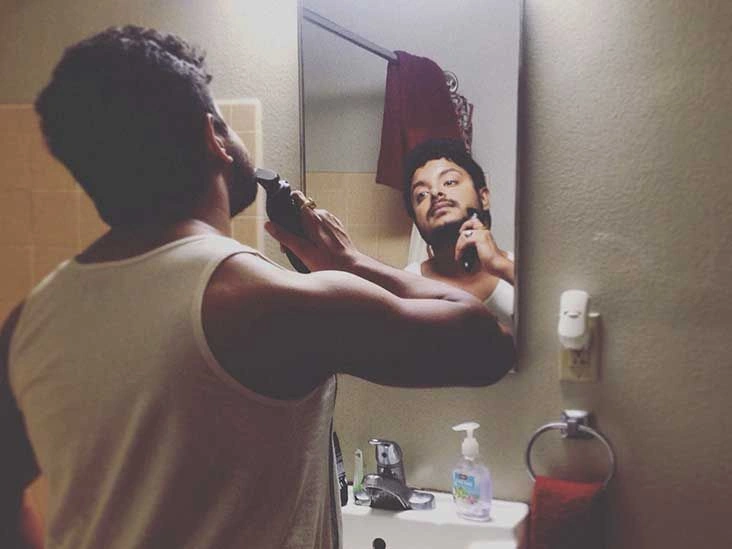
Razor bumps can be irritating and uncomfortable, but there are practical steps you can take to calm the skin, such as applying aloe vera or gently exfoliating the affected area. If you’re searching for How to treat razor burn on pubic area overnight, understanding both immediate soothing methods and long-term prevention strategies is essential. Shaving in the direction of hair growth, choosing an electric razor, and following proper skin care techniques can significantly reduce the risk of razor bumps and irritation.
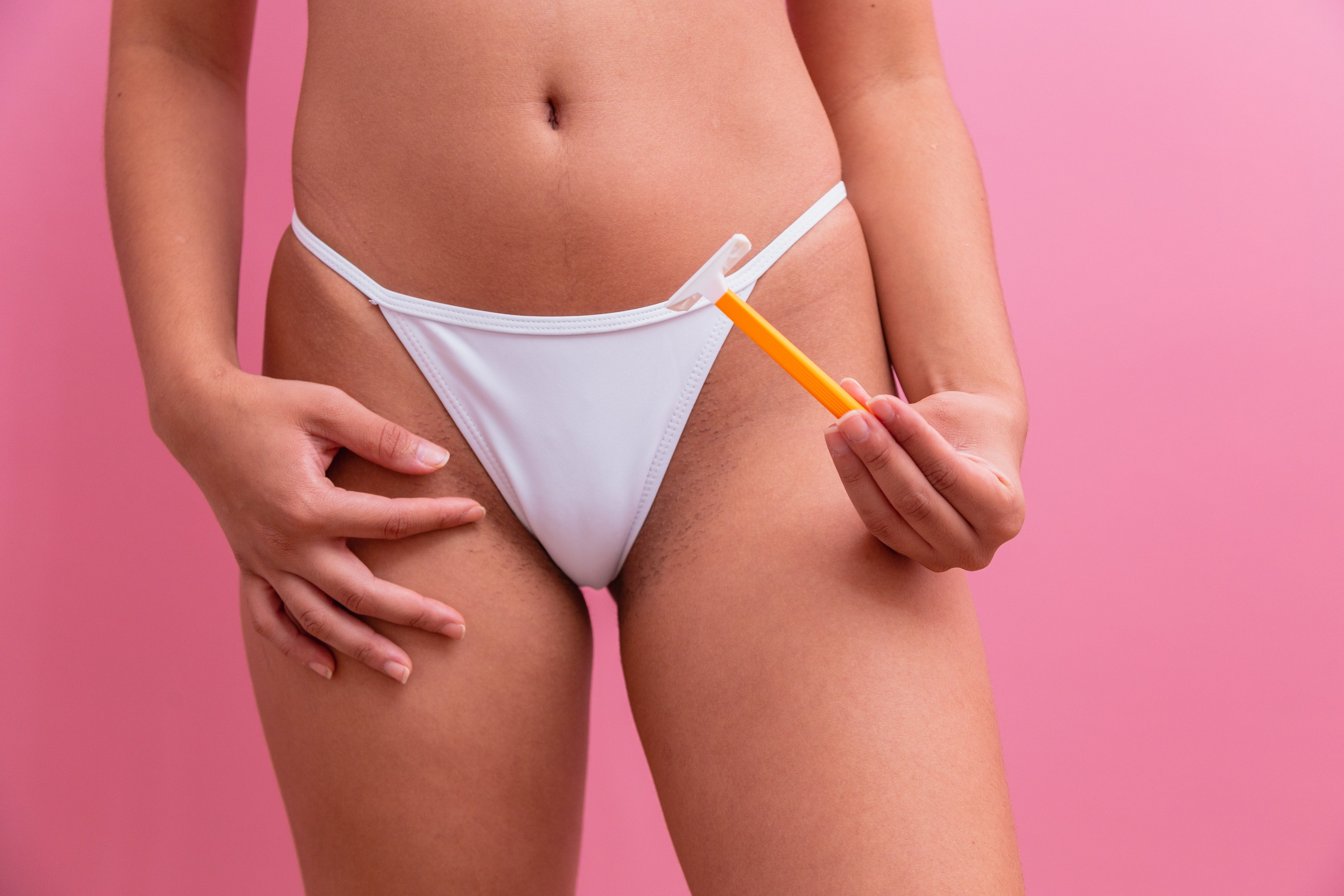
A close, clean shave can leave your skin feeling silky and smooth at first — but soon after, red, inflamed bumps may appear. Razor bumps are not just a cosmetic nuisance; if left unmanaged, they can sometimes lead to lasting skin damage or discoloration. Learning How to treat razor burn on pubic area properly can help protect sensitive skin, particularly in delicate regions like the groin.
Razor bumps are also known by several medical terms:
- pseudofolliculitis barbae (PFB)
- pseudofolliculitis pubis (specifically when the bumps occur in the pubic area)
- barber’s itch
- folliculitis barbae traumatica
Symptoms of razor bumps
The hallmark symptom is raised, red bumps on the skin. However, additional signs may develop, including:

- itching
- pain or tenderness
- darkening of the skin (post-inflammatory hyperpigmentation)
- small papules (solid, rounded bumps)
- pustules (pus-filled, blister-like lesions)
Razor bumps may form anywhere hair has been removed by shaving. In some individuals, waxing, tweezing, or chemical depilatories can also trigger similar irritation. They most commonly appear on the:
- face (especially the chin, neck, and lower cheeks)
- underarms
- groin and pubic area
- legs
In sensitive regions, many people specifically look for guidance on How to treat razor burn on pubic area female, as the skin in this area tends to be thinner and more prone to inflammation.
Causes and risk factors
According to Dr. Cynthia Abbott, a medical, surgical, and cosmetic dermatologist with Dermatology Affiliates in Atlanta, Georgia, razor bumps develop when curly hairs become trapped inside hair follicles.
“Instead of growing straight out of the follicle, hairs meet resistance from dead skin at more steeply angled pore openings and the hair curls back around inside the pore,” she explains. “This causes inflamed, painful, red bumps.”
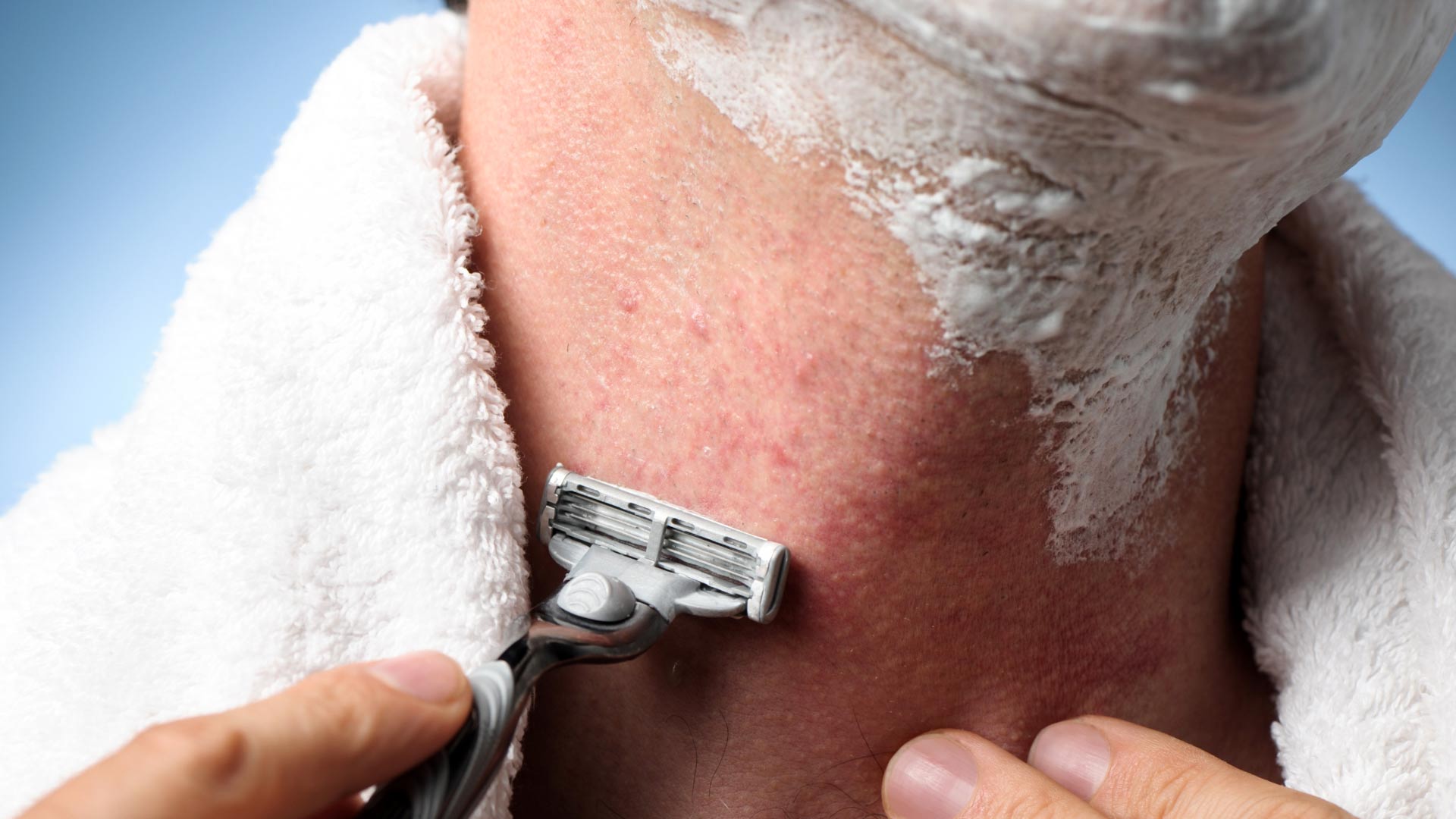
Anyone who removes hair can experience razor bumps, but they are particularly common among African-American males. In fact, between 45 and 85 percent of African-American males experience PFB. Hispanic men and individuals with naturally curly or coarse hair are also at increased risk. Curved hair shafts are more likely to re-enter the skin after shaving, which leads to inflammation and ingrown hairs.
Diagnosis
Christopher Byrne, a certified physician assistant with Advanced Dermatology PC in New York, advises that persistent or recurring bumps should be evaluated by a dermatologist. Razor bumps are sometimes mistaken for tinea barbae. Both tinea barbae and PFB can produce an itchy beard area, for instance.
“Tinea barbae is a fungal infection of hair-bearing areas and can look very similar to PFB on visual examination,” he notes. “Tinea barbae requires different medication for treatment in the form of oral and topical antifungal medications.”
PFB is typically diagnosed through a physical examination. In certain cases, a skin culture may be performed to determine whether bacteria are contributing to the inflammation. A related but distinct condition, sycosis barbae, is a form of deep folliculitis caused by a bacterial infection. It may initially present as small pustules on the upper lip and can require targeted antibiotic therapy.
Home remedies for razor bumps
Although prevention remains the most effective approach, several natural remedies may ease discomfort and reduce redness. These methods are especially helpful if you’re trying to figure out how to treat razor burn on pubic area overnight and want gentle, accessible solutions.
Aloe vera
Aloe vera offers antibacterial, soothing, moisturizing, and anti-inflammatory benefits. It can quickly relieve itching, calm inflammation, and minimize redness associated with razor bumps.
Extract fresh aloe gel directly from the plant’s leaves and apply it to the irritated skin. Allow it to dry and remain in place for at least 30 minutes before rinsing or leaving it on overnight. Reapply several times daily for continued relief.
Tea tree oil
Tea tree oil contains antibacterial, anti-inflammatory, and antiseptic properties. It may help open pores, loosen ingrown hairs, and reduce swelling and redness.
Add 10–15 drops of tea tree oil to a bowl of warm water. Soak a clean washcloth in the mixture and place it over the affected area for about 30 minutes. Repeat a few times daily as needed. Always perform a patch test first, especially on sensitive pubic skin, to avoid further irritation.
Exfoliating scrub
Careful exfoliation can remove dead skin cells that clog pores and trap hairs beneath the surface. Use a gentle, store-bought exfoliator or create a simple paste by combining sugar and olive oil.
Massage the exfoliant onto the area using small, circular motions for approximately five minutes. Rinse thoroughly with warm water and pat dry. Avoid aggressive scrubbing, particularly in the groin area, as excessive friction can worsen inflammation.
Treatment options
Inflamed red bumps may require medical treatment, particularly if home remedies are ineffective. Common options include:
- prescription antibacterial lotions
- warm compresses with green tea bags
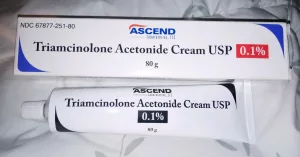
- spot treatment with over-the-counter steroid creams
In some cases, a sterile incision and careful extraction of the ingrown hair may be necessary to relieve persistent inflammation.
Laser hair removal or electrolysis can also be effective for long-term management. “No hair follicle growth means no chance of an ingrown hair,” Byrne explains. However, these options may not always be practical depending on the treatment area and financial considerations. According to the American Society of Plastic Surgeons, the average cost of a laser hair removal session is $306, though the total number of sessions required varies from person to person.
How to prevent razor bumps
The encouraging news is that razor bumps can often be avoided with consistent preventive measures. Whether you’re prone to PFB on the face or dealing with irritation in the pubic region, proper shaving habits are key.
Tips
- Avoid shaving too closely to the skin.
- Shave in the direction of hair growth rather than “against the grain.”
- Apply a non-irritating shaving cream or gel to reduce friction.
- Use an electric razor when possible.
- Avoid stretching or pulling the skin while shaving.
- Decrease how often you shave to allow hair to grow out slightly.
- Replace razor blades frequently to maintain sharpness and hygiene.
- Exfoliate with retinoids, glycolic or salicylic acids, or benzoyl peroxides to help keep follicle openings clear.
Additionally, shaving after a warm shower can soften hair and open pores, making it less likely that hairs will curl back into the skin. Applying a gentle, fragrance-free moisturizer afterward can further support skin barrier repair.
Complications
When addressed promptly, most serious complications from razor bumps can be prevented. However, untreated or repeatedly irritated areas may develop scarring. This can include keloid scarring, which appears as firm, raised growths on the skin. In rare situations, abscesses may form and require surgical intervention.
Outlook
PFB is a chronic condition that can cause significant physical discomfort and cosmetic concern. Fortunately, with appropriate skin care adjustments and preventive strategies, it is usually manageable. If at-home measures fail to improve symptoms — or if you notice worsening pain, spreading redness, or signs of infection — consult a healthcare professional promptly. Early treatment reduces the risk of long-term scarring and helps maintain healthy, irritation-free skin.











Leave a Reply
You must be logged in to post a comment.