
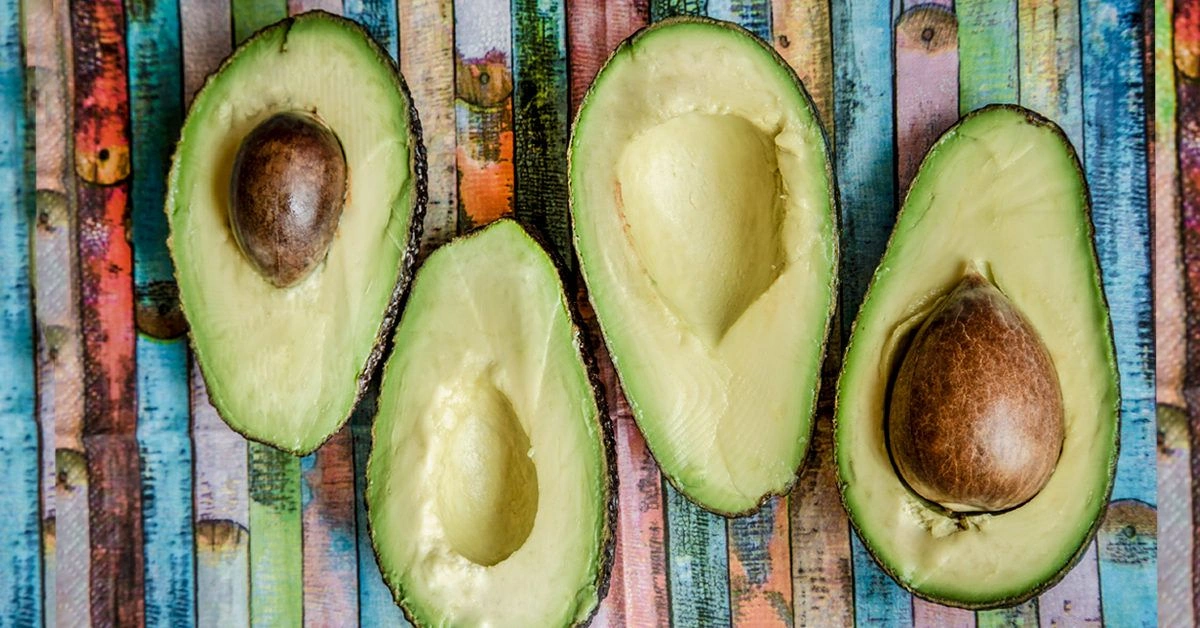
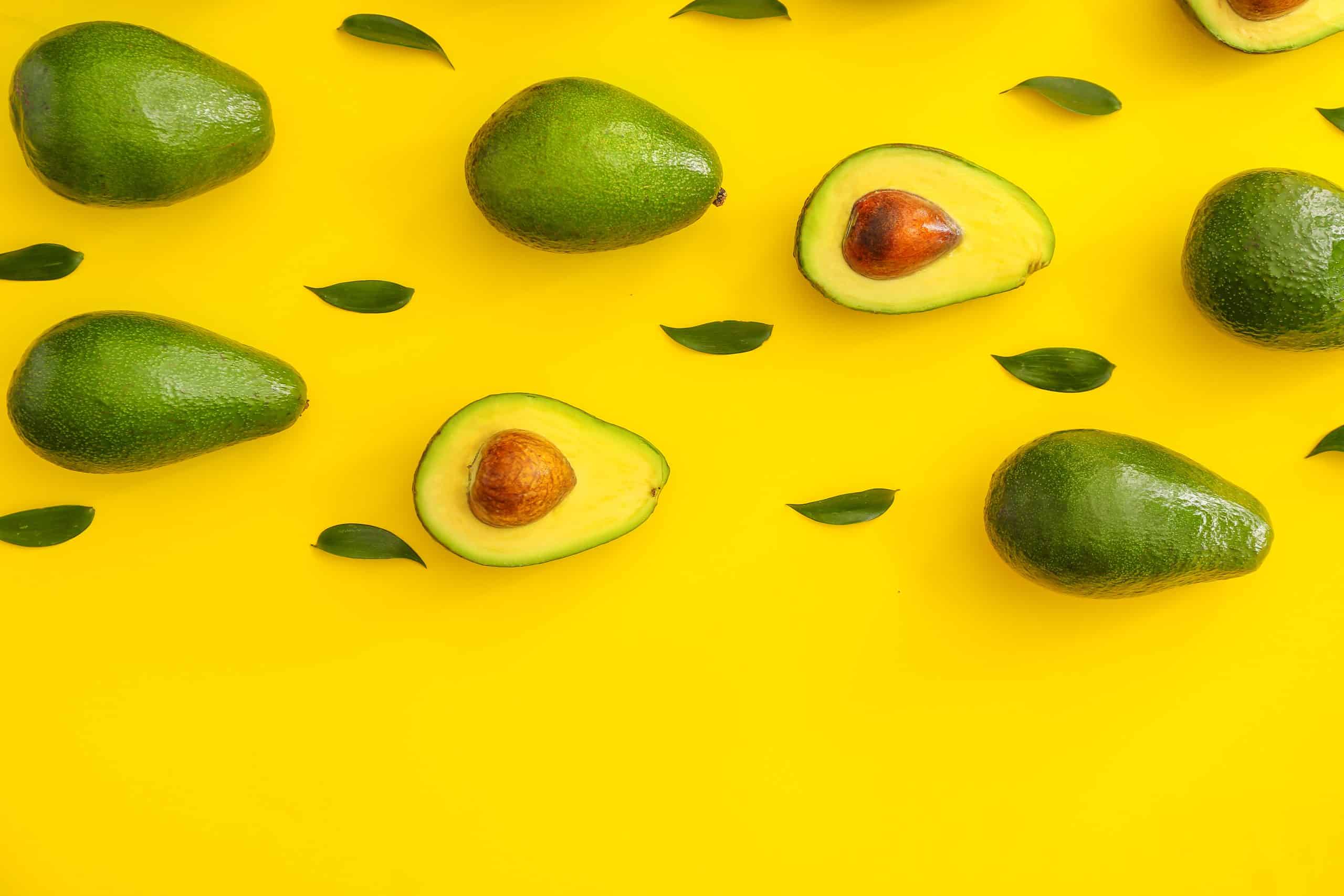
Avocados are pear-shaped fruits that develop on evergreen trees in tropical climates.
They typically feature a bumpy, green exterior, creamy flesh, and a sizable pit in the center.
Available in an array of shapes, sizes, hues, and textures, their taste is commonly described as mildly nutty and rich.
Although you might only recognize a handful of avocado kinds, there are hundreds cultivated worldwide — with 56 varieties grown in Florida alone. Many are hybrids, meaning they result from breeding two different varieties to create a new one (1).
This piece examines 15 common avocado varieties, along with their attributes and distinctions.
Health benefits of avocados
Avocados are exceptionally nutrient-dense. They provide good amounts of folate, potassium, and beneficial fats, as well as vitamins K, C, and E. They also supply modest quantities of B vitamins and minerals like copper, phosphorus, magnesium, manganese, iron, and zinc (2, 3).
The monounsaturated fats in avocados — largely oleic acid — support heart health, reduce inflammation, and may possess anticancer attributes. Consuming avocados can also enhance absorption of fat-soluble nutrients (1, 4, 5, 6).
In addition, avocados are rich in fiber — a nutrient many Western diets lack. Some research indicates that people who eat avocados tend to have lower body weight, possibly due to the fruit’s high fiber and healthy fat content and its low glycemic index (3, 7, 8).
Avocados also contain eye- and brain-friendly antioxidants like lutein and zeaxanthin. These compounds may reduce the likelihood of age-related macular degeneration (AMD), cataracts, and neurodegenerative conditions such as Alzheimer’s (9, 10, 11).
Moreover, studies suggest that regular avocado consumers tend to be healthier and have a reduced risk of metabolic syndrome. That said, this association may partly reflect that avocado eaters often follow other nutrient-rich eating habits (12).
Summary: Avocados are nutrient-packed fruits that supply many vitamins, minerals, unsaturated fats, fiber, and antioxidants that may help protect against disease and boost health.
Different types of avocado
Even if your grocery shelf shows only a few kinds, hundreds of avocado varieties are cultivated globally. Although many hybrids exist, all avocados trace back to Guatemalan, Mexican, or West Indian origins (1, 13, 14).
Fruits are grouped as either A-type or B-type cultivars. The distinction is based on the timing and pollination behavior of the avocado tree’s flowers. This classification mainly matters to growers and has little impact for consumers.
Avocados partially self-pollinate through a mechanism called dichogamy. A-type flowers open as female in the morning and release pollen as males in the afternoon; B-type flowers do the opposite, accepting pollen in the afternoon and dispersing it in the morning (15).
Many cultivars share common traits with slight variations in size, color, flavor, shape, and peak season.
In the United States, California-grown avocados (Hass) are smaller with a pebbled skin, while Florida-grown ones tend to be larger with a smoother exterior (16).
Below are 15 of the most frequently encountered avocado types.
A-type cultivars
While many exist, the following are some well-known A-type avocados:
- Choquette.Choquette avocados have glossy, smooth skin and watery flesh that can leak when sliced. This variety originates from South Florida.
- Lula.Lula peaks in summer, contains less natural oil and more water than many other kinds. It tolerates cold but is vulnerable to fungal disease. Lula typically weighs about 1 pound (450 grams).
- Hass.The Hass is the most widely consumed variety. It’s sold year-round and is known for its buttery, nutty taste and round shape. Its skin shifts from bright green to a dark purplish-black as it ripens.
- Reed.Reed avocados are available only during summer. They have a milder flavor and are roughly softball-sized. Unlike many varieties, their skin stays green as they ripen.
- Pinkerton.The Pinkerton is elongated, with rough skin that peels easily and a small seed within creamy flesh. It ranges from about 0.5–1.5 pounds (225–680 grams).
- Gwen.Gwen resembles the Hass in flavor and looks. This larger Guatemalan-type has thick, dark-green skin that is straightforward to remove.
- Maluma.The Maluma is a dark-purple avocado discovered in South Africa during the 1990s. Trees grow slowly but yield a heavy crop.

B-type cultivars
Examples of B-type avocados include:
- Ettinger.Ettinger avocados are commonly cultivated in Israel, featuring bright green skin, a large pit, and a mild taste.
- Sharwil.Sharwil is an Australian variety with a rough green rind and yellowish flesh. It’s quite oily with a pronounced flavor and is sensitive to frost.
- Zutano.Zutano has a lighter yellow-green skin and a milder flavor compared with richer, more buttery varieties. It usually weighs around 0.5–1 pound (225–450 grams).
- Brogden.Brogden is a dark-purple hybrid between West Indian and Mexican types. It tolerates cold well but is difficult to peel, so it isn’t widely used commercially.
- Fuerte.Fuerte is characteristically pear-shaped and available for about eight months each year. Named for the Spanish word for “strong,” it has an oily texture reminiscent of hazelnuts.
- Cleopatra.Cleopatra is a compact, dwarf avocado that is relatively new to consumers.
- Bacon.Bacon avocados have a lighter flavor than many others. Their light-brown skin peels easily.
- Monroe.Monroe is a sizeable avocado that can exceed 2 pounds (910 grams). It’s firmer and less watery than some varieties.
Summary: Hundreds of avocado cultivars are grown worldwide, including many hybrids. Avocados are broadly classified as A-type or B-type based on flowering and pollination patterns.
How to choose the healthiest avocado
From a nutritional perspective, avocados are quite similar across varieties. All types are energy-dense and rich in healthy fats, vitamins, and minerals.
Florida-grown avocados are sometimes marketed as “lite” because they tend to have a slightly lower fat content than the popular Hass, but the overall nutrient difference is minor.
In general, all avocado types are highly nutritious and provide comparable health advantages.
How to Pick the Perfect Avocado
Summary: Most avocados show only small differences in nutrient profiles, as they’re all energy-dense and abundant in healthy fats, vitamins, and minerals.
The bottom line
Avocados are nutrient-rich fruits that offer numerous health benefits.
They’re packed with vitamins, minerals, antioxidants, unsaturated fats, and fiber, which may help reduce the risk of several chronic illnesses and support overall health.
Although only a couple of varieties are commonly known, hundreds of types grow worldwide, mainly varying in size, color, shape, texture, and flavor.
The most familiar and widely distributed avocado is the Hass. Still, other varieties you encounter will likely have a similar nutritional profile.
Either way, avocados are a valuable addition to a varied, nutrient-dense diet.























Leave a Reply
You must be logged in to post a comment.