
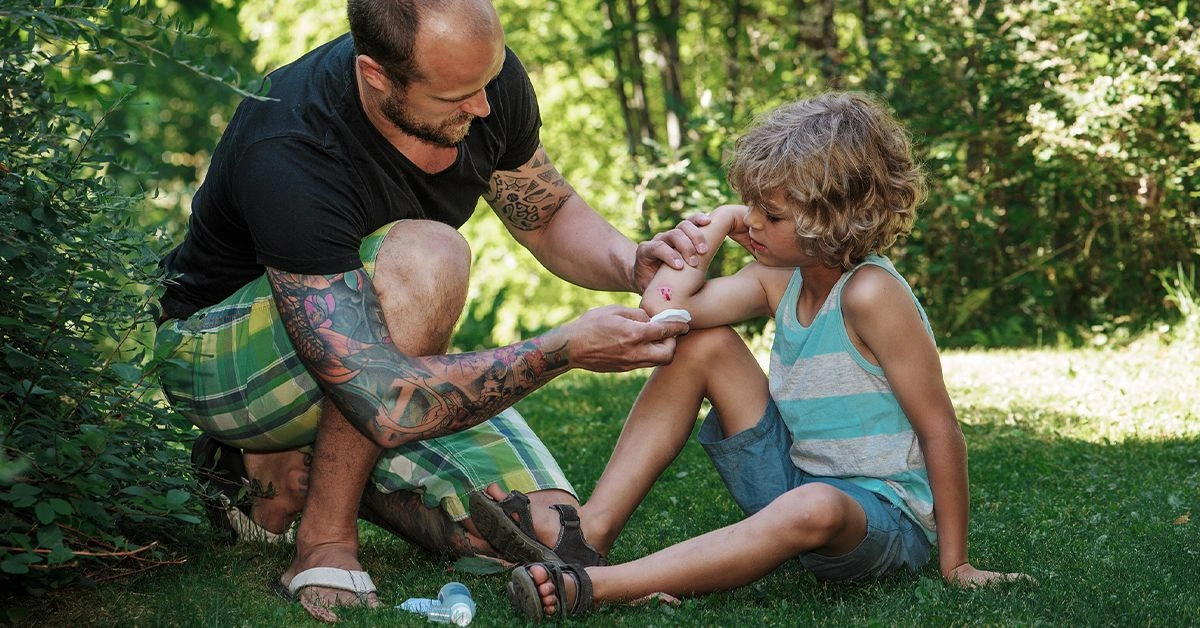
For moderately serious open injuries, the most dependable and effective over-the-counter (OTC) antiseptics include iodine-based solutions, biguanides, and peroxides.
Antiseptics are topical chemical agents applied to skin or wounds to limit the growth of harmful bacteria, viruses, or fungi.
Common OTC antiseptic categories include:
- alcohols, such as isopropyl alcohol
- biguanides, such as chlorhexidine
- iodine
- peroxidesFor moderately serious open injuries, the most dependable and effective over-the-counter (OTC) antiseptics include iodine-based solutions, biguanides, and peroxides.
Antiseptics are topical chemical agents applied to skin or wounds to limit the growth of harmful bacteria, viruses, or fungi.
Common OTC antiseptic categories include:
- alcohols, such as isopropyl alcohol
- biguanides, such as chlorhexidine
- iodine
- peroxides
- halogenated phenols
Minor cuts and scrapes can usually be managed with antibacterial soap and water, whereas more significant injuries may need professional medical care. Below is important information about using antiseptics and their safety.

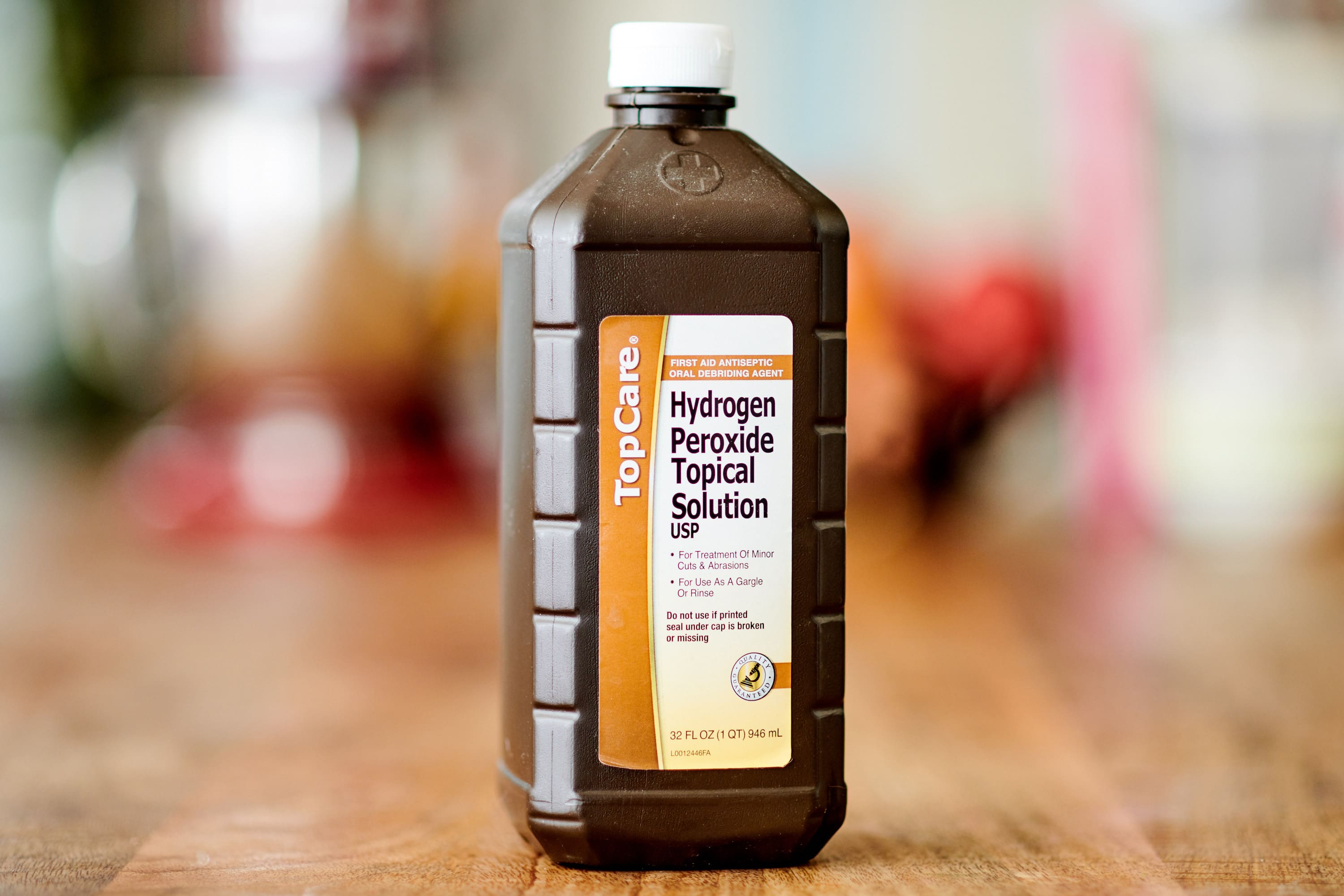
(img by The Kitchn) ADVERTISEMENTAre antiseptics safe to use on open wounds?
The Food and Drug Administration (FDA) deems some antiseptics acceptable for use on open wounds, while it flags ingredients in other OTC products as potentially unsafe.
The FDA has identified 24 antiseptic ingredients of concern. Only one of those remains an active ingredient still marketed as a healthcare antiseptic today. Currently, the FDA views triclosan as potentially unsafe.
Although researchers haven’t definitively shown these components to be harmful, evidence supporting their safety is limited, and their long-term effects are not fully known.
Repeated use of even commonly accepted antiseptics, like isopropyl alcohol, can cause cytotoxicity in wounds — meaning they may damage healthy cells and slow healing, according to 2022 research. Because of their strength, experts advise using antiseptics only when necessary or when there’s a real infection risk.
Remember that very minor cuts and grazes generally don’t need antiseptics to heal — soap and water are usually adequate to clean the area.
If your cut is larger or more serious, seeking medical attention is safer — more on that below.
When to seek medical care
Antiseptics should not be used for deeper or more serious injuries, including:
- burns or deep wounds more than a quarter-inch deep
- large wounds or burns that might need stitches
- wounds with heavy bleeding or bleeding that won’t stop after about 5 minutes of pressure
- any case where a foreign object is lodged in the skin, especially rusted material
- any wound displaying signs of a serious infection (e.g., increasing redness, pain, or pus)
- animal bites or scratches
- eye injuries
If a wound isn’t improving with standard care and antiseptic use, it’s wise to see a doctor promptly.
ADVERTISEMENTWhat are the best over-the-counter antiseptics for open wounds?
All antiseptics are intended to disinfect skin, but several are FDA-approved and formulated specifically for open wounds, including:
- Biguanides: These include chlorhexidine (brands such as Corsodyl, Covonia, Dermol, etc.). They’re available OTC and can help prevent infection in open wounds. They’ve been used in clinical practice for over 30 years and are commonly found in medical hand washes, wound cleaners, and surgical skin preps. They’re also useful for oral infections, sore throats, and skin infections and come as lozenges, mouthwashes, dental gels, creams, and lotions.
- Peroxides: Mild antiseptics like hydrogen peroxide can be used to help prevent infection in minor scrapes, burns, and cuts. They sometimes serve as a mouth rinse for issues like cold sores but aren’t adequate for treating deeper wounds.
- Iodine with povidone (e.g., Betadine): Known for more than a century as a highly effective antiseptic, povidone-iodine has broad antimicrobial activity with relatively low toxicity and is useful for disinfecting many mild to moderate wounds.
Alcohol-based antiseptics can be used in a pinch but are often too harsh and may delay healing over time.
What is the fastest way to heal an open wound?
To treat and help an open wound heal quickly, follow these steps recommended by health authorities like the NHS:
- Wash your hands with antibacterial soap or use clean disposable gloves.
- Rinse the wound with clean water or a saline solution to remove dirt and debris.
- Clean the wound using water and a mild antibacterial soap. Use tweezers if needed to take out remaining debris.
- Disinfect the wound with an antiseptic only if necessary. For minor injuries, soap and water may be sufficient. If using antiseptic, employ a clean cotton pad or sterile gauze to gently cleanse the area around the wound. You don’t need to apply antiseptic directly into the wound unless instructed by a clinician.
- Apply ointment to protect and seal the site. An antibiotic ointment like Neosporin can provide added antibacterial coverage, but petroleum jelly (Vaseline) will also protect the wound.
- Cover the wound to keep contaminants out using an adhesive bandage or dressing with tape. Note that deeper wounds may require sutures. If the wound appears infected (for example, swollen), avoid covering it tightly so it can air out.
- Repeat the care at least once daily, following the Centers for Disease Control and Prevention (CDC) guidance. Each time you clean the area, watch for infection signs like redness, swelling, or increased pain. To encourage healing and reduce scarring, don’t pick at scabs.
Keep learning about first aid
Being informed and ready can make a major difference in an emergency. Read more about first aid in these related articles:
- Introduction to First Aid
- How to Stop Bleeding from Cuts, Wounds, and More
- How to Treat a Bleeding Cut on Your Finger: Step-by-Step Instructions
- First Aid with Burns: Proper Response and Treatment
- How to Perform CPR: Hands-Only and Mouth-to-Mouth
ADVERTISEMENTTakeaway
Safe and effective OTC antiseptics for home wound care include iodine-based products, peroxides, and biguanides.
Minor injuries typically don’t require antiseptic use and can be cleaned effectively with soap and water. More serious wounds—such as those deeper than a quarter-inch—should be evaluated and treated by a healthcare professional.
If a wound shows signs of infection or fails to heal, consult a doctor, clinic, or other medical provider.
Frequently Asked Questions
Which antiseptic is safest for open wounds?
Can hydrogen peroxide be used on open wounds?
Are alcohol-based antiseptics good for wound care?
When should I see a doctor instead of using an antiseptic?
Do minor cuts need antiseptics or just soap and water?



















Leave a Reply
You must be logged in to post a comment.