

Recently, deer antler supplements — particularly deer velvet powders and extracts — have become more popular among athletes and bodybuilders aiming to enhance strength and stamina.
They have a long history of use for promoting youthfulness, fertility, blood pressure regulation, and other traditional applications.
Although some studies on these products are interesting, there is very limited scientific support for their ability to improve athletic performance in humans.
This article outlines what deer antler supplements are, common uses, and the scientific evidence regarding their benefits and risks.
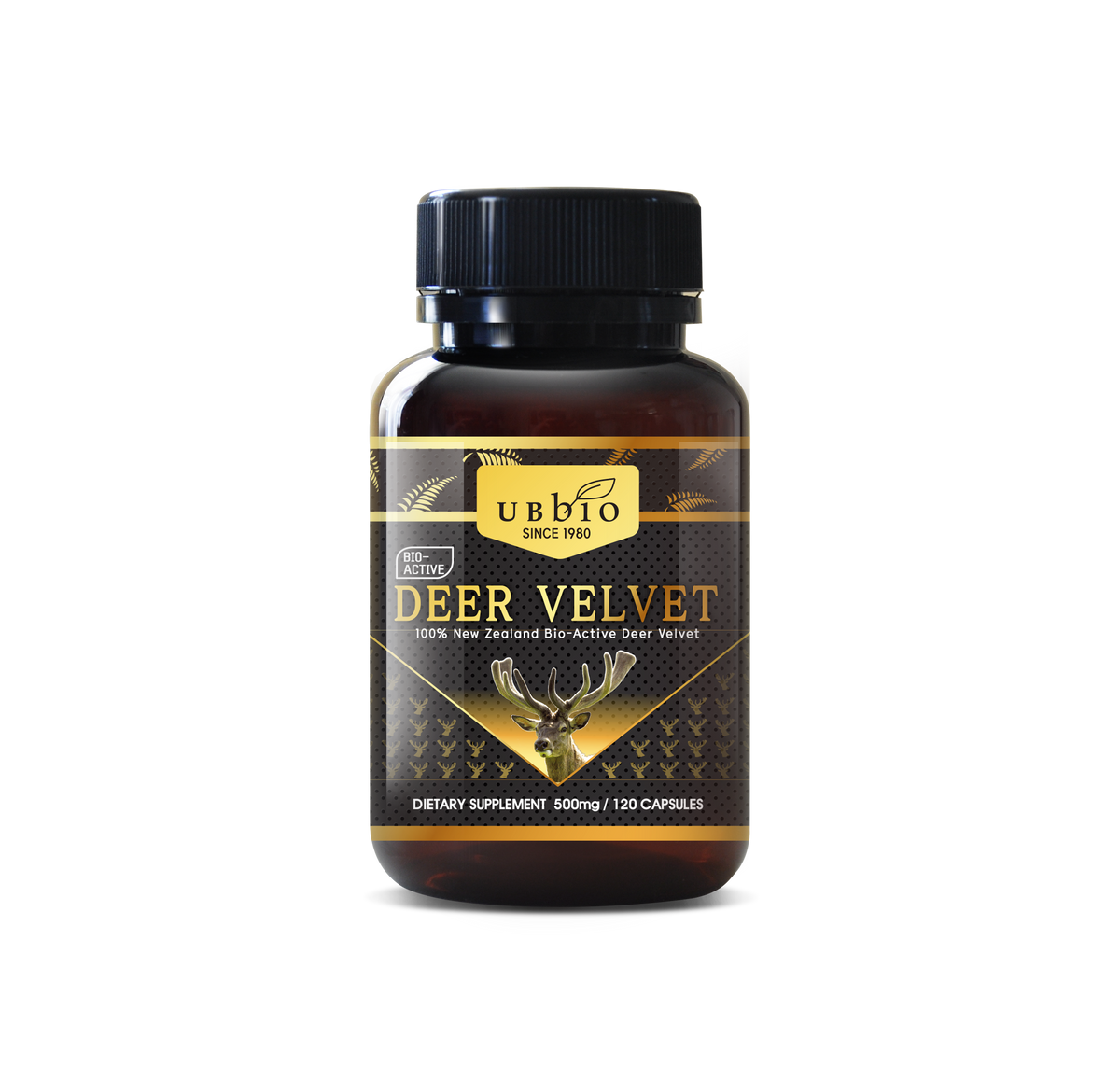
What is deer antler velvet?
Deer antler velvet is the soft, velvety skin that covers the bone and cartilage of newly grown antlers before they calcify, or harden.
Antlers are notable as some of the most rapidly growing bones in animals. Deer and elk shed and regrow antlers annually (1, 2, 3, 4).
This rapid growth likely contributes to the high regard for young antler velvet in traditional medicines. For instance, it has been employed in traditional Chinese medicine for millennia (2, 3, 5, 6).
How the supplements are produced
To produce antler velvet supplements, velvet-covered antlers are removed from young deer or elk before they calcify.
The procedure typically involves anesthetizing the animal, cutting off the velvet near the antler base, then separating, drying, and milling the velvet into a fine powder for supplement manufacture.
The powdered material may be sold in bulk or in capsules. You’ll also find extracts and sprays, which combine the powdered velvet with solvents to create concentrated preparations.
Traditional uses and modern claims
Historically, deer antler velvet has been used to fortify bones, enhance immunity, and address conditions such as toothaches and tissue injuries (2, 7, 8, 9).
A quick web search today will reveal dozens of ailments the supplement is promoted to help.
Common modern uses include attempts to boost strength, endurance, athletic output, and to assist in muscle and tissue repair.
Claims also extend to lowering blood pressure and cholesterol, promoting rejuvenation, enhancing fertility, and other effects. Sadly, many of these assertions lack robust research backing.
Summary: Deer antler velvet is the hairy protective layer on newly formed antlers. It has a long history in traditional medicine and is now frequently marketed to athletes for alleged strength, endurance, and healing benefits.
Nutrition
Deer antler velvet contains various compounds that could theoretically offer health advantages.
One sample from the Formosan sambar deer native to Taiwan contained several antioxidant enzymes, including superoxide dismutase (SOD), catalase (CAT), and glutathione peroxidase (GPX) (10).
An earlier 2013 review suggested antlers might have medicinal potential due to their amino acid and peptide content. Amino acids form proteins, while peptides are short chains of amino acids (11).
More recent studies have pointed to the protein fraction of deer antler velvet as a contributor to its proposed health effects (7, 12, 13).
Several in vitro studies support the idea that peptides from antler velvet may exert anti-inflammatory, immune-modulating, and cardioprotective effects (14, 15, 16, 17).
Deer velvet also contains nucleosides — organic molecules that are components of DNA — which may underlie the supplement’s reported anti-fatigue effects (18).
Summary: Deer antler velvet is a source of bioactive substances such as antioxidants, proteins, peptides, and nucleosides that are thought to contribute to its traditional medicinal reputation.
Possible benefits
Although deer antler velvet includes potentially useful nutrients and bioactive molecules, there is a scarcity of human-focused studies assessing concrete health outcomes.
Researchers are exploring a number of potential effects, including:
- Bone and cartilage support. In vitro research indicates antler velvet may help with bone and cartilage disorders. An animal study reported increased femoral length and elevated bone-related enzymes following supplementation (19, 20, 21, 22).
- Anti-fatigue and strength effects. Animal studies where mice received antler velvet noted that higher nucleoside content correlated with longer swim times, suggesting enhanced endurance and reduced fatigue (12, 23).
- Osteoarthritis relief. Antler velvet contains chondroitin, a cartilage component that may alleviate osteoarthritis pain. Other constituents might also support bone strength (24, 25, 26).
- Anti-cancer activity. Several cell and animal studies have reported anti-tumor and anti-cancer actions from antler velvet extracts (27, 28, 29, 30).
- Hair and skin benefits. A handful of studies in animals, humans, and in vitro suggest antler velvet may stimulate skin and hair cell activity, indicating possible improvements in hair growth and skin condition (31, 32, 33).
Despite these encouraging laboratory and animal findings, there aren’t enough well-designed human trials to confirm specific therapeutic uses for deer antler velvet.
Is it effective for bodybuilding?
A common marketing claim is that deer antler velvet enhances strength and endurance.
However, this claim largely rests on a small 2003 trial with 38 male participants.
That study reported that men who took deer antler velvet powder for 10 weeks while engaging in a strength-training program experienced greater improvements in knee strength and endurance than those on a placebo (34).
The study’s authors cautioned that further research was needed to validate the result. To date, no subsequent human trials have reproduced that outcome, although some animal work observed similar endurance effects (12, 23, 34).
Experts generally conclude that evidence is insufficient to endorse deer antler velvet for improving athletic performance or weightlifting outcomes (35).
Summary: Although labels often claim deer antler supplements boost performance and strength, rigorous research supporting these statements is nearly non-existent. Scientists are still examining other possible uses like osteoarthritis treatment and anti-fatigue effects.
Possible side effects and issues
There are currently no widely reported adverse effects specifically tied to taking deer antler velvet supplements.
However, these products commonly contain insulin-like growth factor 1 (IGF-1), which can cause known side effects such as (35, 36):
- headaches
- joint discomfort
- edema (swelling)
- low blood sugar
Moreover, IGF-1 is prohibited by many sports organizations. Athletes should be aware that using such supplements might violate doping rules.
Supplement regulation is often lax, so deer antler products can be adulterated or contaminated with other substances that may provoke adverse reactions.
Some researchers have raised concerns about potential contamination with harmful pathogens if the velvet is harvested from sick animals (37, 38, 39).
Given the limited safety data, exercise caution—especially if you are pregnant, breastfeeding, immunocompromised, using hormonal birth control, or undergoing hormone replacement therapy.
Also note that because deer velvet is removed surgically from living animals, some people object to its use on ethical grounds.
Summary: While reported adverse effects from deer antler supplements seem limited, more safety research is needed. Additionally, these products are banned in some competitive sports.
Dosage
No official dosing guidelines exist for deer antler velvet supplements.
Most manufacturers, however, suggest daily intakes generally between 500 and 1,000 mg.
It’s wise to consult a qualified healthcare professional before beginning supplementation so they can advise on an appropriate and safe amount for your situation.
Summary: If you opt to use deer antler supplements, follow the manufacturer’s recommended dosage and consult your healthcare provider beforehand.
Conclusion
Deer antler velvet supplements have long been used to support bone health and tissue repair.
Many in vitro and animal studies have explored their potential therapeutic properties, but only a small fraction of that research has been translated into reliable human evidence.
Therefore, approach these supplements cautiously, and remember that some athletic organizations prohibit their use.
Just one thing
Try this today: Keep in mind that supplements aren’t the only route to building muscle. Check out whole-food-based bodybuilding meal plans to see how a real-food diet can support muscle growth.


















Leave a Reply
You must be logged in to post a comment.