
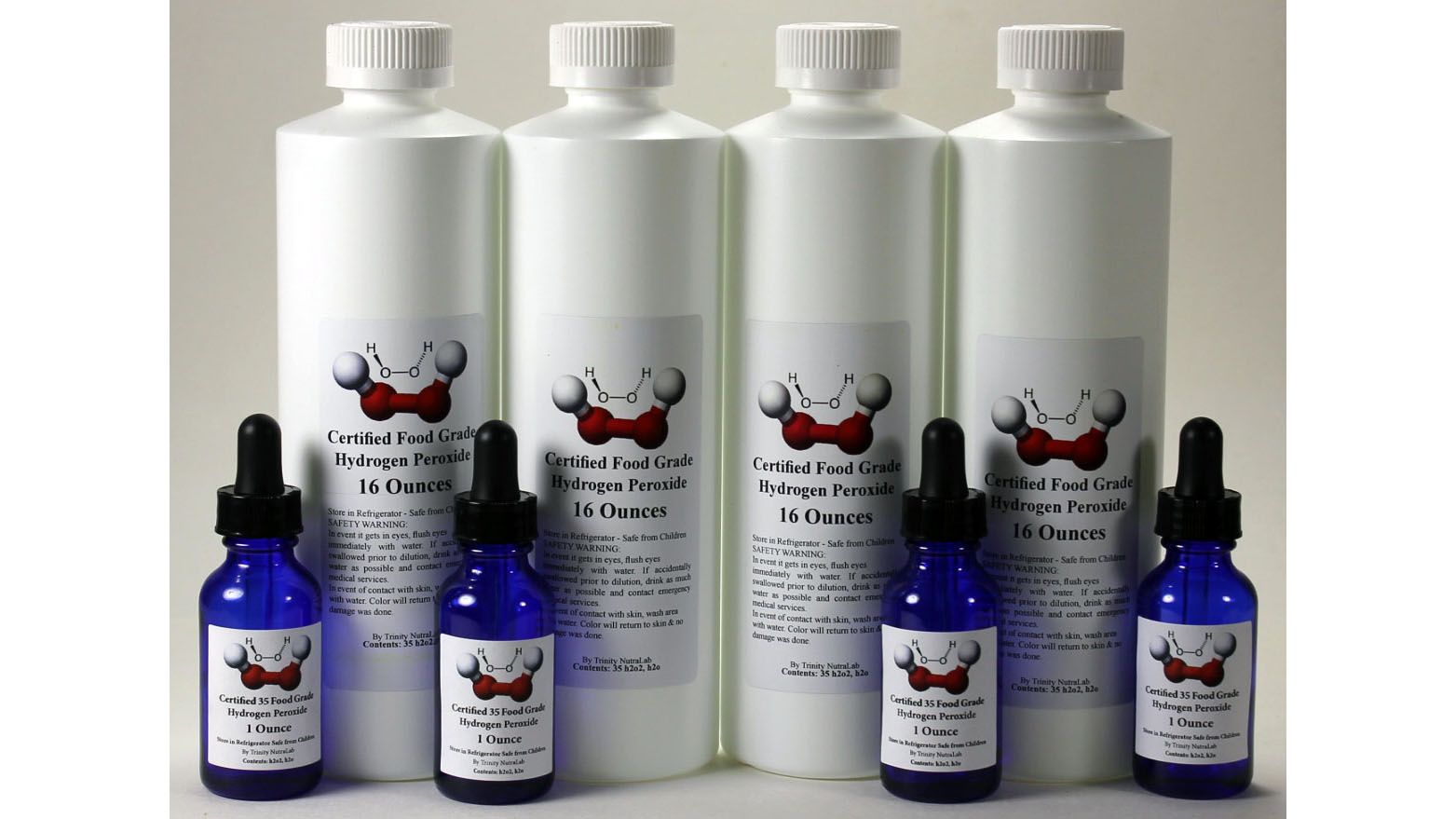
One common concentration of hydrogen peroxide is 35% H2O2 mixed with 65% water. Food manufacturers utilize 35% H2O2 for numerous applications, such as cheese processing and bleaching wheat flour.
Hydrogen peroxide (H2O2) is a transparent, colorless, and odorless liquid composed of hydrogen and oxygen. It’s sold in a range of concentrations, expressed as the percentage of H2O2 in water.
The 35 percent preparation is often labeled “food grade” partly because it lacks certain stabilizing additives:
- acetanilide
- phenol
- sodium stanate
- tetrasodium pyrophosphate
Those stabilizers appear in most other commercial hydrogen peroxide products and are not safe to ingest.
Regardless of concentration — even food grade 35% H2O2 — you should never ingest hydrogen peroxide.
Kinds of hydrogen peroxide
Besides food grade, hydrogen peroxide is sold in several dilutions:
- 3 percent H2O2 (“household” hydrogen peroxide): commonly found in supermarkets and pharmacies, usually in brown bottles
- 6 to 10 percent H2O2 (used for hair bleaching)
- 90 percent H2O2 (“industrial” hydrogen peroxide): available in stronger concentrations for bleaching paper and textiles, making foam rubber, and as a component in rocket propellants
Uses of food grade hydrogen peroxide
Diluted food grade hydrogen peroxide is frequently included in dental care products and procedures:
- mouthwash
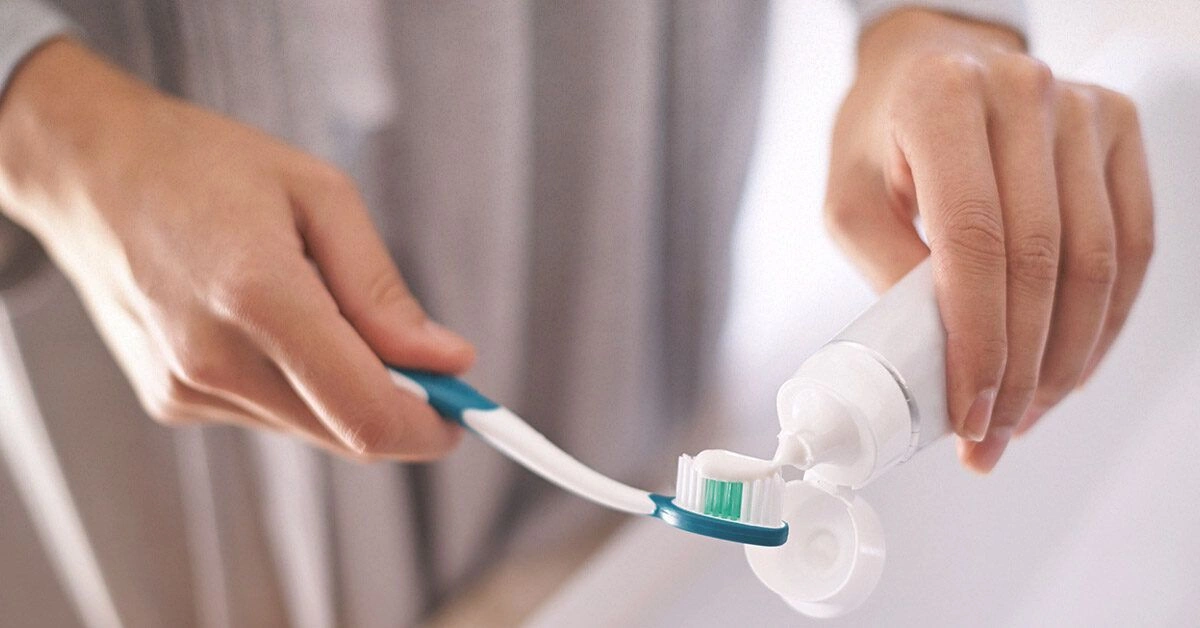
- toothpaste (often combined with baking soda)
- teeth whitening
- toothbrush disinfecting
People also use diluted food grade hydrogen peroxide in home food handling and storage, such as:
- antibacterial vegetable wash
- lettuce preservation
- meat or poultry marinades
When mixed with water, it’s also applied to household food-related cleaning tasks like:
- sanitizing cutting boards
- cleaning countertops
- refreshing sponges and dishcloths
- cleaning refrigerators
- sanitizing lunchboxes
Some people researching hair products may also be interested in hydrogen peroxide hair related topics when considering different concentrations.
Medical claims about 35% hydrogen peroxide
There are various home medical treatments based on diluted food grade hydrogen peroxide that lack scientific backing but are promoted by some alternative-health proponents.
Examples of these home remedies include:
- cleaning small cuts and abrasions
- gargling for sore throat relief
- acne treatment
- soaking boils
- treating athlete’s foot or other fungal infections
- softening calluses and corns
- addressing ear infections
- killing skin mites
- whitening nails
Certain advocates of food grade hydrogen peroxide for alternative therapies argue that illnesses stem from low oxygen levels in the body.
Although there is no scientific evidence supporting that claim, proponents recommend food grade hydrogen peroxide — in varying dilutions — for conditions including cancer, allergies, emphysema, AIDS, warts, lupus, arthritis, diabetes, and more.
These suggested remedies are not validated by medical research and should not be tried at home.
Risks of exposure to food grade hydrogen peroxide
Food grade hydrogen peroxide is safe for use on foods in minimal, controlled amounts. However, it can be hazardous if inhaled or swallowed, or if it touches the skin or eyes.
Inhalation
Breathing in food grade hydrogen peroxide can lead to:
- sore throat
- cough
- nausea
- dizziness
- headache
- shortness of breath
If you inhale H2O2, seek medical advice.
Skin contact
Food grade hydrogen peroxide may be corrosive to the skin and can cause:
- skin whitening
- burns
- redness
- pain
If your skin is exposed, rinse immediately with lukewarm water and soap for at least 10 minutes and contact your physician.
Eye contact
Food grade hydrogen peroxide can corrode the eyes and may produce:
- pain
- redness
- blurred vision
- severe, deep burns
- corneal ulceration
If H2O2 splashes into your eyes, flush with running water for at least 15 minutes and get medical attention.
Ingestion
Swallowing food grade H2O2 can cause:
- sore throat
- abdominal pain
- nausea
- vomiting
- possible internal bleeding
If you ingest food grade hydrogen peroxide, drink plenty of water and contact a healthcare provider immediately.
Prognosis
While food grade hydrogen peroxide has many legitimate uses, medical professionals advise against ingesting it and recommend extreme caution when handling concentrated solutions.
This substance can harm your skin and eyes.
If you’re thinking about using food grade H2O2 for any purpose, including as a medical treatment, consult your doctor first.























Leave a Reply
You must be logged in to post a comment.