
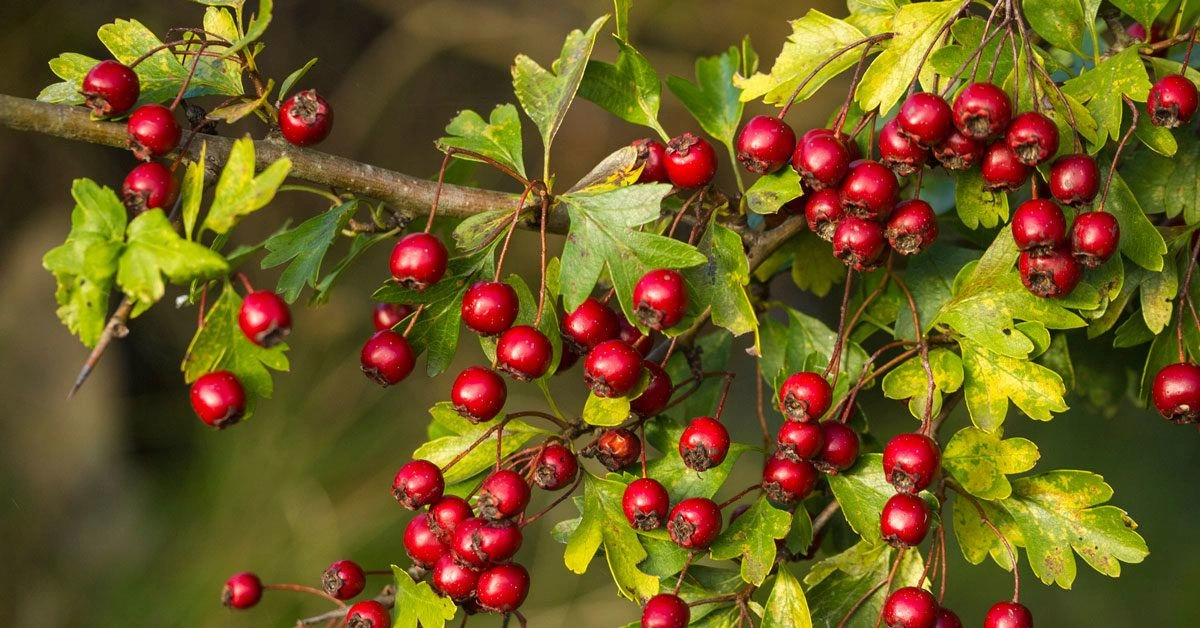
Hawthorn berry’s abundant antioxidant profile may help reduce blood pressure and cholesterol, ease inflammation, and support digestion. However, it can interact with certain cardiac drugs.
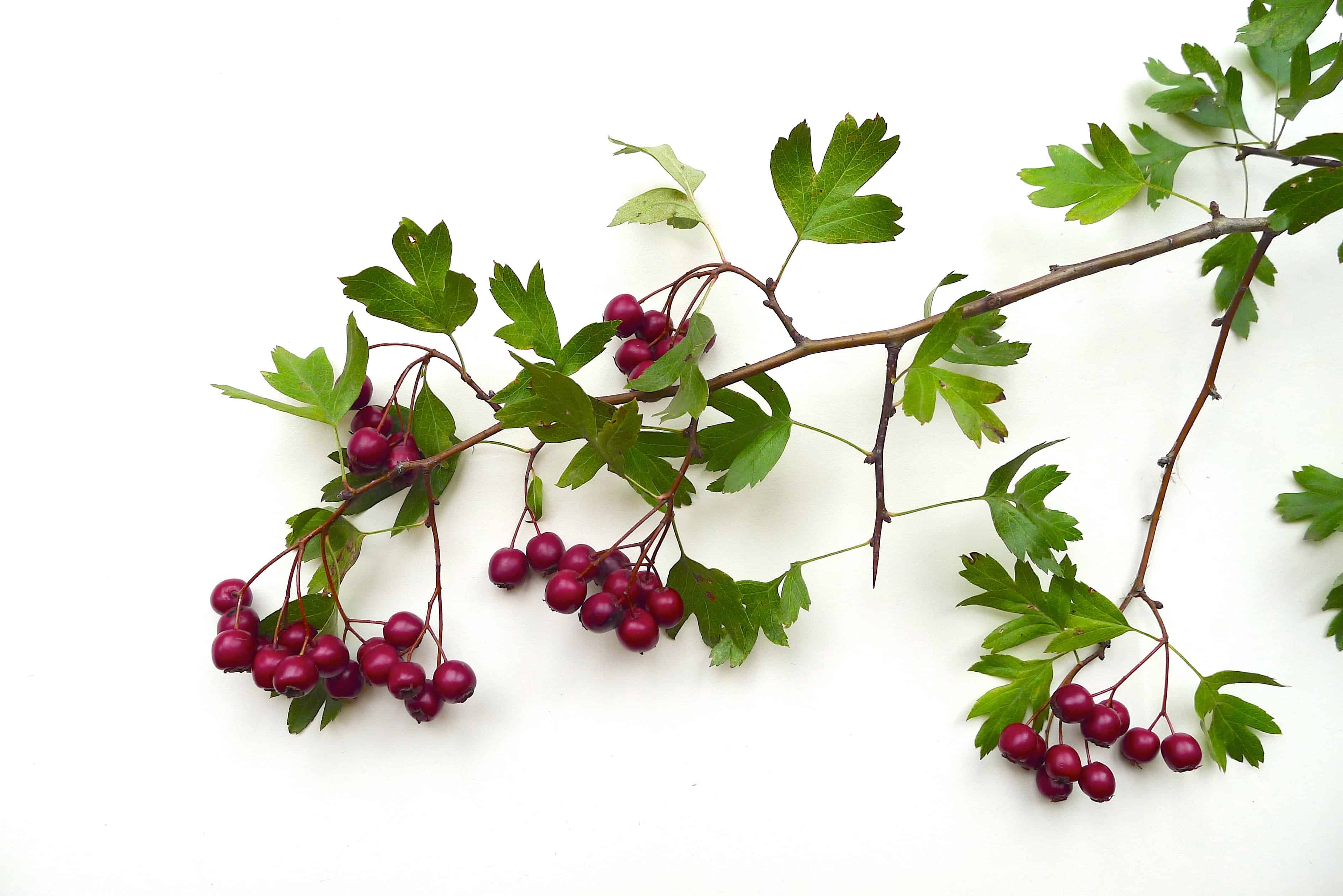
Hawthorn berries are small fruits that grow on trees and shrubs in the Crataegus genus.
The genus includes hundreds of species commonly distributed across Europe, North America, and Asia.
These nutrient-dense berries offer a tart, tangy flavor with a gentle sweetness. Their color varies from yellow to deep red.
For centuries, hawthorn berry has been used as an herbal remedy for digestive complaints, heart conditions, and elevated blood pressure. The berry has been part of traditional Chinese medicine since at least 659 A.D.
Below are several possible health benefits of hawthorn berry.
High in antioxidants
Hawthorn berry is a concentrated source of polyphenols — potent antioxidant compounds present in plants.
Antioxidants neutralize unstable molecules known as free radicals, which can damage tissues when present in excess.
Free radicals may originate from certain foods and also rise due to exposure to environmental pollutants like air pollution and cigarette smoke.
Polyphenols are linked to several health benefits because of their antioxidant effects, including a reduced risk of:
- certain cancers
- type 2 diabetes
- asthma
- some infections
- cardiovascular disease
Although animal and cell studies are encouraging, more human trials are necessary to determine how hawthorn berries influence disease risk.
May help lower blood pressure
In traditional Chinese medicine, hawthorn berry is frequently recommended to help manage high blood pressure.
A 2020 review reported that taking hawthorn as tablets or liquid drops lowered blood pressure in people with pre-hypertension or stage 1 hypertension, and the reviewers noted no serious adverse effects.
Still, additional studies are required to confirm these results. Also note that using an extract in supplement form is not identical to eating the fresh berries.
May improve blood cholesterol
Some research suggests hawthorn extract could improve cholesterol levels thanks to its flavonoids and pectin content. Pectin is a form of fiber involved in cholesterol regulation.
Unhealthy cholesterol patterns — particularly elevated triglycerides and low HDL (good) cholesterol — contribute to atherosclerosis, or plaque accumulation in blood vessels.
If plaque buildup progresses, it can obstruct a vessel completely, potentially causing a heart attack or stroke.
Studies indicate hawthorn extract may lower total and LDL (bad) cholesterol.
While promising, these findings need to be replicated in more human studies to clarify the extract’s impact on cholesterol.
Traditionally used to support digestion
Hawthorn berries and extracts have long been employed to relieve digestive complaints, especially indigestion and stomach discomfort.
The berries contain fiber, which can ease digestion by reducing constipation and serving as a prebiotic. Prebiotics feed and promote beneficial gut bacteria, which are essential for healthy digestion.
Easy ways to include it in your diet
Hawthorn berry can be hard to find at mainstream supermarkets, but you may locate it at farmers markets or specialty natural food shops.
You can incorporate hawthorn in several ways:
- Fresh berries. Raw hawthorn berries have a tart, mildly sweet flavor and make a convenient snack. Avoid eating the seeds — like apple seeds, they contain trace amounts of cyanide.
- Tea. Purchase premade hawthorn tea or brew your own using the dried berries, flowers, and leaves.
- Jams and desserts. In the southeastern United States, hawthorn is often made into jam, pie filling, and syrups.
- Supplements. Hawthorn is available in powders, capsules, or liquid extracts for convenient dosing.
Hawthorn supplements commonly include the berries together with leaves and flowers, though some preparations use only the latter parts.
Different brands and formulations recommend different doses.
Remember that the U.S. Food and Drug Administration (FDA) oversees dietary supplements like hawthorn under less stringent rules than prescription or over-the-counter drugs. So, purchase from trustworthy manufacturers.
Choose products that carry approval seals from independent testing organizations that evaluate supplement quality and potency, such as United States Pharmacopeia (USP), NSF International, or ConsumerLab.
Side effects and cautions
Not many side effects have been reported with hawthorn berry use. Reported effects are generally mild to moderate.
Commonly reported side effects include:
- excessive sweating
- headache
- drowsiness
- palpitations
- mild skin rash
- restlessness
Although these events are typically not life-threatening, consult a healthcare provider if you experience any of them.
Drug interactions
Using herbal remedies as alternatives or complements to conventional treatments has grown in popularity due to perceived benefits like fewer side effects and lower cost compared with modern therapies.
However, herbal use raises the possibility of herb-drug interactions that may modify the effects of prescription medications, potentially increasing, decreasing, or altering their action.
Research on potential interactions between hawthorn and conventional drugs suggests a possibly harmful interaction when hawthorn is taken alongside heart medications.
If you take cardiac medications, consult your healthcare provider before starting hawthorn supplements.
Bottom line
Because of its antioxidant content, hawthorn berry may offer several health benefits, particularly for lowering blood pressure and cholesterol and reducing inflammation.
Research suggests it may help decrease blood pressure and cholesterol and could aid in treating heart failure.
However, it may interact adversely with heart drugs. Talk with a healthcare professional before using hawthorn as a supplement.





















Leave a Reply
You must be logged in to post a comment.