

Probiotics might offer some advantages for individuals coping with psoriasis. You can obtain probiotics from foods or by using supplements.
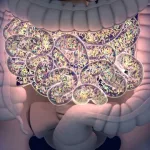
Probiotics are live microorganisms that benefit your health. Your body hosts trillions of them. Each person’s microbial community, known as the microbiome, is unique.
Since the 1990s, researchers have been investigating how gut microbes influence conditions such as psoriasis. Recent studies indicate that probiotic supplementation may help improve symptoms.
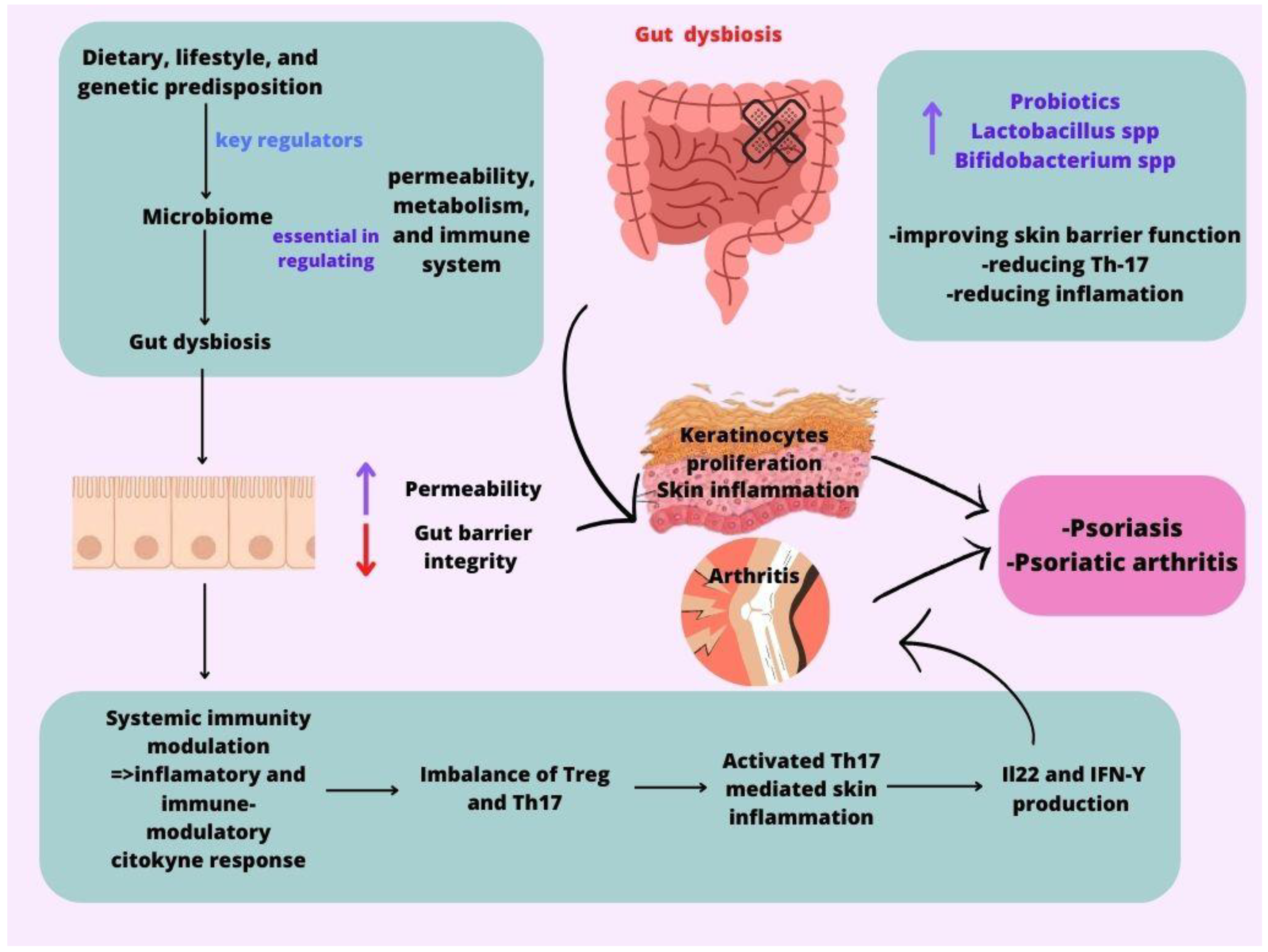
How probiotics may work for psoriasis
People with psoriasis often carry higher levels of inflammation-promoting bacteria in their gut. Introducing beneficial bacteria might help rebalance the intestinal microbial community.
That’s partly because probiotics can activate your body’s T cells. T cells play a key role in regulating the immune system and can help lower inflammation.
Research connecting microbes to psoriasis is relatively recent. Earlier work suggests probiotics can relieve symptoms for conditions such as:
- diarrhea
- irritable bowel syndrome (IBS)
- vaginal and urinary tract yeast infections
- rheumatoid arthritis
What have researchers found?
Certain gut microbes may provide benefits beyond the digestive tract. For people with psoriasis, this could translate into decreased skin inflammation.
A 2012 case report described probiotic therapy in a woman with pustular psoriasis that was unresponsive to standard treatments, prompting clinicians to try alternative approaches.
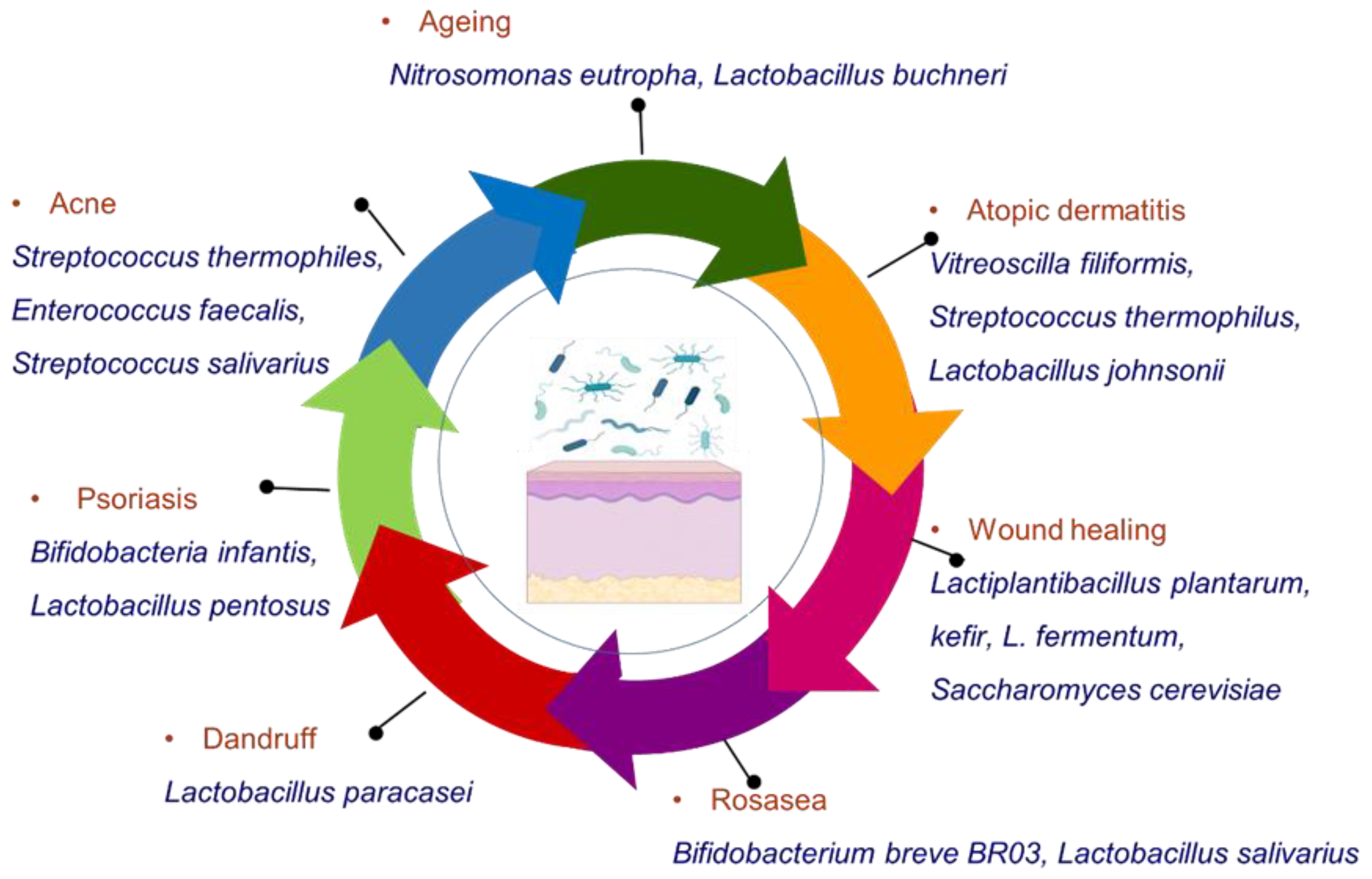
She received the probiotic Lactobacillus, commonly used in yogurt, cheese, and other fermented foods. Her lesions began to improve within two weeks.
A 2013 study evaluated the probiotic Bifidobacterium infantis 35624 in people with psoriasis and found that oral supplementation lowered inflammatory biomarkers.
While these findings are encouraging, the Food and Drug Administration (FDA) has not approved probiotics as a treatment for any disease. More studies are needed to determine which probiotic strains are most effective.
How to add probiotics to your routine
Incorporating probiotic-rich foods into your diet is an easy way to boost helpful bacteria. Probiotic strains are commonly present in:
- yogurt
- fermented cheeses, such as Gouda, cheddar, Swiss, and parmesan
- sourdough bread
- pickles
- acidophilus milk
You might also consider a probiotic supplement. If you opt for one, talk with your doctor so you can choose the right product and dose for your needs.
Be sure to mention any other prescriptions or supplements you’re taking.
For tailored recommendations, see options like best probiotic for men or consider age-appropriate choices such as probiotics for kids, if relevant to your household.
Conventional psoriasis treatments
Standard approaches for psoriasis vary based on how severe the flare is, where it appears on the body, and how well a person responds to specific therapies.
For mild to moderate episodes, treatment often begins with topical creams and ointments that may contain corticosteroids, coal tar, or vitamins A or D.
Some topical agents require a prescription, while others are available over the counter.
More severe cases may be managed with systemic medications, immune-suppressing drugs, or biologics.
Clinicians frequently combine these medications. Phototherapy and laser treatments can also be effective when used alongside other therapies.
When a flare occurs, note your overall condition at the time of onset, including any medicines you’re taking, foods or beverages you consumed, and activities you were engaged in.
This record can help identify possible triggers.
Known triggers include stress, smoking, and certain medications. Some people report heat, particular foods, fragrances, or chemicals as potential triggers as well.
What to do next
If you decide to include probiotics in your psoriasis care, keep a detailed log of the probiotic strains you try and any changes you notice. This will help you monitor progress and spot patterns.
Meanwhile, continue your current psoriasis plan: keep skin moisturized and clean, use recommended topical products, and take prescribed oral medicines as directed.
If you notice any concerning symptoms, contact your healthcare provider promptly.




















Leave a Reply
You must be logged in to post a comment.