
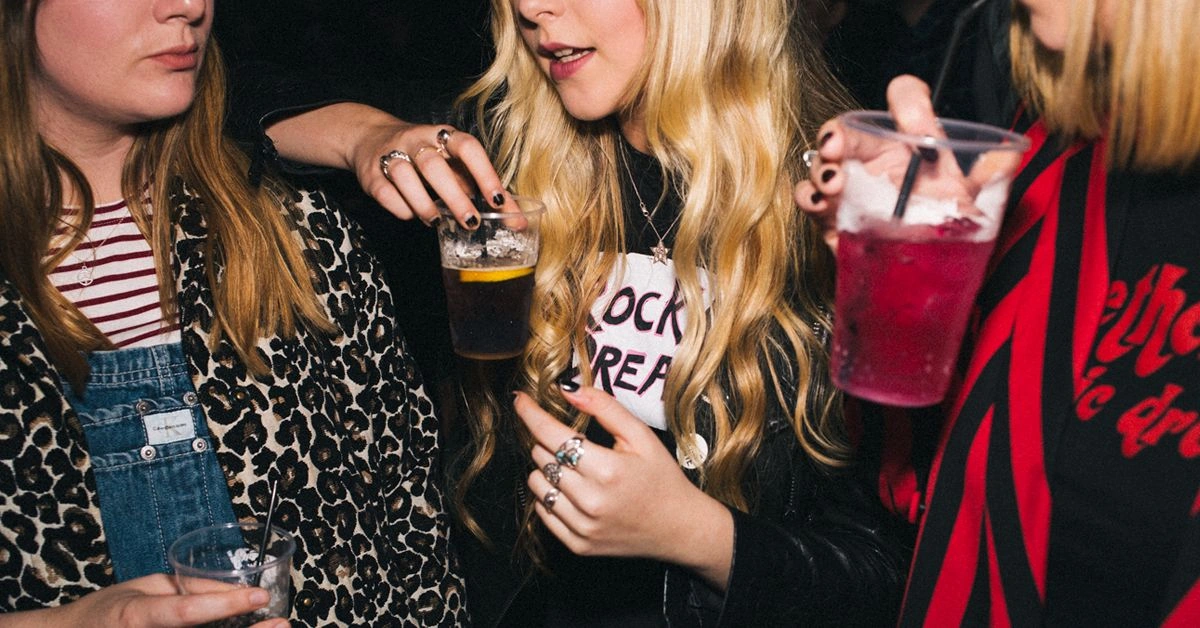
Combining alcohol with MDMA (commonly called molly) is a frequent practice. Many people believe using both prolongs the pleasurable effects.
However, these substances can interact in hazardous ways inside your body.
Continue reading to learn what occurs when alcohol and MDMA are used together.
What is MDMA (molly)?
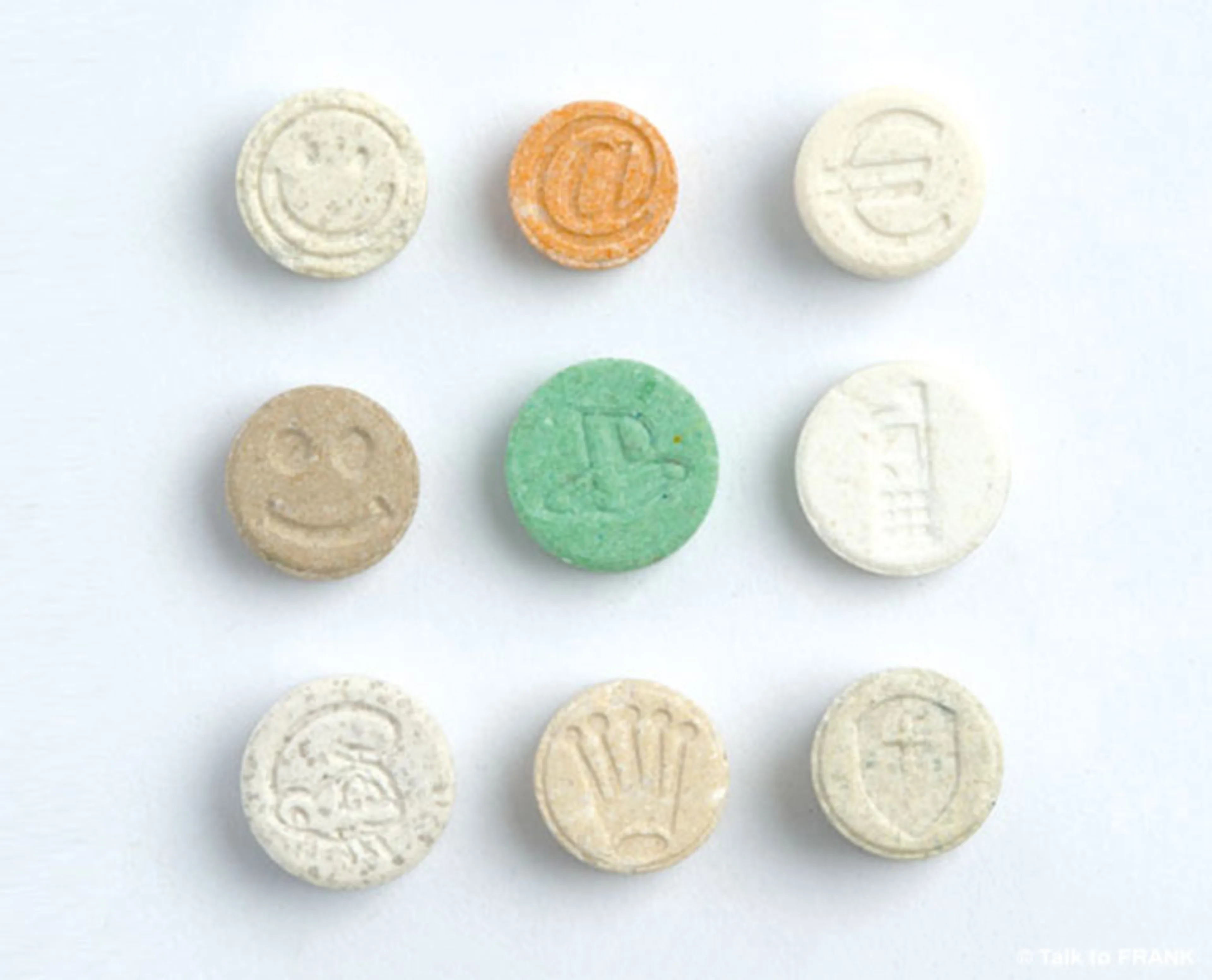
Methylenedioxymethamphetamine (MDMA), often referred to as molly or ecstasy, is a stimulant that also has mild hallucinogenic properties.
Street MDMA often contains other substances, and there’s no reliable method to know what additives are present. These substitute compounds can trigger severe reactions in some people.
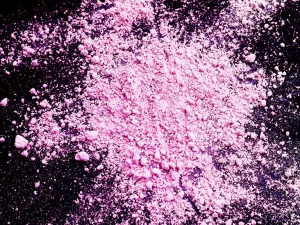
Molly generally appears as a powder often sold in capsule form, while ecstasy is usually found as colorful pills. Other street names include:
- Adam
- beans
- blue Superman
- chocolate chips
- clarity
- happy pill
- Scooby snacks
- skittle
- dancing shoes
- vitamin E
Effects of MDMA
MDMA boosts levels of three key brain chemicals: dopamine, serotonin, and norepinephrine. This produces feelings of euphoria and increased energy, along with other side effects.
MDMA begins to take effect in under an hour. Duration and reactions depend on whether other drugs are mixed into the batch and whether you’re also consuming alcohol.
Using MDMA with other substances can amplify stimulant effects, such as elevated:
- blood pressure
- heart rate
- body temperature
It can also lead to dehydration, a condition worsened by alcohol. More on that below.
Effects of alcohol
Alcohol acts as a depressant on the brain, producing effects that are at times opposite to those of MDMA.
It impairs thinking and judgment.
Nonetheless, high quantities of alcohol can also raise blood pressure and contribute to heart problems—effects that are intensified when MDMA is used as well.
What happens when you combine MDMA with alcohol?
Many people mix MDMA and alcohol hoping to extend the pleasurable sensations MDMA produces.
The issue is both substances are metabolized by the liver. Heavy drinking can slow MDMA elimination, causing the drug to accumulate. This buildup may result in stronger adverse effects or more serious complications.
Alcohol and MDMA together can increase dopamine and serotonin release in the brain. That may lead some individuals to consume more MDMA and drink more alcohol to sustain the sensations.
Both substances impair cognition and awareness. Taken together, this leads to problems with movement and coordination.
Tasks that are normally straightforward—such as driving—become more difficult and unsafe. For example, your ability to accurately judge distances may be compromised.
MDMA can also precipitate serotonin syndrome. Symptoms may include:
- confusion
- muscle spasms
- increased heart rate
- elevated blood pressure
Alcohol raises the likelihood of serotonin syndrome and can intensify its severity.
Increased harmful effects
Whether you suffer serious complications depends on:
- existing health conditions
- whether other substances were used with MDMA and alcohol
- the amount of alcohol consumed
Binge drinking while using MDMA can result in:
- higher blood pressure
- faster heart rate
- irregular heart rhythms
- depression
- confusion
- anxiety
- seizures
- altered mental status
- hallucinations
- increased risk of overdose from MDMA and alcohol
Binge drinking is generally defined as consuming four to five alcoholic drinks within about 2 hours.
Increased risk of organ damage and sudden death
MDMA and alcohol can harm the body in multiple ways.
Both may cause toxicity to some of the same critical organs, including the heart and brain. Combining them raises the chance of severe adverse events, organ injury, stroke, and sudden death.
Research indicates drinking alcohol with MDMA magnifies stress on the heart and can lead to cardiac toxicity.
MDMA elevates body temperature, which can trigger excessive sweating and at times dangerous overheating. It also constricts blood vessels and increases blood pressure and heart rate.
Binge drinking similarly produces high blood pressure, irregular heartbeats, and risk of stroke.
Drinking alcohol with MDMA accelerates dehydration because alcohol is a diuretic, causing more frequent urination. Alcohol also delays MDMA clearance from the body, heightening the risk of injury to the:
- heart
- liver
- kidneys
- brain
Risks during pregnancy
Use of alcohol or MDMA during pregnancy presents dangers to both mother and fetus.
MDMA can increase cortisol levels, a hormone that may damage the developing nervous system of the baby.
One study reported that prenatal MDMA exposure was linked to slower cognitive and motor development during the first two years of life. Other earlier studies found prenatal MDMA exposure associated with cardiac and muscle-related issues in infants.
Long-term consequences of MDMA and alcohol exposure in pregnancy remain unclear, but avoiding substances during pregnancy is the safest option.
Precautions for MDMA use with drinking alcohol
MDMA frequently contains adulterants such as designer cathinones, caffeine, or amphetamines. Because of this variability, predicting the effects of combining MDMA and alcohol is very difficult.
Never drive after using MDMA, alcohol, or both. Your balance, coordination, and situational awareness will be impaired, making it harder to estimate distances and react safely.
symptoms of serious reaction to MDMA and AlcoholCall 911 if you notice any of the following signs or symptoms in you or someone else:signs of body overheating, including: excessive sweating cold or clammy skin nausea or vomiting fainting seizures dehydration disorientation high blood pressure rapid heartbeat
MDMA is illegal
MDMA has been used for decades and remains popular. It’s most often consumed by people aged 18 to 25.
This overlaps with an age group (ages 18 to 34) that commonly engages in binge drinking.
Despite its popularity, MDMA is illegal in the United States and classified as a Schedule I substance, meaning there are severe federal penalties for producing, selling, or possessing it.
Treatment for MDMA or alcohol overdose or addiction
The Food and Drug Administration (FDA) has not approved medications specifically for treating MDMA overdose or MDMA addiction.
Instead, emergency supportive care addresses immediate critical symptoms, including:
- cooling measures to lower body temperature
- rehydration with fluids
- medications aimed at treating symptoms such as high blood pressure, cardiac issues, seizures, or severe anxiety
The risk of alcohol poisoning can rise when MDMA is used, since people may drink more to lessen MDMA withdrawal effects.
signs of alcohol overdoseSome serious symptoms of alcohol overdose can include:seizures pale, bluish skin tone unconsciousness unresponsive difficulty breathingCall 911 if you suspect someone is overdosing on alcohol or MDMA.
There are three FDA-approved medications for alcohol use disorder. Discuss with your healthcare provider whether any of these treatments may be appropriate for you.
Where to get help for substance use disorder today
If you or someone you know is struggling with substance use, the organizations below offer confidential, free assistance and treatment referrals:
If someone is in immediate crisis, call the National Suicide Prevention Lifeline at 800-273-TALK for 24/7 support.
Outlook for people who use MDMA and alcohol together
Combining alcohol with MDMA raises the chance of severe reactions and overdose.
MDMA generally begins to act within an hour and may last around six hours. Alcohol can delay MDMA clearance from the body. Research indicates co-use can cause liver and nervous system toxicity.
Frequent or heavy use of both substances can damage the liver, kidneys, heart, and other organs. The long-term effects of MDMA on the brain are still not fully understood.
The liver metabolizes alcohol into acetaldehyde (ACH). MDMA may contribute to accumulation of this metabolite, and high ACH levels raise the risk of cancer, liver injury, and other harms.
You may also be prone to drinking more while on MDMA, increasing the danger of alcohol poisoning.
Various treatment options exist for substance use disorders. Consult a healthcare professional to determine the most appropriate care for you.
The bottom line
Although many people drink alcohol and take MDMA together, doing so can be risky.
Your liver and kidneys are central to eliminating MDMA and alcohol from your body.
Using both substances simultaneously places extra strain on these organs and prolongs how long each stays in your system, raising the risk of adverse reactions or overdose.
MDMA often contains unknown additives. Mixing alcohol with these unverified components can produce unpredictable and potentially dangerous effects.
For more on how long substances can remain in the body, see how long does molly stay in your system.
















Leave a Reply
You must be logged in to post a comment.