
While tiny white flecks in your stool are often from undigested food, they can sometimes signal an internal infection or other medical issue.

Overview
White specks in stool may arise from a variety of causes, some harmless and others more serious. They might be merely undigested food fragments or the result of certain medications.
Your bowel movements can provide useful clues about your general health. It’s a good idea to notice any changes in your stool, including new white flecks. These pale particles can occasionally point to internal infections or conditions that might otherwise remain unnoticed until they progress.
Are there any other associated symptoms?
Other signs that accompany white specks in stool vary depending on the cause. The specks themselves can range from tiny grains to larger pieces, so observe both their size and shape.
Additional symptoms that can occur with white specks in stool include:
- weight loss
- diarrhea
- unusually foul-smelling stools
- bloating
- visible mucus
- abdominal pain
White specks are distinct from stools that are entirely white or very pale. Completely pale or chalky stools suggest different problems, often related to the biliary system — the liver, pancreas, or gallbladder.
If you have any of the following, get emergency medical care:
- severe abdominal pain
- diarrhea that persists beyond 24 hours
- rectal bleeding
- jaundice
What causes white specks in stool?
There are several possible causes for white specks in stool, spanning a range of seriousness.
Undigested food
A frequent explanation is undigested food. Certain foods that are harder to break down — such as quinoa, nuts, seeds, fibrous vegetables, and corn — can pass through the gut without fully digesting, leaving small pale flecks in the stool.
This is more likely if you don’t have other symptoms like diarrhea or abdominal discomfort.
Malabsorption
Malabsorption — insufficient absorption of nutrients — can also produce white specks in stool. In severe cases, stools may become larger and paler overall because of increased fat content. Causes can include:
- liver disease
- pancreatic insufficiency
- intestinal inflammation
Other signs of malabsorption include:
- diarrhea
- abdominal pain
- weight loss
- fatigue
Celiac disease
Celiac disease — an autoimmune reaction to gluten — can produce marked inflammation in the intestine and reduce its ability to absorb nutrients, leading to malabsorption. Typical symptoms include:
- diarrhea
- weight loss
- bloating
- fatigue
- abdominal pain
Medications
Some medicines can cause white specks in stool, particularly those in capsule form. Certain people can’t fully break down specific capsule coatings, and as a result, you may notice small white pellets in the stool.
Tell your doctor if you spot this. They can determine whether a different medication or formulation is appropriate. Also inform them if you develop fever, nausea, or abdominal pain.
Parasites
Various parasites may produce white flecks in stool. Tapeworm segments often look like large, white, flat patches on stool, sometimes about the size of a postage stamp. Possible symptoms include:
- nausea
- weakness
- diarrhea
- abdominal pain
- weight loss
- fatigue
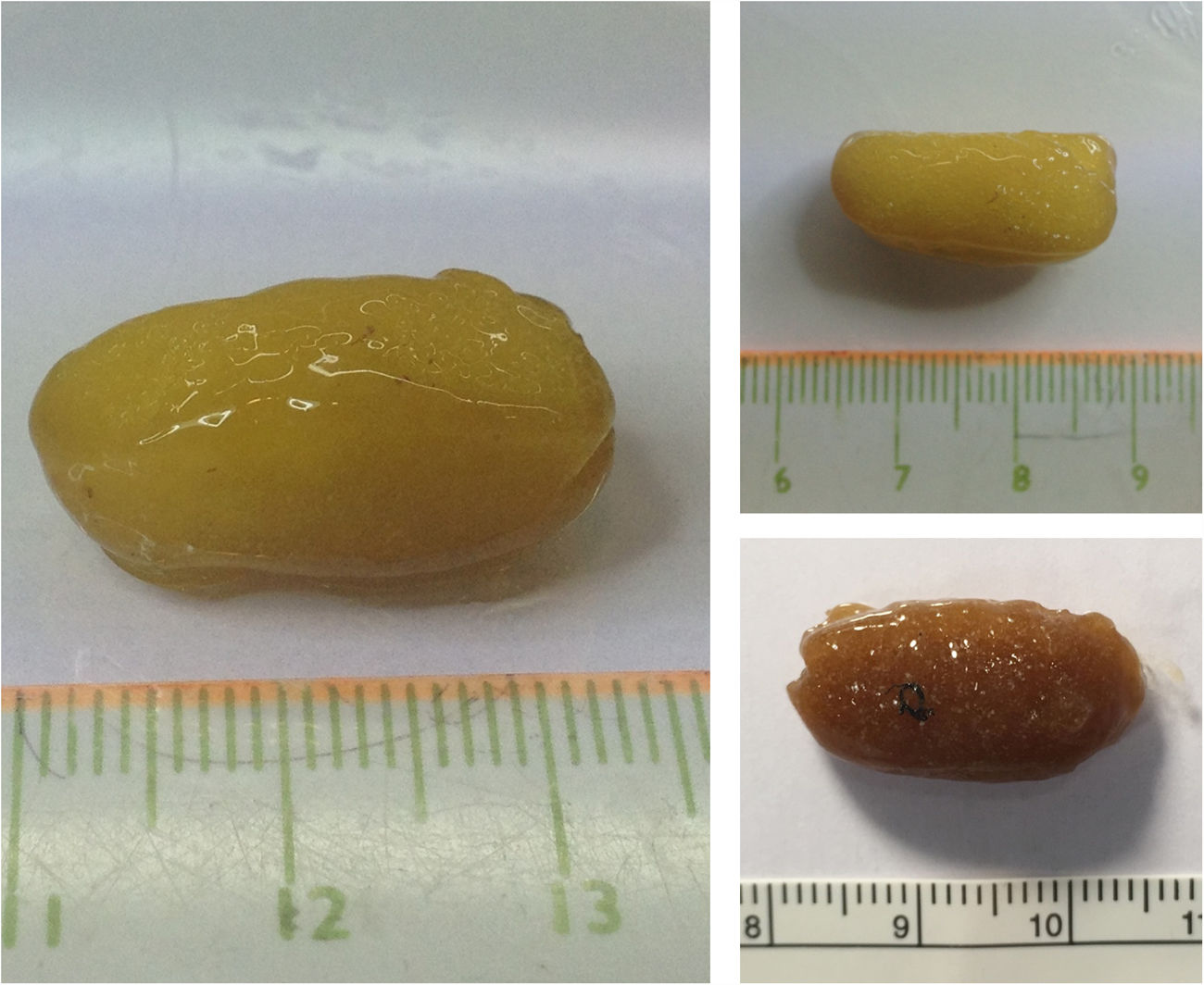
Pinworms are tiny and white and deposit eggs around the anus. They can sometimes be visible in stool. Symptoms include intense itching, rash, and anal discomfort; heavy infestations may also cause abdominal pain.
Fungal infections
Small white clumps on stool could also reflect fungal overgrowth such as Candida. This is more likely if you have a history of chronic Candida infections or if your immune system is weakened by conditions like AIDS or treatments like chemotherapy.
Diagnosing the underlying cause
When you report white specks in stool to your clinician, they’ll ask about other symptoms such as constipation, diarrhea, abdominal pain, or fatigue. Depending on their suspicions, they may order several tests.
A stool analysis is almost always part of the evaluation. For this, you provide a stool sample to the lab so it can be examined for blood, fungi, parasites, and other abnormalities.
Other possible tests include:
- Complete blood count (CBC). A blood sample is taken to assess your blood counts. This helps detect anemia and may indicate infection.
- Blood tests and upper endoscopy. These help evaluate for celiac disease; a biopsy of the small intestine is required to confirm the diagnosis.
- Ultrasound or CT scan. Imaging studies can assess the gallbladder and liver for structural or functional problems.
Treating the underlying cause
Treatment depends entirely on the root cause of the white specks.
Undigested food usually improves with a modest dietary adjustment, often resolving within a few days.
The specific cause of malabsorption must be addressed directly. For celiac disease, treatment requires strict adherence to a gluten-free diet — even a single “cheat” can provoke significant intestinal inflammation.
If liver, pancreatic, or gallbladder problems are involved, therapy will focus on improving the function of those organs.
If a medication is responsible, your clinician may change the drug or its formulation. For example, instead of a capsule you might receive a liquid, an injectable, or a sublingual option that dissolves beneath the tongue.
Parasite infections are treated with oral antiparasitic medications to eradicate them. You’ll also need to decontaminate your home. To eliminate parasites from your environment:
- Wash all bedding, towels, and clothing in hot water and dry on high heat.
- Thoroughly clean household surfaces, especially toilet seats.
- Practice frequent, thorough handwashing.
Are there any complications?
White specks in stool are a sign of an underlying issue, even if that issue is minor.
Potential serious complications include:
- Parasite-related problems. These can produce severe abdominal pain, weakness, and nutrient deficiencies.
- Bile buildup. This may suggest liver disease; progressive liver damage can lead to cirrhosis and its complications.
- Celiac disease and malabsorption consequences. These include chronic diarrhea, abdominal pain, and significant nutrient deficiencies.
- Systemic infections. Untreated fungal infections can spread and affect the blood, brain, heart, eyes, and other vital organs, which can be life-threatening.
Can white specks in stool be prevented?
Ways to lower the chance of white specks in stool include:
- Maintain a balanced diet. Eating a variety of nutritious foods helps minimize undigested food particles.
- Consider non-capsule forms of medications. These may be easier for you to digest.
- Keep up good hygiene. Regular handwashing and short nails help prevent parasite spread.
- Avoid excessive alcohol. Heavy drinking can harm the biliary system.
- Follow a gluten-free diet if you have celiac disease.
- Limit sugar intake if you’re prone to Candida; treat any external yeast infections promptly.
- Learn more about white gums and how oral health can reflect overall well-being.
What’s the outlook?
In many instances, white specks in stool are not worrisome. Undigested food is a common cause and typically clears up within a few days after dietary changes.
Still, it’s wise to consult your doctor about any unusual stool changes so they can confirm that your digestive system is healthy. If treatment is required, your provider will recommend the appropriate approach.




















Leave a Reply
You must be logged in to post a comment.