


Your skin contains thousands of sebaceous glands. These glands produce sebum, an oily substance that helps keep your skin moisturized and protected from environmental damage.
However, when sebaceous glands become overactive, they can generate excessive oil. This overproduction may leave your complexion looking shiny and can raise your likelihood of developing acne.
If you notice that your T-zone tends to look greasy or break out more frequently, you’re certainly not alone. The T-zone is particularly susceptible to oil buildup and clogged pores, which is why many people search for practical ways to reduce shine and prevent blemishes in this area.
Along with a consistent skin care routine, sun protection is also essential—especially if you’re wondering about topics like Can you use body sunscreen on your face for acne. Choosing the right noncomedogenic SPF can help protect acne-prone skin without worsening oiliness. In this guide, we’ll explore habits and treatments that may help minimize breakouts and excess shine in your T-zone while supporting overall skin health.

What’s a T-zone?
Your T-zone refers to the central area of your face, including your:
- forehead
- nose
- chin
When these features are viewed together, they form a “T” shape—hence the name T-zone.

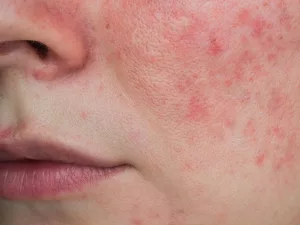
This region typically contains a higher concentration of oil glands compared to other parts of your face. As a result, it often appears shinier and is more vulnerable to acne breakouts.
Acne commonly forms when surplus sebum combines with dead skin cells, clogging pores and leading to whiteheads and blackheads. As oil accumulates within blocked pores, bacteria can multiply and trigger inflamed blemishes such as:
- pustules
- papules
- cysts
Because this area is so oil-prone, maintaining balanced hydration and using targeted treatments can make a meaningful difference in both prevention and appearance.
How to deal with an oily T-zone
The goal when caring for your T-zone is to eliminate excess oil without stripping your skin of necessary moisture. When your skin becomes too dry, sebaceous glands may compensate by producing even more sebum. With consistent care, you can reduce shine and decrease acne flare-ups.
If you’re also considering daily sun protection, you might be asking, Can you use body sunscreen on your face for acne prone skin? While some body sunscreens may be safe, facial skin—especially acne-prone areas—often benefits from lightweight, oil-free, noncomedogenic formulations designed specifically for the face.
Below are seven practical strategies to help manage an oily or acne-prone T-zone effectively.
1. Wash your face every day
One of the most effective ways to control excess oil in the T-zone is to cleanse your face regularly. Washing removes surplus sebum, dirt, bacteria, and dead skin cells that can clog pores.
Consider cleansing at these times:
- in the morning after waking
- after exercise or heavy sweating
- in the evening before bedtime
Be gentle while cleansing, especially if you have active acne. Vigorous scrubbing can irritate your skin, worsen redness, and potentially increase oil production.
2. Use a mild cleanser
Selecting an appropriate cleanser is essential for oily and acne-prone skin. Look for products labeled:
- oil-free
- noncomedogenic (meaning it’s designed to not block your pores)
- foaming
Avoid harsh cleansers, particularly those containing alcohol. Alcohol-based products may overly dry the skin, triggering increased sebum production as your skin attempts to restore balance.
If you use sunscreen daily and are concerned about Can you use body sunscreen on your face for acne scars, proper cleansing at night becomes even more important to remove residue and prevent clogged pores.
3. Apply moisturizer daily
It may seem counterintuitive to moisturize oily skin, but hydration is crucial. When skin lacks moisture, it often compensates by producing more oil.
After cleansing, apply a moisturizer that is:
- oil-free
- noncomedogenic
- a gel formula if you have oily skin or live in a humid climate
- a lotion if you have normal or combination skin
You might choose a lightweight gel moisturizer for your T-zone and a lotion for drier areas of your face. Heavier creams are generally better suited for dry skin and may feel too occlusive on oil-prone areas.
Using a moisturizer with built-in SPF can simplify your morning routine. If you’re evaluating options and wondering, Can you use body sunscreen on your face for acne prone skin types, remember that facial SPFs are typically formulated to reduce the risk of breakouts and excess shine.

You might choose a lightweight gel moisturizer for your T-zone and a lotion for drier areas of your face. Heavier creams are generally better suited for dry skin and may feel too occlusive on oil-prone areas.
Using a moisturizer with built-in SPF can simplify your morning routine. If you’re evaluating options and wondering, Can you use body sunscreen on your face for acne prone skin types, remember that facial SPFs are typically formulated to reduce the risk of breakouts and excess shine.
4. Use powder makeup
If you wear makeup, powder-based products may be preferable to creams or liquids, as powders tend to absorb excess oil more effectively.
Should you opt for cream or liquid formulations, select those labeled oil-free and noncomedogenic to help prevent clogged pores.
Applying a mattifying or finishing powder—especially to your T-zone—can also reduce shine throughout the day. These powders are often translucent, making them suitable for a wide range of skin tones.
Shop for finishing powder online.
5. Use blotting papers
Blotting papers are thin, absorbent sheets designed to lift excess oil from the skin’s surface. Gently pressing one against your T-zone can quickly minimize shine without disturbing makeup.
They’re convenient to carry in a purse or pocket, making them ideal for midday touch-ups.
To prevent spreading sebum to other areas, avoid dragging the paper across your skin. Instead, lightly press and lift.
Shop for blotting papers online.
6. Apply green tea
According to a 2017 research review, the polyphenols in green tea, when applied topically, may help reduce sebum production. Polyphenols are micronutrients rich in antioxidants that support skin health.
An earlier 2005 research review also suggested that green tea polyphenols may disrupt bacterial membranes, potentially limiting the bacterial growth associated with acne development.
You can apply green tea as a toner after cleansing or select skin care products that include green tea extract as a key ingredient.
Shop for green tea toner online.
7. Use cosmetic clay
A 2016 research review noted that the minerals found in cosmetic clay may assist in absorbing excess oil and improving acne and blackheads. Cosmetic clay is commonly used in facial masks for oil control.
Popular types of cosmetic clay include:
- kaolin clay
- green clay
- rhassoul clay
You can purchase ready-made clay masks or create your own using cosmetic clay powder.
To prepare and apply a clay mask:
- Cleanse your skin as usual and gently pat it dry.
- In a small bowl, combine 1 teaspoon of clay with filtered water until it forms a thick paste. Witch hazel or rose water can be used instead of filtered water if desired.
- Spread the mixture evenly over your face and allow it to dry completely.
- Rinse off with warm water and pat dry.
You may apply the mask solely to your T-zone if that’s where oiliness is most pronounced.
Shop for cosmetic clay online.
The bottom line
An oily T-zone is very common due to the higher density of sebaceous glands in this area. Consistent, gentle cleansing and daily moisturizing can help balance oil production and reduce unwanted shine.
Incorporating green tea products, finishing powders, blotting papers, and periodic clay masks may further assist in managing excess sebum and preventing acne breakouts. Additionally, selecting appropriate sun protection—especially if you’re considering whether Can you use body sunscreen on your face for acne prone skin—is an important step in protecting and maintaining clear skin.
If persistent oiliness or frequent acne breakouts continue despite these measures, consider consulting your doctor or a dermatologist for personalized guidance and treatment options.

















Leave a Reply
You must be logged in to post a comment.