

Lumps can develop beneath the skin for a wide variety of reasons, including cysts, swollen lymph nodes, or other growths. In many situations, a Rock hard lump under skin is not dangerous and does not need medical treatment. However, if you notice changes in size, texture, color, or discomfort, it’s important to consult a doctor for a proper evaluation.
Discovering a firm bump or growth under your skin can be unsettling. These lumps are relatively common and may appear suddenly or develop gradually over time. A Rock hard lump under skin can form for numerous underlying reasons, ranging from benign skin conditions to issues that require medical care.
Below, we explore the most frequent causes of hard skin lumps, how they are diagnosed, and when it’s advisable to have one examined by a healthcare professional.
Can a hard lump be nothing?
In many cases, a hard lump turns out to be harmless (benign). Certain characteristics—such as texture, mobility, tenderness, and growth pattern—can provide clues about what may be causing it and whether medical attention is necessary.
Benign lumps generally do not require treatment unless you prefer removal for cosmetic reasons or if complications like infection arise. Examples include:
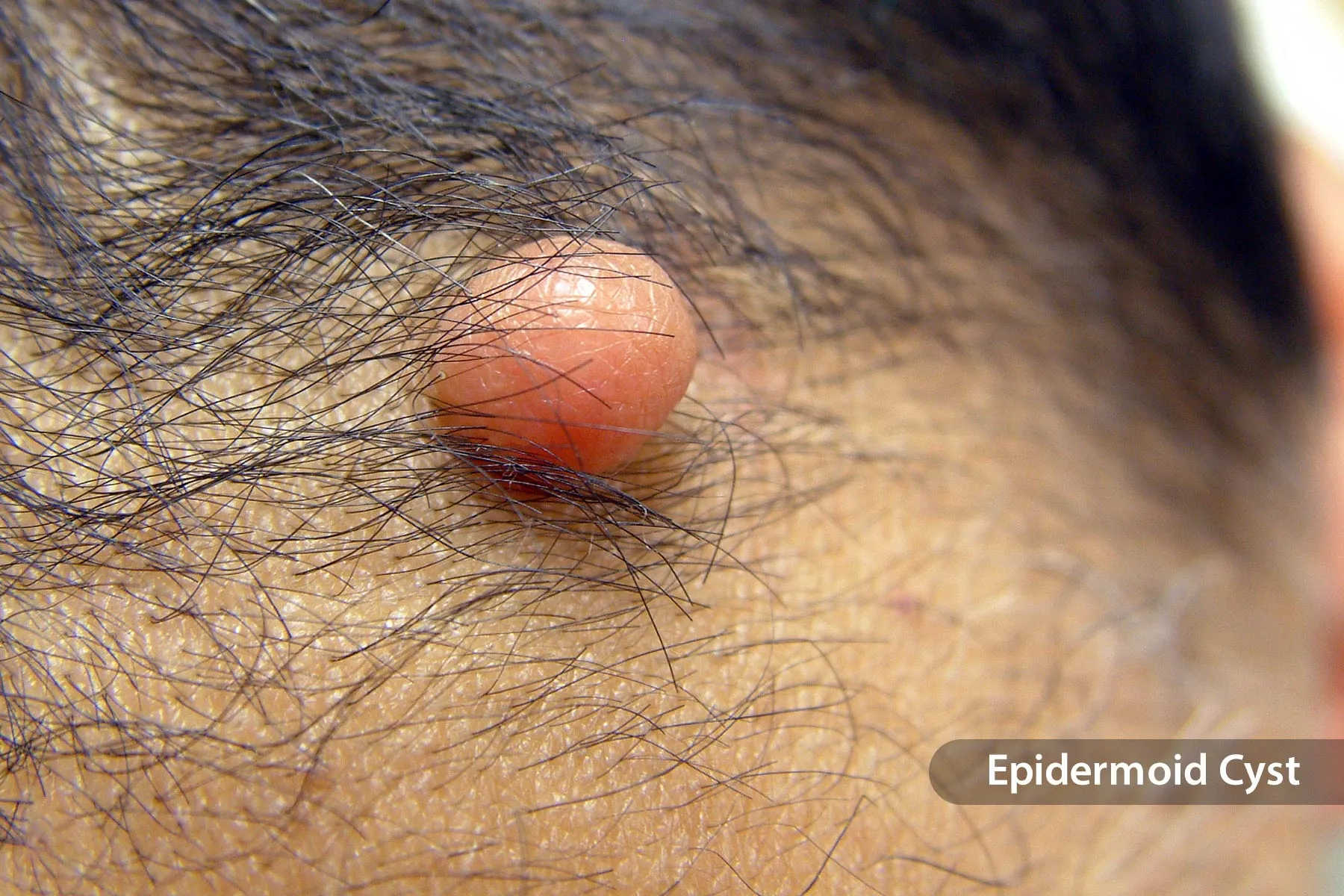
- Epidermoid cyst :These are twice as common in males and typically don’t develop before puberty. They form when skin cells multiply beneath the surface instead of shedding normally, leading to a slow-growing, firm bump.
- Lipoma: These are most common in adults 40 to 60 years of age. Although they usually don’t require treatment, they may be associated with a genetic condition such as Gardner’s syndrome in rare cases. Lipomas are composed of fatty tissue and often feel soft, though some may feel firmer depending on depth.
- Dermatofibroma: While this lump is benign, it can occasionally itch or feel tender. According to research, they are more common in females. They often develop after minor skin injuries like insect bites.
- Ganglion cyst : A ganglion cyst is a small, round, fluid-filled lump that develops beneath the skin’s surface, most commonly on the hands or wrists. The cyst is attached by a narrow stalk and may seem slightly movable. It’s typically harmless and tends to appear most often in people between 15 to 40 years of age.
While these conditions are non-cancerous, distinguishing them from more serious causes of a Rock hard lump under skin may require a professional assessment.
Causes of lumps that may require medical treatment include:
- Keratoacanthoma (KA): This skin tumor occurs more frequently on areas exposed to significant sunlight, such as the hands or face. It may grow rapidly over a short period and can resemble other types of skin cancer.
- Skin abscess:This is a round, pus-filled lump most commonly caused by bacterial infections. Abscesses are often painful, warm to the touch, and red. Treatment typically involves drainage and antibiotics to clear the infection.
- Swollen lymph nodes: Lymph nodes enlarge in response to infection as they filter and destroy harmful or damaged cells. Lymphocytes can cause swelling in the nodes as part of the immune response. Enlargement can also result from injury and, in some cases, cancer. Management depends entirely on the underlying cause.
- Hernia: This occurs when an internal organ or tissue pushes through a weak spot in surrounding muscle or connective tissue, creating a visible or palpable bulge. There are several types of hernias, and some may require surgical repair.
If you are uncertain whether your lump is benign, reviewing guidance on When to worry about a lump under skin can help you understand warning signs that should prompt medical attention.
Pictures
How are hard lumps diagnosed?
Healthcare professionals often begin by evaluating the lump’s location, size, consistency, and appearance. They may gently press on it to assess whether it moves under the skin or causes pain. These physical characteristics can help differentiate between a benign growth and something more concerning.
If there is uncertainty, or if the lump changes unexpectedly, your doctor may recommend removing part or all of it for laboratory testing through a biopsy. A biopsy allows specialists to examine tissue under a microscope to determine whether cancer cells are present.
In some cases, your doctor may also order imaging studies such as an MRI, CT scan, or ultrasound. These imaging techniques provide detailed internal views and are particularly helpful if the lump lies deeper beneath the skin or involves surrounding structures.
Understanding what cancerous growths may look like can also be informative. Reviewing resources such as Cancer lumps pictures may give visual context, though a clinical examination is always necessary for an accurate diagnosis.
When should I be concerned about a hard lump?
Most hard lumps are not dangerous and do not require medical treatment. However, it is wise to consult a healthcare professional, such as a dermatologist, if you notice a skin growth that change shape, color, or size.
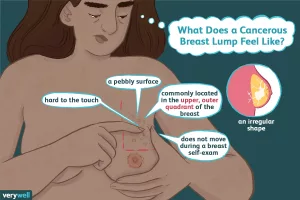
Typically, a non-cancerous lump feels soft and can shift slightly under the skin when pressed. If you detect a Rock hard lump under skin that feels fixed in place or unusually firm, it’s important to seek evaluation for a proper diagnosis. Keep in mind that cancerous lumps may also be soft, so texture alone cannot confirm whether a lump is benign or malignant.
You should also see a doctor promptly if the lump:
- bleeds or leaks
- causes pain
- grows larger
- becomes red or inflamed
- is accompanied by unintentional weight loss
Other warning signs can include persistent swelling, skin ulceration, or systemic symptoms such as fever or fatigue. Early assessment improves the likelihood of identifying the cause and initiating appropriate treatment if needed.
Takeaway
Lumps beneath the skin are very common and can arise from many different causes. In some cases, they resolve on their own without intervention.
It can be difficult to determine the exact cause of a lump without medical evaluation. Generally, soft and movable lumps tend to be harmless and may gradually improve over time. However, if you discover a Rock hard lump under skin, monitor it carefully for any changes in appearance or sensation.
When in doubt, schedule an appointment with a qualified healthcare professional. A timely examination provides reassurance and ensures that any necessary treatment begins as early as possible.



















Leave a Reply
You must be logged in to post a comment.