
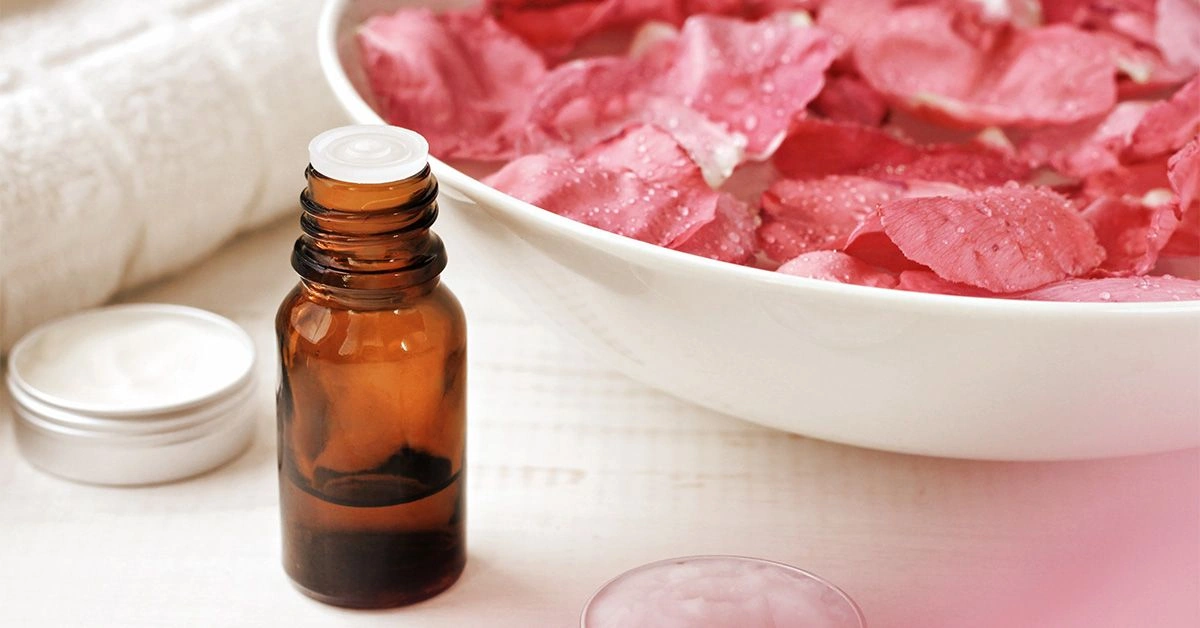
The application of rose water to hair hasn’t been the focus of extensive research. Still, rose water possesses properties that could be advantageous for both hair and scalp health.
- Rose water is a gentle astringent that may help control excess oil and reduce dandruff.
- It has anti-inflammatory effects, which could be helpful for certain scalp issues, such as psoriasis and eczema.
- The aroma of rose water is calming and comforting. While scent won’t directly change the appearance of your hair, the fragrance lingering in your hair may boost your mood. The smell may even ease headaches and decrease irritability.
- Many people with curly hair report that rose water helps tame frizz and enhance shine.
Ways to use rose water for your hair
You can purchase ready-made rose water or prepare it yourself. When buying, opt for products without added preservatives like ethanol.
Common uses for rose water on hair include:
- Pour it over your hair as a rinse after shampooing, or after both shampooing and conditioning. You can leave it in or rinse it out after a few hours or overnight.
- Mix some rose water into your regular shampoo or conditioner.
- Use a spray bottle to mist rose water onto your hair whenever you want to reduce frizz or add a pleasant scent.
- Apply rose water to the scalp using cotton pads. To lessen dandruff and itching, gently massage it into the scalp. Then shampoo and rinse as normal.

DIY rose water recipe
To make rose water at home, start with about six fragrant roses. Many modern hybrids have been selected for size or color rather than scent, so smell them before using. You’ll also need distilled water.
- Gently pull the petals from the stems and rinse them under warm running water in a colander.
- Put the rose petals into a large pot and cover them with the distilled water.
- Place a lid on the pot.
- Simmer the petals over medium heat for roughly 20 minutes or until the petals lose their color.
- Strain out and discard the petals from the rose water.
- Keep the rose water in one large or several smaller glass jars in a cool spot away from direct sunlight.
Tips
One of rose water’s most appreciated qualities is its fragrance. Try different rose varieties and combinations to discover the scents you prefer. There are hundreds of rose types and potentially thousands of hybrids to experiment with.
You can also enhance rose water by adding ingredients known to benefit hair, such as herbs like gotu kola, or a few drops of essential oils like lavender or rosemary.
Shop for lavender and rosemary essential oils online.
Other ideas
There are other homemade remedies that may offer similar hair benefits.
For instance, you can dilute apple cider vinegar with water and use it as a scalp rinse to help manage dandruff.
Alternatively, cooled rosemary tea can be used as a hair rinse to soothe the scalp and ease minor irritations.
Shop for apple cider vinegar and rosemary tea online.
Considerations
Rose water is generally safe for most people. However, if you are allergic to roses, avoid applying rose water to your hair.
If you suffer from severe dandruff or an intensely itchy scalp, there are clinically proven treatments — such as medicated dandruff shampoos — that may be more effective than, or used alongside, rose water.
About rose water
The growing of roses and the production of rose oil and rose water likely began thousands of years ago in ancient Persia, in the region now called Iran. Rose water may have been first produced by Avicenna, a Persian physician and alchemist from the 10th century.
As mentioned earlier, rose water is created by distilling rose petals with steam or boiling water. Typically, the most aromatic rose varieties are chosen for this, including Rosa canina (wild rose or dog rose), Rosa damascena (damask rose), and Rosa centifolia (cabbage rose).
The final product carries a delicate, pleasant fragrance and may offer cosmetic benefits for skin and hair.
















Leave a Reply
You must be logged in to post a comment.