

Sunflower seeds are a widely enjoyed food, often eaten on their own as a snack, scattered over meals, or mixed into baked recipes.
They are considered a nutritional powerhouse, delivering protein, healthy fats, fiber, along with an impressive array of vitamins and minerals.
Because they contain a notable amount of fat and calories, it’s natural to question whether they support or hinder weight loss efforts.
This guide explains how sunflower seeds may influence body weight and explores the broader context of Sunflower seeds benefits for female, particularly for women aiming to manage their weight in a healthy, sustainable way.

Highly nutritious
Sunflower seeds are rich in protein, beneficial fats, and dietary fiber (1).
Although exact nutrition can differ based on preparation and seasoning, 1 ounce (28 grams, or about 1/4 cup) of shelled, dry-roasted sunflower seeds provides approximately the following (1):
- Calories: 165
- Total fat:14 grams
- Monounsaturated fat:3 grams
- Polyunsaturated fat:9 grams
- Saturated fat:1.5 grams
- Carbs:7 grams
- Fiber: 3 grams
- Protein: 5.5 grams
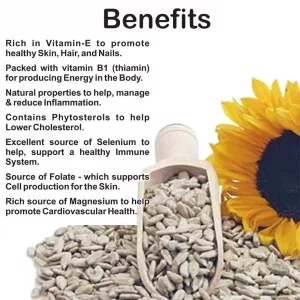
They also contribute 21 essential vitamins and minerals. Notably, a 1-ounce (28-gram) portion supplies 49% of the Daily Value (DV) for vitamin E and 41% of the DV for selenium (1).
Because of their fat content, sunflower seeds are energy-dense. However, most of their fat is unsaturated fat, which is considered heart-friendly.
Evidence indicates that replacing saturated fat with unsaturated fat may help decrease LDL (bad) cholesterol levels and lower the risk of heart disease (2, 3). This is especially relevant when evaluating Sunflower seeds benefits for female, as cardiovascular health is a key concern for women across different life stages.
SummaryThough calorie-dense, sunflower seeds supply substantial amounts of protein, healthy fat, fiber, vitamins, and minerals.
May aid weight loss
Although direct research on sunflower seeds and weight reduction is limited, the nutrients they contain may assist with weight management. They may enhance satiety, help preserve lean muscle mass, and make it easier to remain consistent with a calorie-controlled eating plan.
May keep you full and prevent overeating
Including snacks in your routine can curb hunger and potentially reduce overeating during later meals (4).
While sunflower seeds have not been examined specifically in this context, studies on comparable foods — such as nuts — suggest they promote fullness without causing excessive calorie intake later on (5, 6).
Their combination of fat, protein, and fiber is particularly satisfying (7).
Roughly one-third of the fiber in sunflower seeds is soluble fiber, which may support weight management by adding bulk to stools, slowing digestion, and enhancing feelings of fullness (8, 9). Improved satiety can be particularly beneficial for women navigating hormonal fluctuations that affect appetite, further highlighting Sunflower seeds benefits for female in practical dietary planning.
May help you maintain muscle
Research shows that individuals with a greater proportion of muscle mass burn more calories, even at rest (10).
During calorie restriction, studies suggest that more than 35% of lost weight can come from muscle tissue (11).
To minimize muscle loss, experts recommend consuming sufficient protein and engaging in resistance training (12, 13, 14).
Shelled sunflower seeds offer about 2 grams of protein per tablespoon (10 grams), making them an easy way to increase daily protein intake (1).
You might pair apple slices with sunflower seed butter or sprinkle shelled seeds over salads to enhance protein content while adding crunch and flavor.
May help you stick to your diet plan
A weight loss strategy is only effective if it is sustainable.
Fiber intake plays a meaningful role in adherence. Health authorities advise that women consume 25 grams of fiber daily, while men aim for 38 grams per day (15).
In a 6-month study of 345 individuals following a significantly calorie-restricted diet, participants who met recommended fiber levels were more likely to maintain their dietary regimen (16).
Furthermore, those who increased fiber intake the most experienced greater weight loss. On average, each additional 3.7 grams of daily fiber corresponded to 3 pounds (1.4 kg) of extra weight loss (16).
Research also indicates that flexible diet plans aligned with personal food preferences improve long-term compliance (17).
If sunflower seeds are a food you genuinely enjoy, incorporating them thoughtfully may help you maintain healthy eating habits over time. However, it’s also important to be aware of potential concerns, including Sunflower seeds side effects for female, particularly when consumed in large quantities.
SummaryThe protein, fat, and fiber in sunflower seeds may help support weight loss.
Adding sunflower seeds to your diet
Sunflower seeds can fit well into a balanced weight loss approach.
They are available shelled or unshelled, raw or roasted, and come in various flavors.
Here are several nutritious ways to include them:
- On their own. Enjoy a small handful — with or without shells — as a convenient snack.
- Trail mix. Combine shelled sunflower seeds with nuts, additional seeds, and dried fruit for a balanced mix.
- As a topping. Add shelled seeds to salads, oatmeal, yogurt parfaits, casseroles, or grain bowls.
- Sunflower seed butter. Spread it on whole grain bread or crackers, or use it as a dip for fruit slices.
Be aware that certain packaged varieties are high in sodium.
Although sodium is necessary for bodily function, excessive intake is associated with high blood pressure (18). Choosing unsalted or lightly salted options can help limit sodium consumption.
Flavored sunflower seeds may also contain added sugars. Since added sugars contribute calories without significant nutritional benefit, reducing them may support weight loss goals (19).
Additionally, sunflower seed butter and whole seeds are calorie-dense, with the butter providing nearly twice the calories per tablespoon (16 grams) compared to whole seeds (20). Paying attention to portion size can help you stay within your daily calorie target.
Women who are pregnant, breastfeeding, or managing hormone-related concerns should also review considerations such as Sunflower seeds side effects for female breast to ensure intake aligns with their individual health needs.
SummarySunflower seeds can be eaten alone, blended into trail mixes, used as sunflower seed butter, or sprinkled over a variety of dishes.
The bottom line
Although they are calorie-dense, sunflower seeds are packed with nutrients that may assist with weight management.
Their protein, fat, and fiber content promotes fullness, making them a smart snack option.
When consumed in appropriate portions, sunflower seeds can be incorporated into many wholesome meals and snacks.
Add them to trail mixes, use them as a nutrient-rich topping, spread sunflower seed butter on whole grains, or enjoy them as they are — all while keeping your overall calorie intake in mind.




















Leave a Reply
You must be logged in to post a comment.