Diet & Nutrition
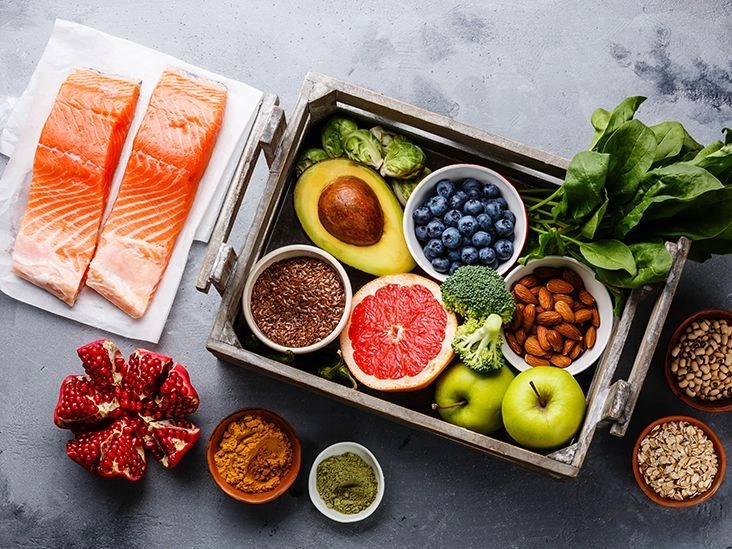
Diet & Nutrition focuses on healthy eating habits, meal planning, and the benefits of various nutrients, providing tips for maintaining a balanced diet and improving overall health.

What Is Seaweed Salad? Everything You Need to Know About This Popular Side Dish
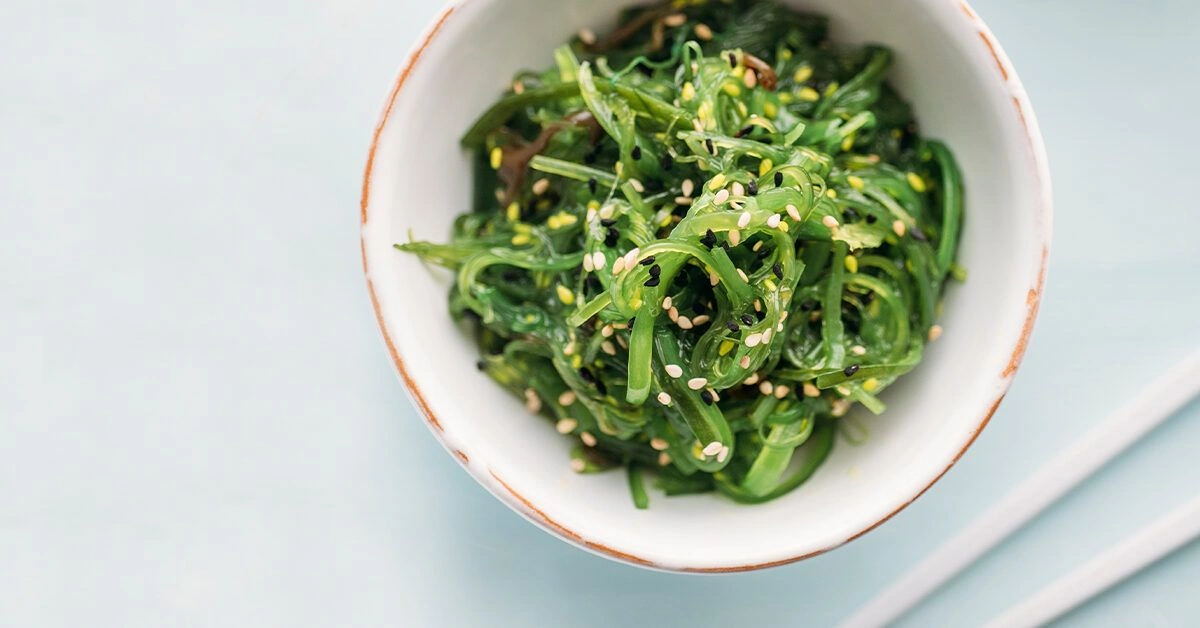
Seaweed salad is a common offering at many Japanese and Korean eateries. You’ve likely seen it at sushi spots, where its vivid neon-green hue is immediately noticeable. (img by Food.com) There are several variations of seaweed salad, but the most frequently served version is made from wakame — a nutrient-dense and adaptable seaweed. That said, lots of people claim the seaweed salad served in restaurants differs from homemade preparations. In…

Coke Zero vs. Diet Coke: What’s the Difference?
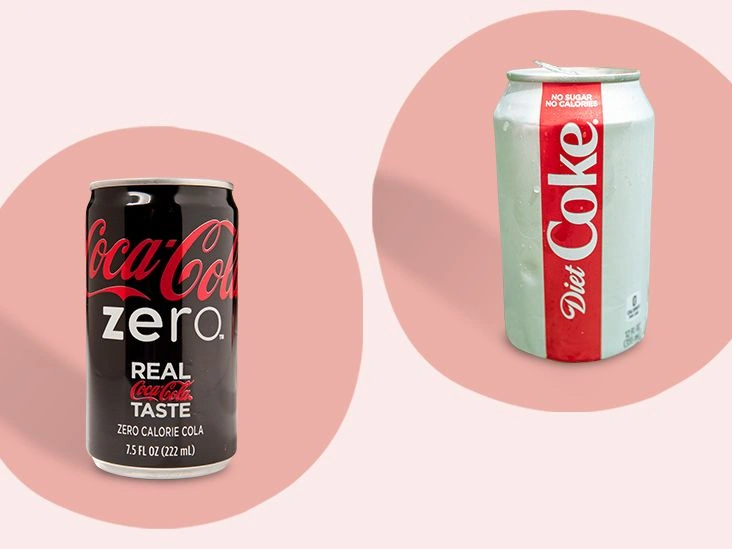
There’s not a huge gap between Coke Zero and Diet Coke. Both are options if you want to cut down on sugar, since they rely on non-nutritive sweeteners instead of sugar. You’ve probably heard that reducing added sugar in your diet is important for overall health. People who drink regular sodas often switch to beverages sweetened with artificial or zero-calorie sweeteners to lower their added-sugar intake. These substitutes give a…
Gelato vs. Ice Cream: What’s the Difference?
Ice cream tends to be lighter in texture and higher in fat, while gelato is creamier and more intensely flavored. Both are high in sugar, though gelato is traditionally made with less fat. On a hot summer day in the city, it’s common to see people digging into a cold, creamy confection. From a distance they may look similar, but ice cream and gelato are distinct creations. This article outlines…
Can You Microwave Plastic?
Plastic is a man-made or semi-synthetic substance known for being sturdy, lightweight, and pliable. Those qualities make it suitable for manufacturing a wide range of items, including medical equipment, car components, and everyday household products such as food storage tubs, drink bottles, and various dishware. Still, you might be curious about whether it’s safe to put plastic in the microwave to cook food, warm a beverage, or reheat leftovers. This…
How to Follow a Cutting Diet for Weight Loss
A cutting diet means figuring out your calorie, protein, fat, and carbohydrate requirements to lower body fat while preserving muscle. When combined with resistance training, it’s often used in the lead-up to major athletic events. Cutting represents the fat-reduction phase many bodybuilders and fitness fans adopt to become as lean as possible. Usually begun a few months before a key competition or training block, it’s a weight-loss eating plan designed…
What Is the Nutritional Value of Boba?
A typical boba beverage blends sweetened tea, natural or artificial flavorings, and a layer of tapioca “pearls” that bob around at the bottom of the cup. The tapioca resemble little bubbles as they rise up through the straw, hence the name “boba.” (img by Verywell Fit) This hugely popular drink first appeared in Taiwan in the 1980s. It spread across Asia during the 1990s, and more recently tea shops offering…
Peppermint Oil Uses and Benefits
Peppermint oil may ease symptoms of irritable bowel syndrome and other digestive disorders. Different preparations might also help manage pain and offer benefits for skin and hair. Although research points to potential health advantages, the FDA doesn’t oversee the purity or quality of essential oils. Consult a healthcare provider before beginning any essential-oil regimen, and investigate thequalityof the brand you choose. Always perform apatch testbefore using a new essential oil.…
Naan: Nutrition, Benefits, and More
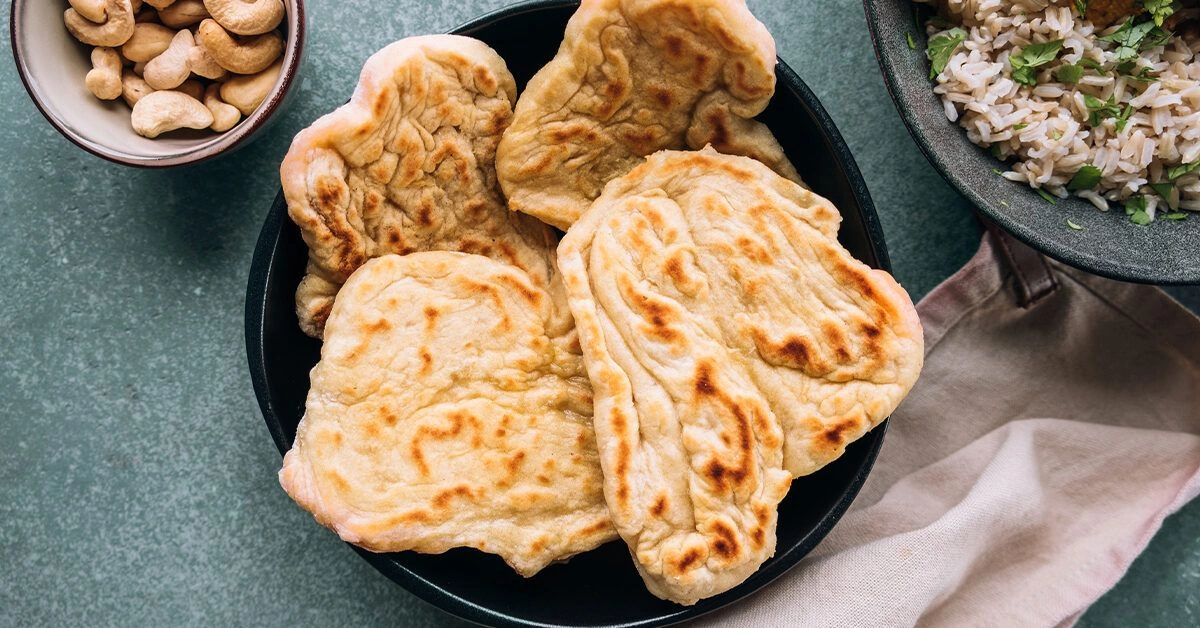
Naan is a carbohydrate-rich bread that may support healthy cholesterol and triglyceride profiles. Using whole wheat flour can also raise the fiber level in naan. Warm and fresh from the oven, naan can be a comforting option on a chilly evening. With a long history and straightforward method, naan continues to be a fixture in many culinary traditions. You’ll find it in restaurants or easily prepare it at home, served…
The Fat-Soluble Vitamins: A, D, E, and K
Vitamins are often categorized by how they dissolve. Fat-soluble vitamins are concentrated in high-fat foods and are absorbed far more effectively into the bloodstream when consumed alongside dietary fat. Most vitamins dissolve in water, but fat-soluble vitamins behave like oils and do not mix with water. The human diet contains four fat-soluble vitamins: vitamin A vitamin D vitamin E vitamin K This article offers an in-depth look at fat-soluble vitamins,…
How Many Calories Are in Your Favorite Sushi Rolls?
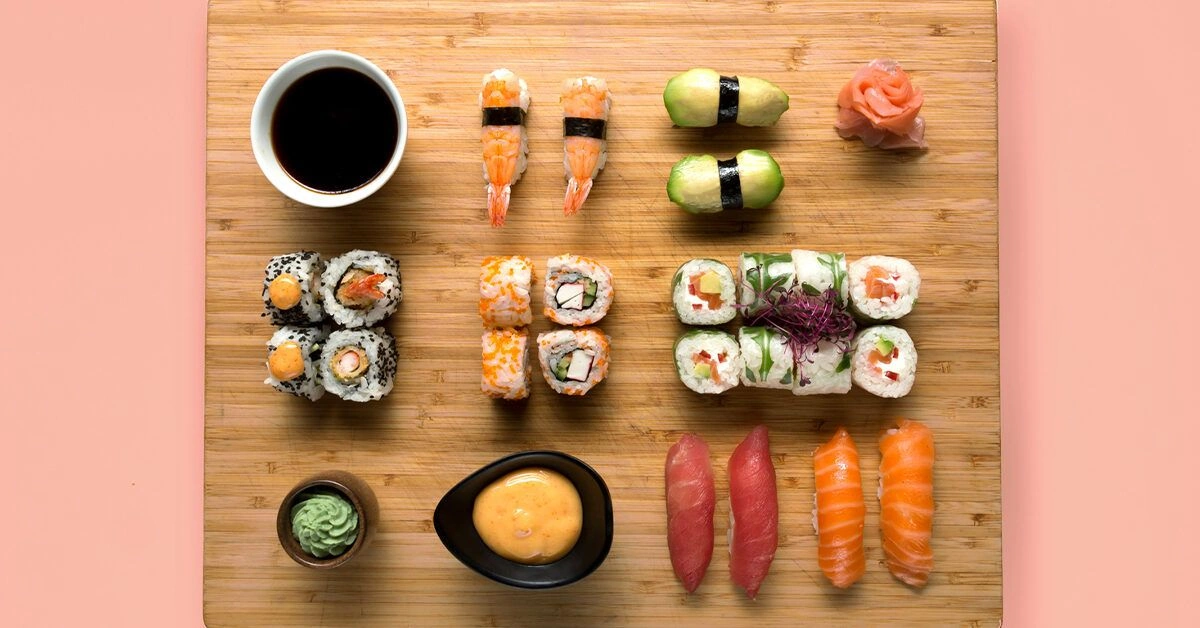
About 2–3 pieces of sushi usually contain between 93 and 190 calories, though the exact caloric value depends on the specific ingredients used. Sushi is a traditional Japanese meal that has gained widespread popularity in the United States and internationally (1). It’s frequently presented as a roll that yields 6–8 pieces depending on the style. The dish includes various cooked and raw seafood, vegetables, and rice, often wrapped in dried…