6 Foam Roller Exercises for Your Back

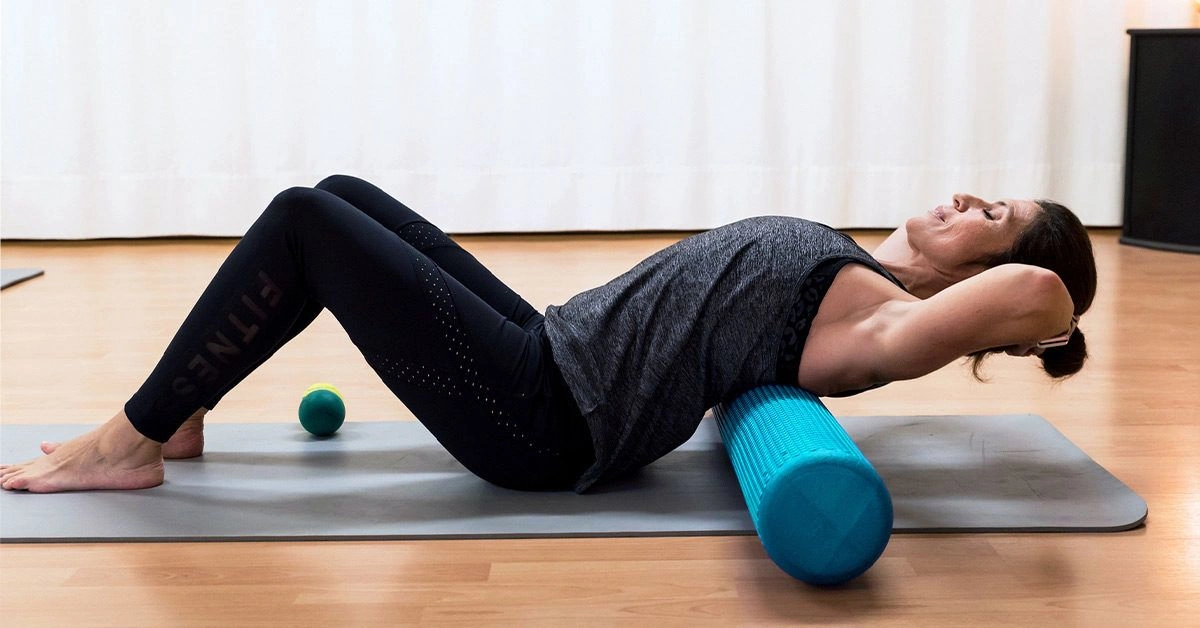

Foam rolling is an excellent tool to add to your self-care toolkit. This self-myofascial release method can safely and effectively reduce tightness, tension, and discomfort in your back.
You can pair these foam rolling moves with other recovery strategies, including massage, acupuncture, or contrast therapy using heat and cold.
Continue reading to find out more about foam rollers and six routines that can ease post-workout soreness, diminish morning aches, or help you unwind after a long day.
What is a foam roller?
A foam roller is a light foam cylinder used to give yourself a deep-tissue massage. Rolling helps break up muscle knots, calm inflammation, and boost overall comfort.
It can also expand your range of motion, flexibility, and mobility while increasing circulation and lymphatic drainage.
Types of foam rollers
Foam rollers come in various sizes and densities to produce different effects. Depending on your goals, try one or more of the following varieties:
- Soft, low-density rollers are gentle and ideal for beginners or those with heightened sensitivity.
- Firm, high-density rollers deliver more intense pressure.
- Textured rollers feature ridges, grids, or knobs for deeper muscle work.
- Travel rollers are compact, suited for arms and calves, and easy to take to the gym or office.
- Vibrating rollers offer adjustable settings to loosen muscles and break up knots while promoting circulation and flexibility.
- Heat- and cold-compatible rollers can be warmed or chilled to intensify relaxation and ease discomfort.
- Foam roller balls target pinpointed areas.
- Massage sticks (foam rolling sticks) apply focused pressure to specific spots.
Foam roller exercises
To ease back pain and stiffness, practice these moves three to four times weekly, even after symptoms improve. The goal is to prevent discomfort from becoming chronic.
If you have severe pain, wait until it has subsided before using a foam roller.
You can perform these routines on their own or around your workouts.
Ensure proper alignment on the roller and use a mat for cushioning. Move carefully when dismounting the roller, and rest up to 1 minute before repeating a move or switching to the next one.
1. Upper back
This position helps release tension in the upper back and counteracts poor posture from leaning forward, also encouraging alignment of your head, neck, and spine.
- Lie with the foam roller beneath your spine, supporting your head and tailbone.
- Bend your knees and set your feet flat on the floor.
- Extend your arms wide to the sides with palms facing up.
- Breathe deeply and relax into this pose for up to 1 minute.
- Repeat 3 times.

2. Spinal alignment
This move helps line up the spine while easing knots, tightness, and tension. It’s particularly helpful for people who sit for long stretches. Avoid rolling below your mid-back where the rib cage ends.
- Set the roller horizontally under your upper back, just below the shoulder blades.
- Bend your knees and press your feet into the floor.
- Interlace your fingers at the base of your skull and lean back.
- Slightly lift your hips to guide the roller up toward your shoulders.
- Pause on tender spots for at least 20 seconds.
- Work upward toward your shoulders, then back down to mid-back.
- Repeat 4 to 5 times.

3. Lats (sides of back)
This technique eases tension beneath the armpits and helps improve posture and upper-body mobility.
- Lie on your right side with the roller beneath your shoulder.
- Keep your right leg on the floor for support and push your left foot into the ground.
- Begin just below your armpit and slowly roll down toward your mid-back.
- Pause on any tender or tight spots.
- Continue for up to 1 minute, then switch sides.
- Repeat 2 to 3 times.

4. Low back
This drill helps ease lower back tightness; be careful not to overload this region.
- Lie on your back and place the roller horizontally beneath your lower back.
- Bend your knees and press your feet into the floor.
- Hug your knees toward your chest, holding behind your thighs or on your shins.
- Shift your weight slightly to the right so the left side of the lower back lifts off the roller.
- Hold briefly, then rock gently to the left.
- Continue shifting from side to side for up to 1 minute.
- Repeat 2 to 3 times.

5. Core
This exercise engages your core, which supports posture, stability, and alignment.
- Lie with the roller along your spine, supporting head and tailbone.
- Place your arms by your sides, knees bent, and feet pressing into the mat.
- Activate your abdominal muscles as you press your lower back into the roller.
- Lift your right hand and left knee toward the ceiling.
- Return to the starting position.
- Repeat on the opposite side — that completes one rep.
- Perform 1 to 3 sets of 8 to 16 reps.

6. Gluteus maximus
Releasing tension in the glutes helps free stiff legs and supports the strength and stability of your lower back.
Addressing the glutes can both loosen the legs and reinforce low-back stability.
- Sit on the roller so it rests beneath your sitting bones.
- Place your hands behind your hips for support.
- Bend your knees and set your feet flat on the floor.
- Cross your right ankle over the outside of your left knee.
- Place your left hand on your ankle or thigh and lean slightly to the right to feel a glute stretch.
- Roll side to side, concentrating on sore spots.
- Hold each tender area up to 30 seconds, then repeat on the other side.

Key takeaways
Foam rolling offers many advantages and is worth trying if you want to loosen tight muscles, reduce soreness, and promote relaxation.
The practice can help you align your body and move with greater ease. You might amplify relief by applying a menthol rub or essential oils around your routine, followed by a warm shower or bath.
Pay attention to your body and address symptoms promptly, noting which activities provoke discomfort. If your pain persists or worsens, consult a physician, physiotherapist, or osteopath. They can identify target muscles and suitable exercises and may suggest a particular foam roller type.
Also consider related issues such as back pain and dizziness when evaluating symptoms and treatment options.
Frequently Asked Questions
Roller Foam For Back refers to using a foam roller on your back to perform self-myofascial release, which can reduce muscle tightness, improve circulation, and increase flexibility.
Use a Roller Foam For Back routine 3–4 times per week for general maintenance; shorter daily sessions can help with acute tightness, but avoid overworking sore areas.
Foam rolling can relieve lower back tension if done carefully, but avoid aggressive rolling directly on the spine and stop if pain worsens. Consult a clinician for severe or persistent pain.
Beginners often prefer soft, low-density rollers; firmer or textured rollers provide deeper pressure for experienced users. Choose based on comfort and tolerance.
Pause and hold pressure on tender spots for about 20–30 seconds, breathing deeply, then slowly release and continue rolling. Repeat as needed but avoid causing sharp pain.





Related Posts
10 Back Exercises with Bands to Counteract Work-from-Home Posture
Sep 14, 2026 • 19 min read
Can You Eat Pumpkin or Pumpkin Seeds Raw?
Sep 1, 2026 • 28 min read
How to Use a Warm Eye Compress to Treat Styes and Other Conditions
Sep 9, 2026 • 24 min read
How Many Carbs Are in Various Types of Sausage?
Aug 5, 2026 • 11 min read
How to Use Vaginal Suppositories: A Step-by-Step Guide
Aug 19, 2026 • 33 min read